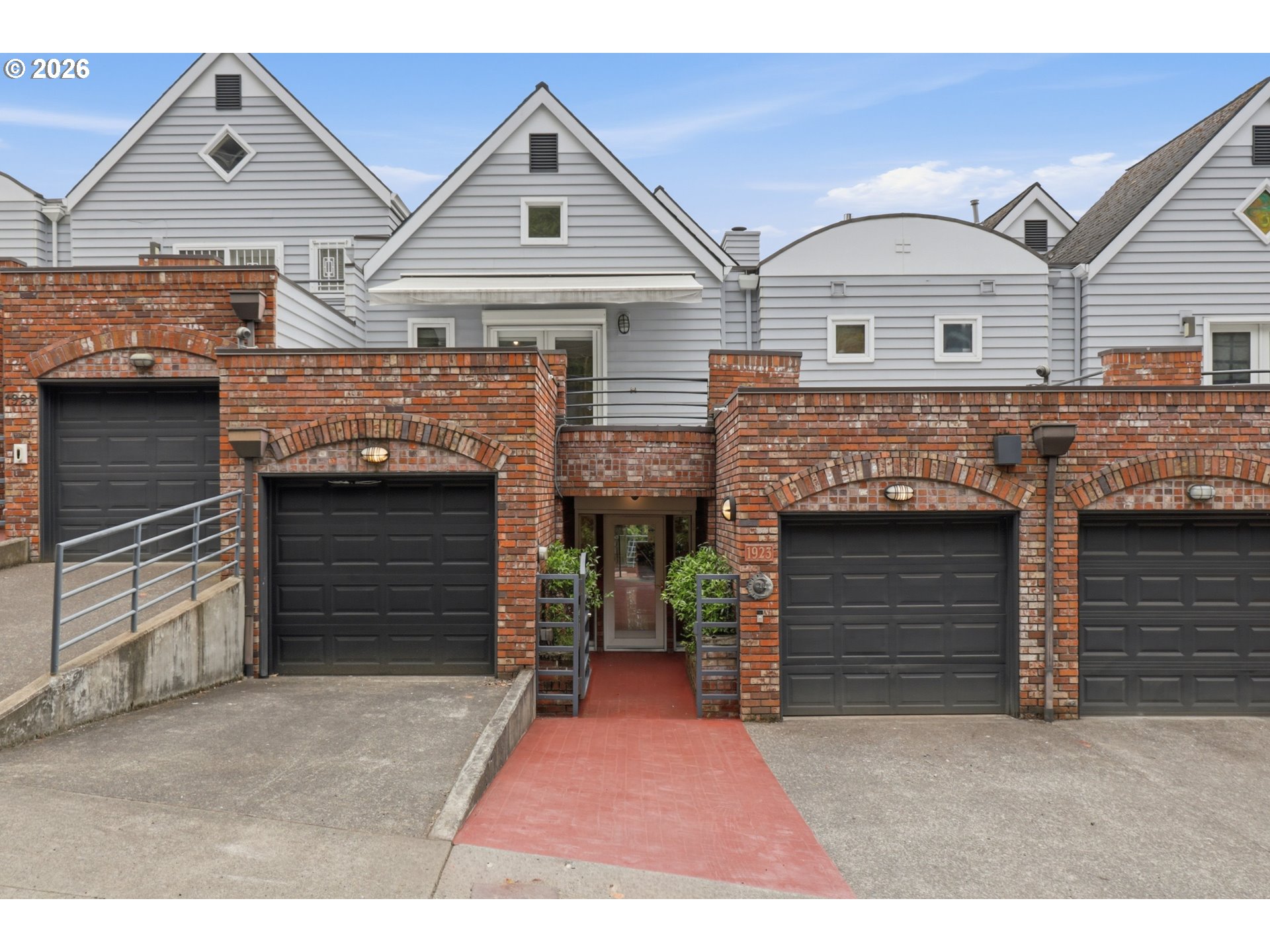
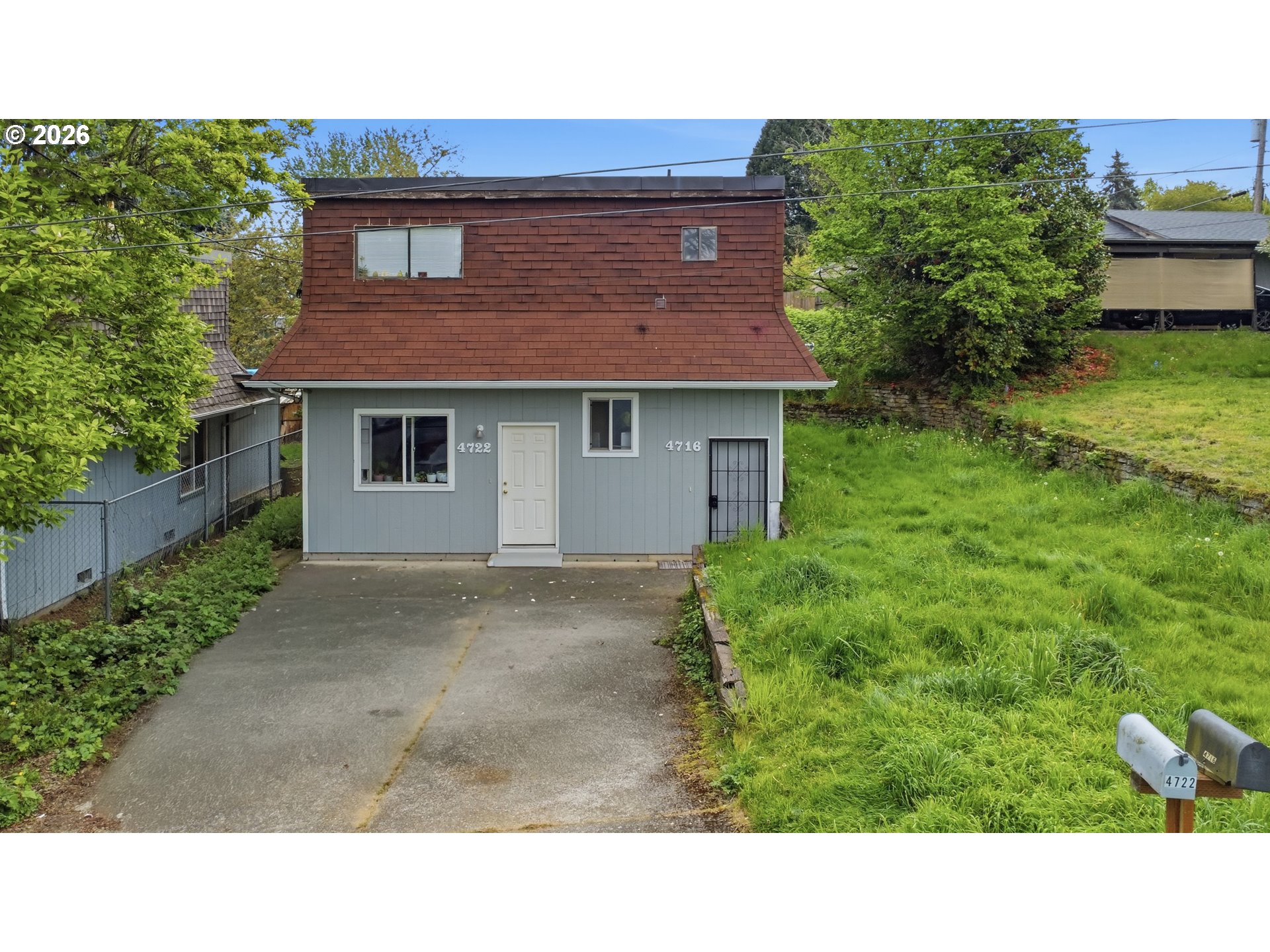
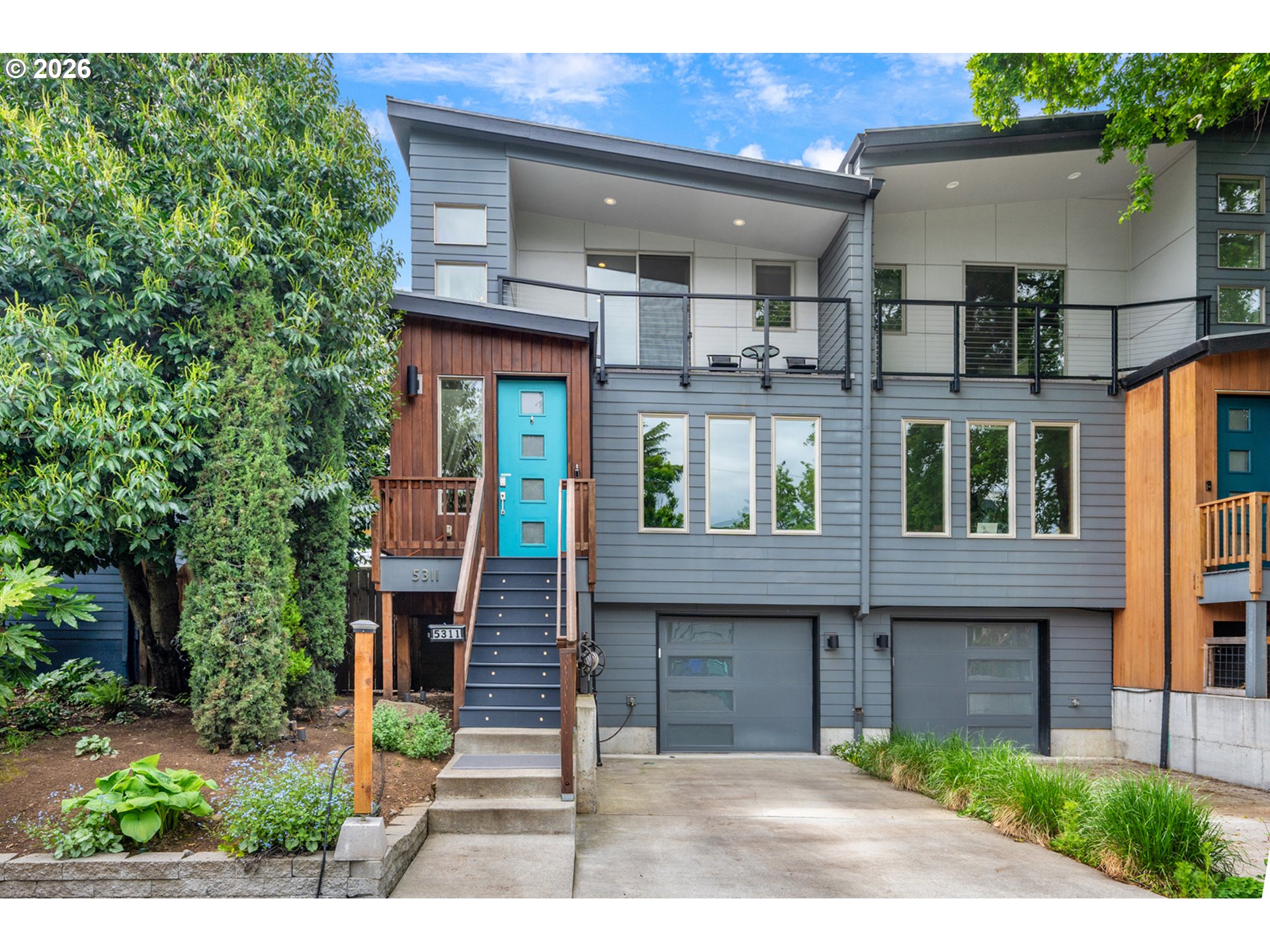
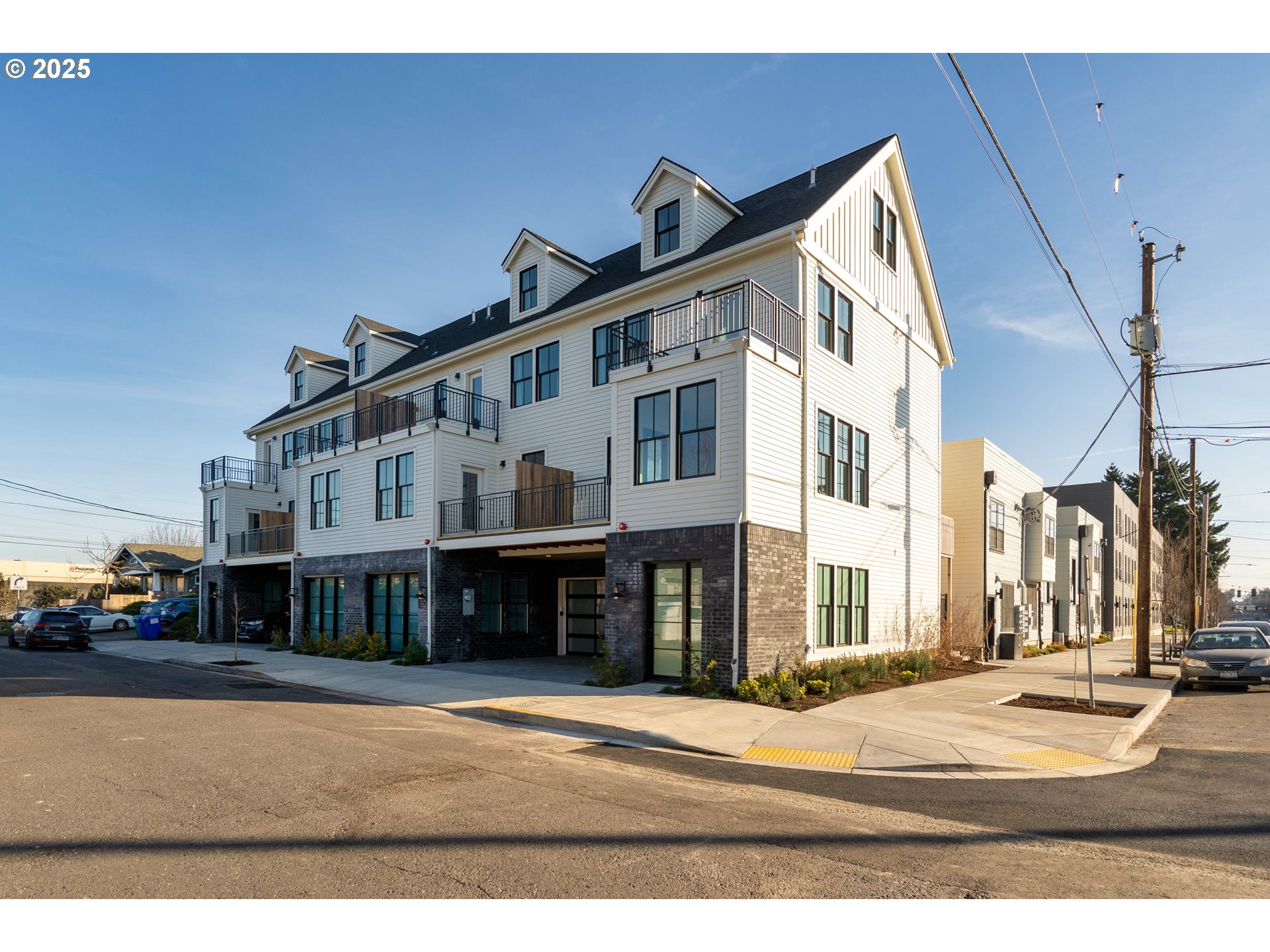
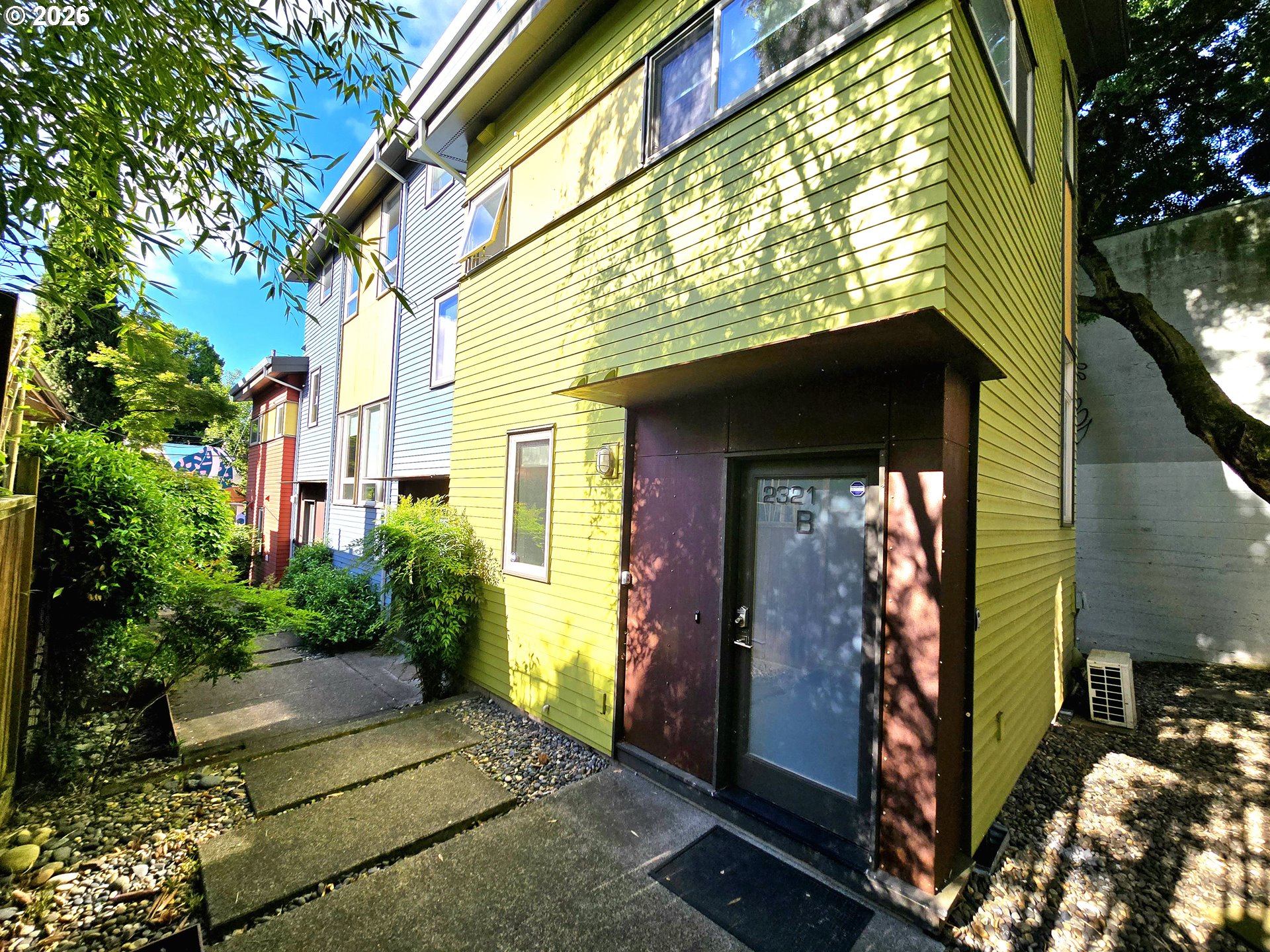
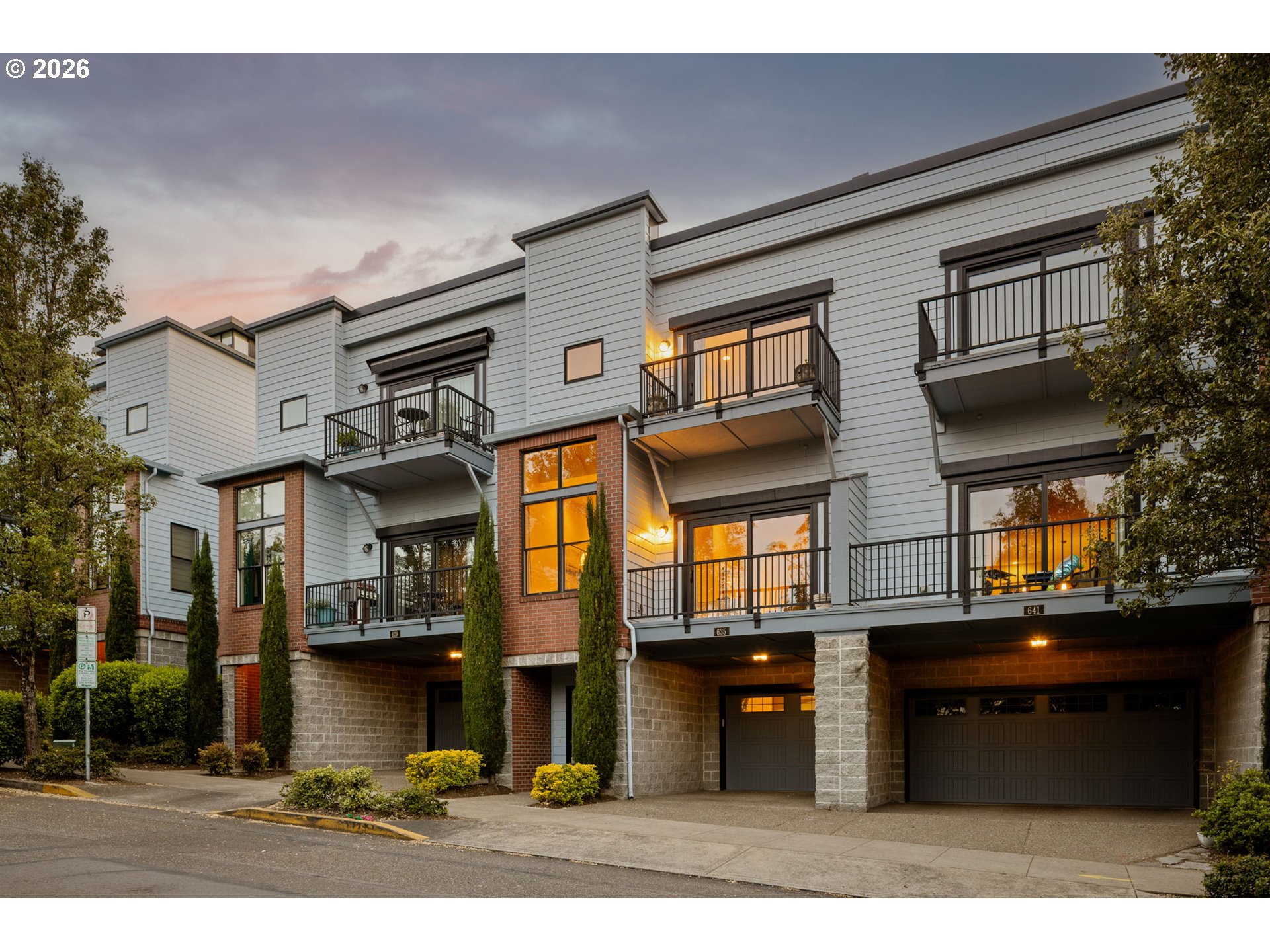
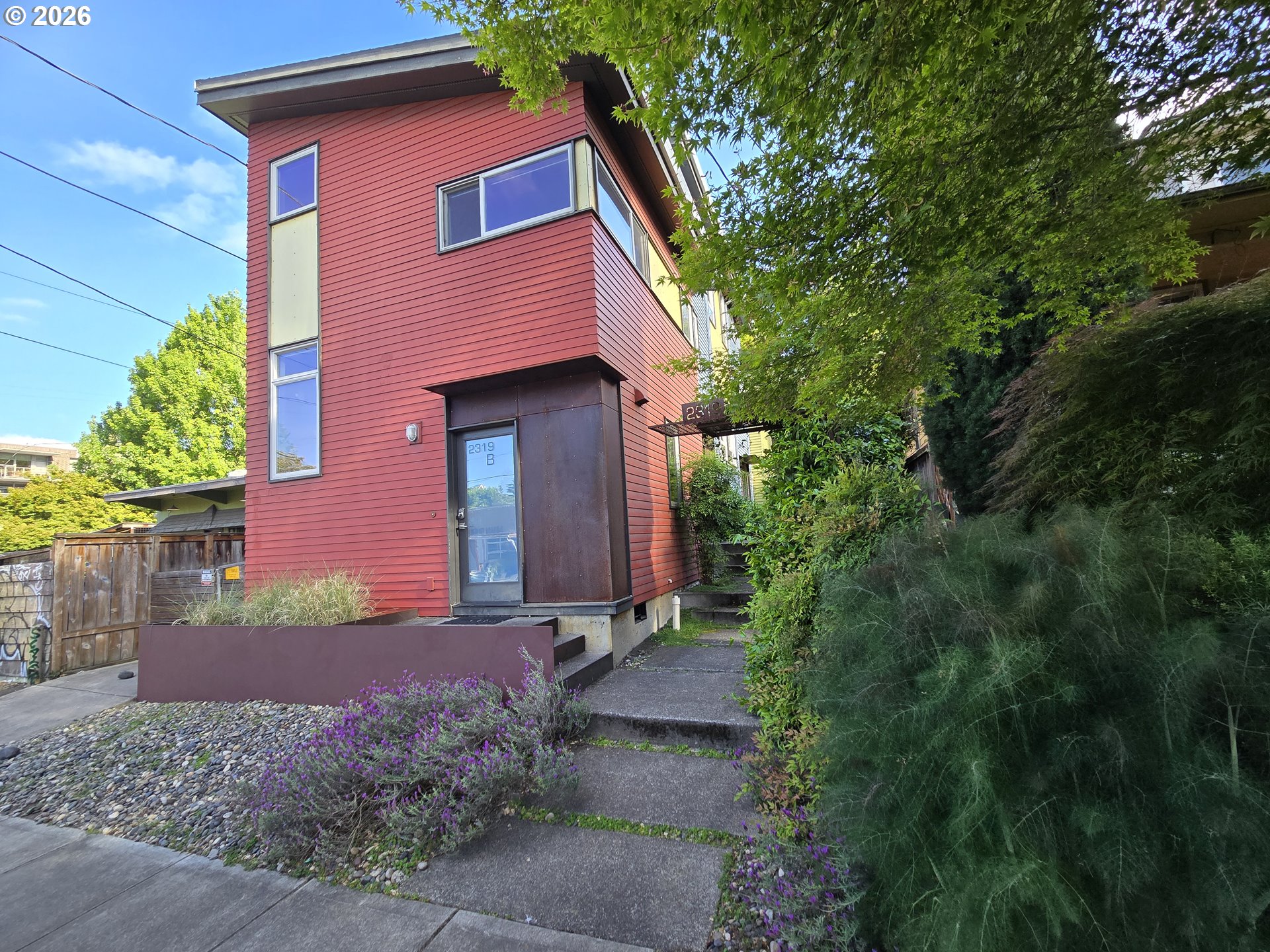
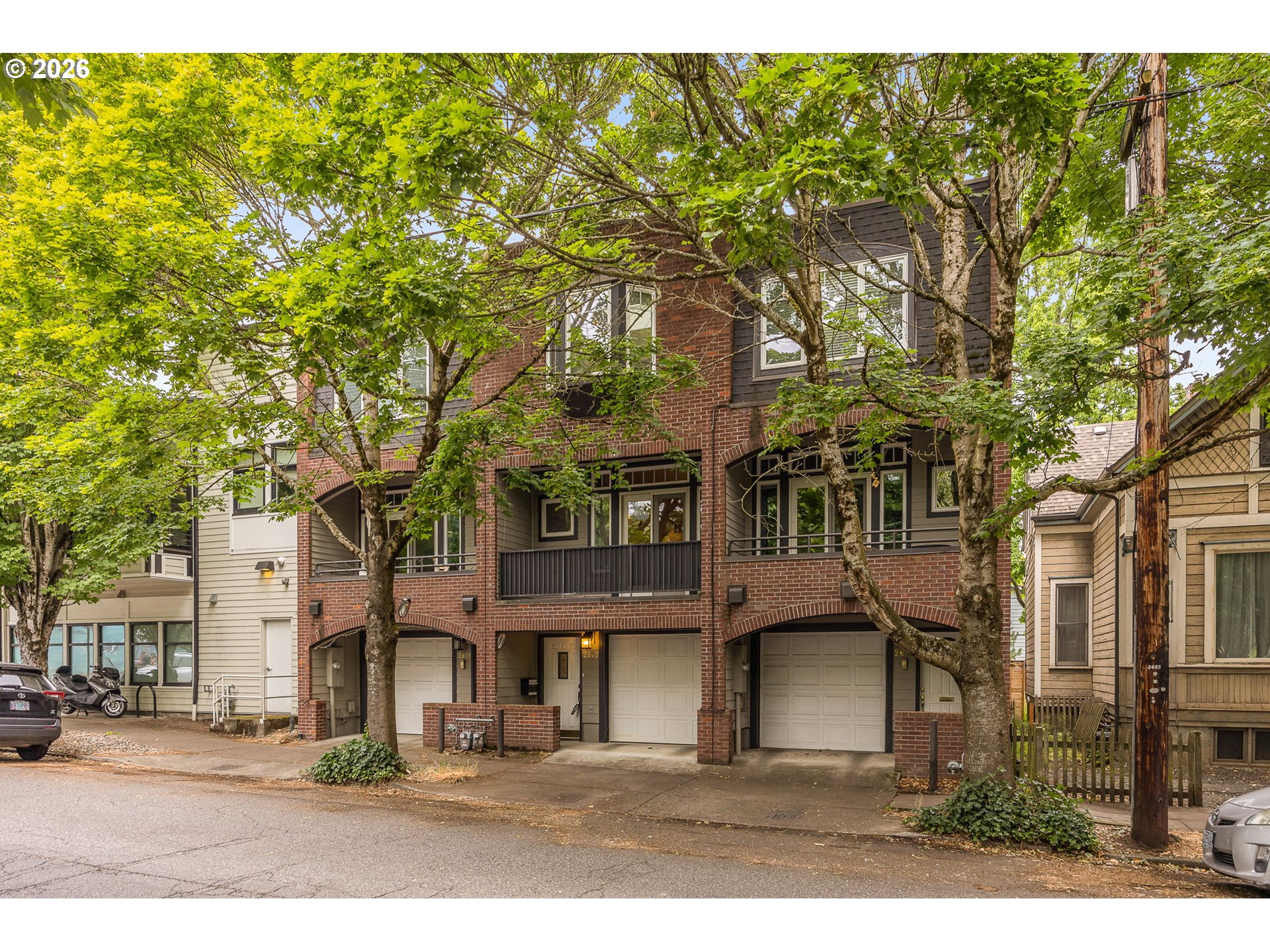
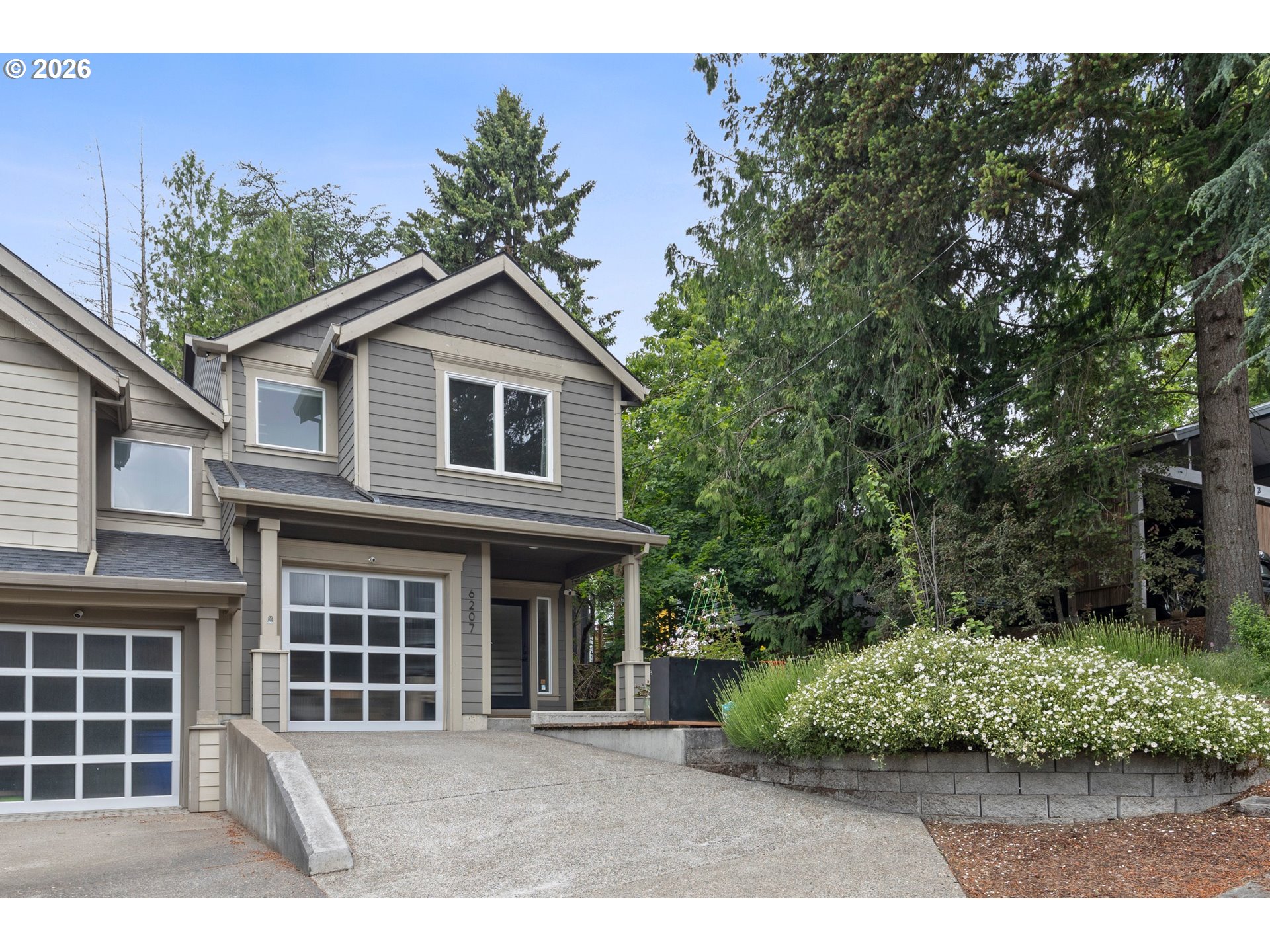
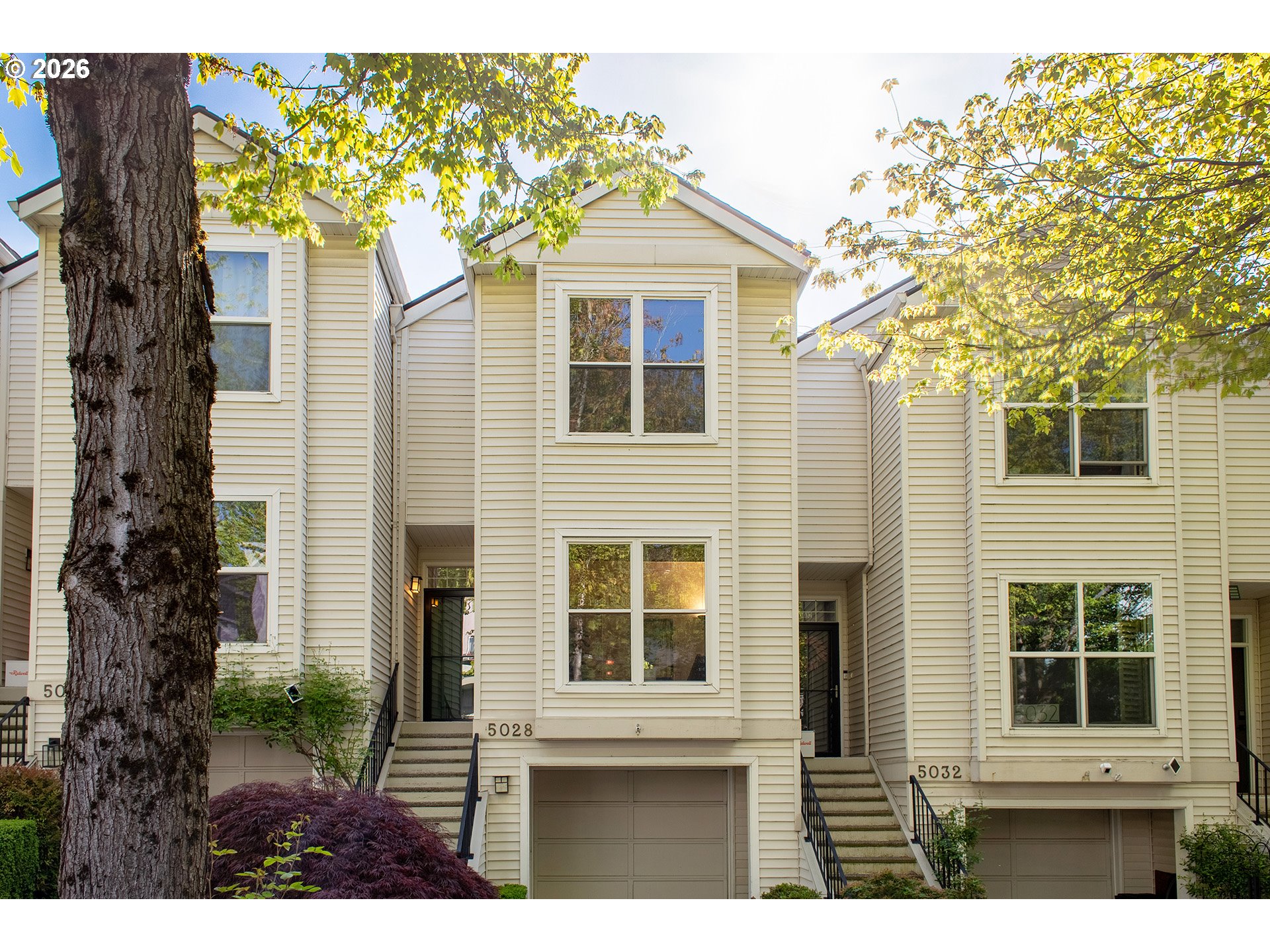
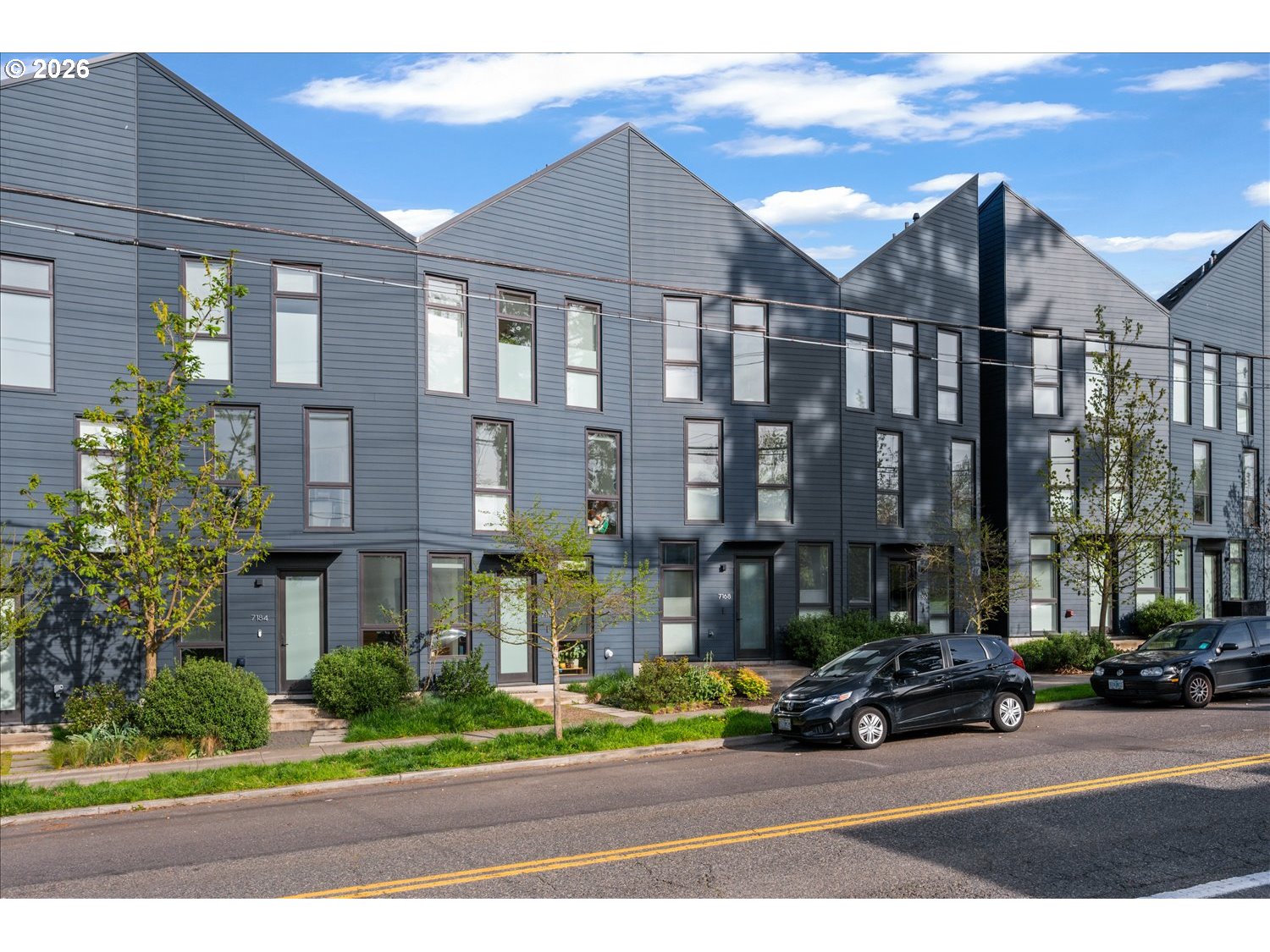
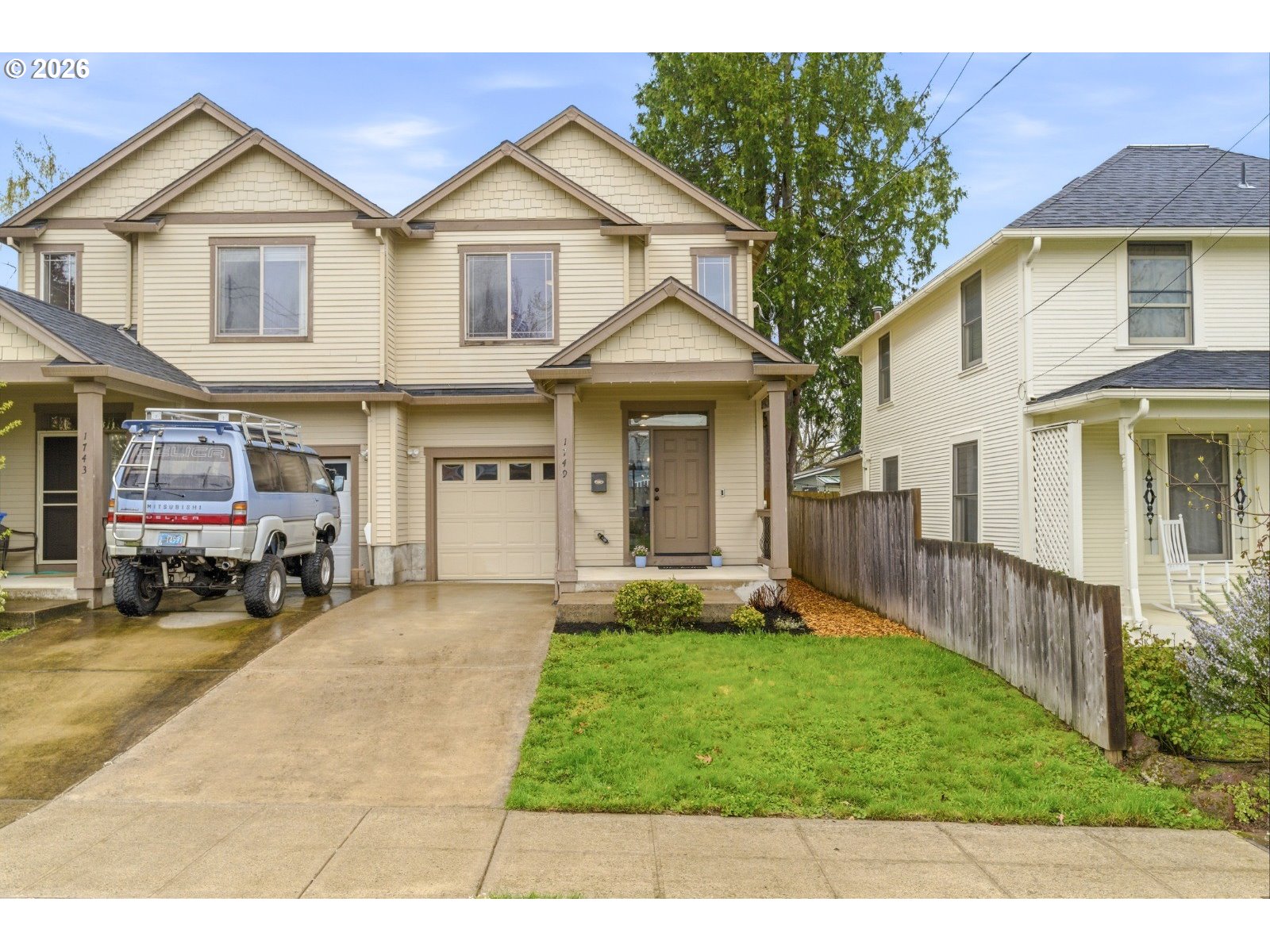
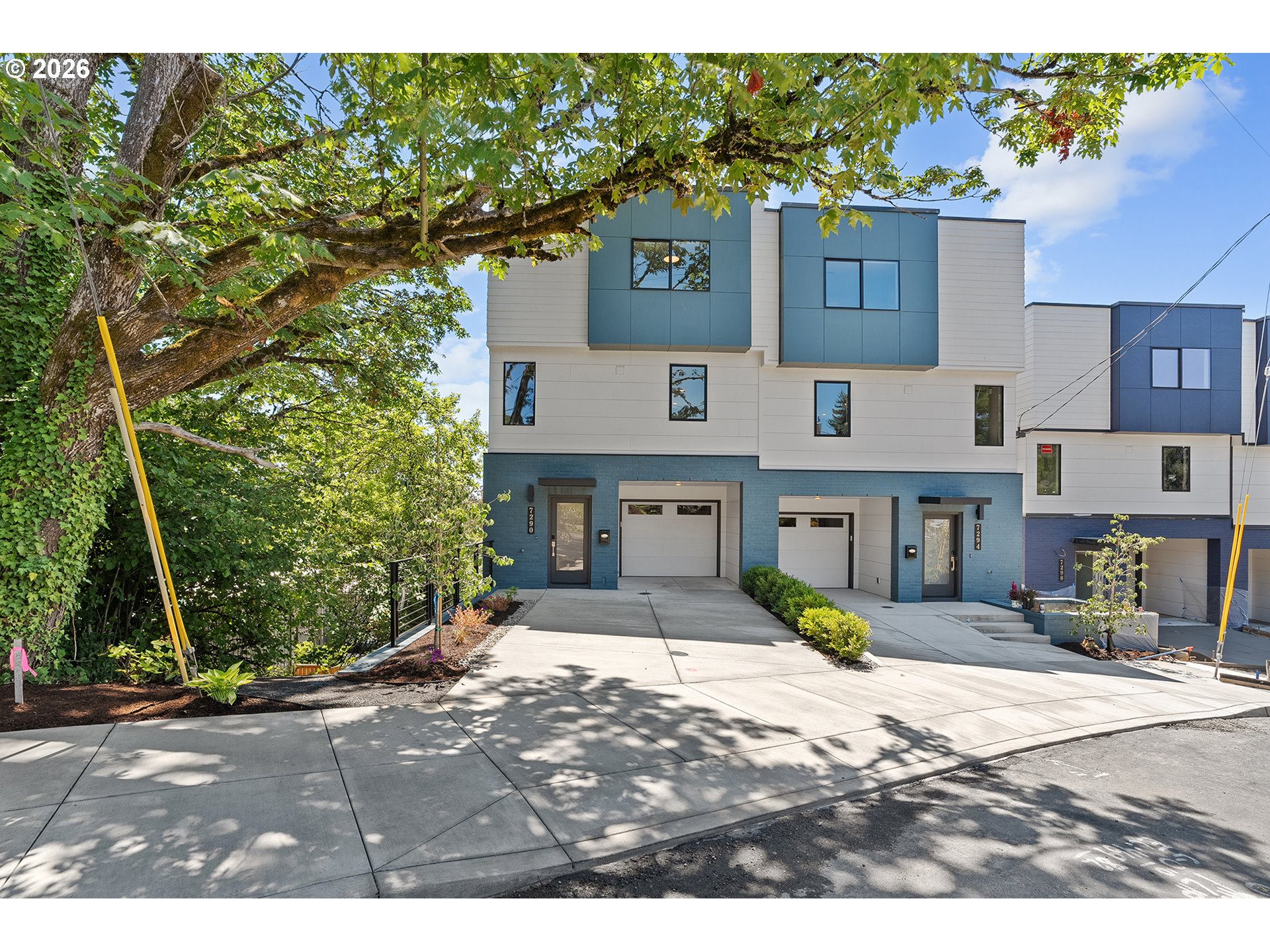
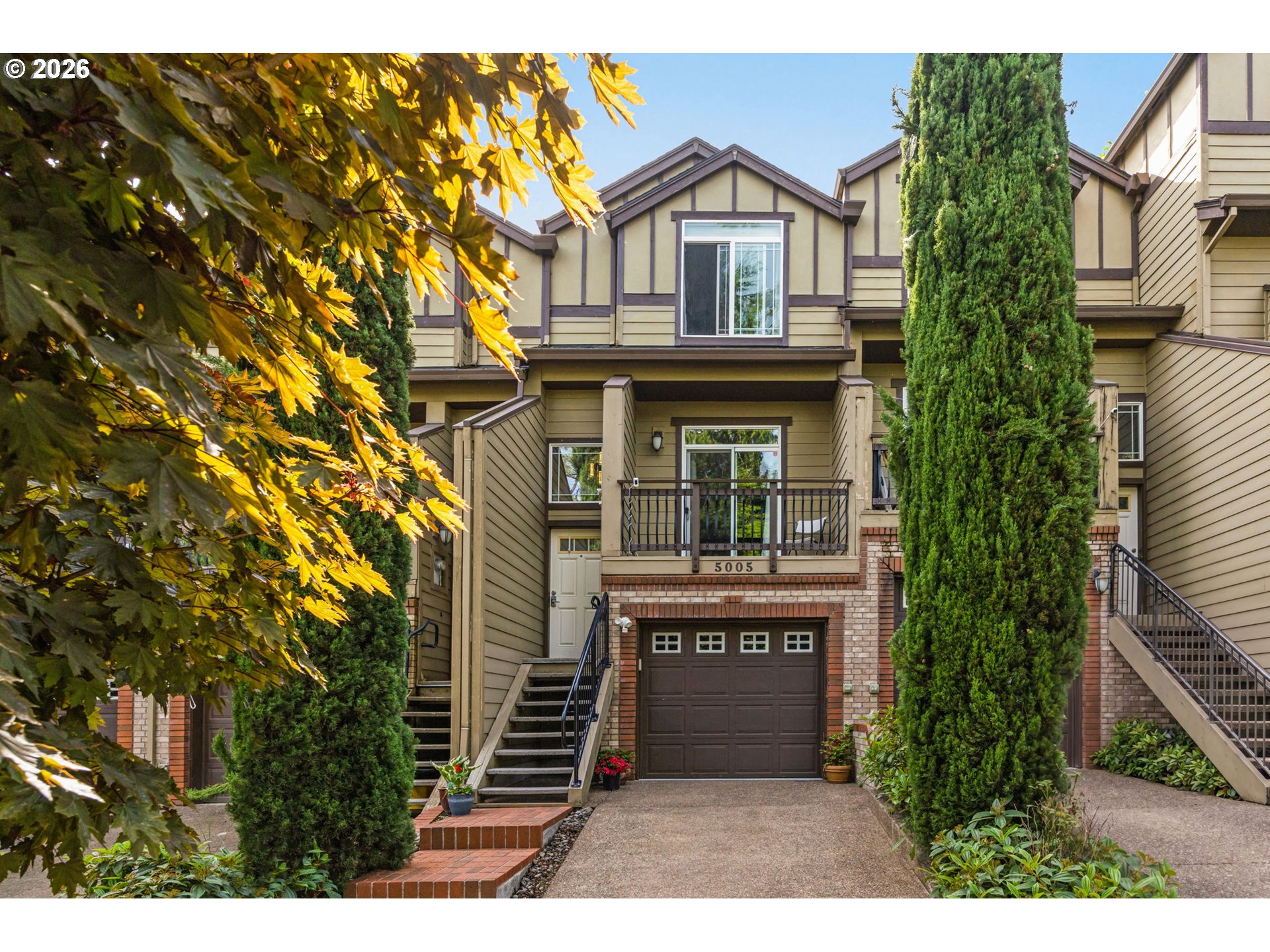
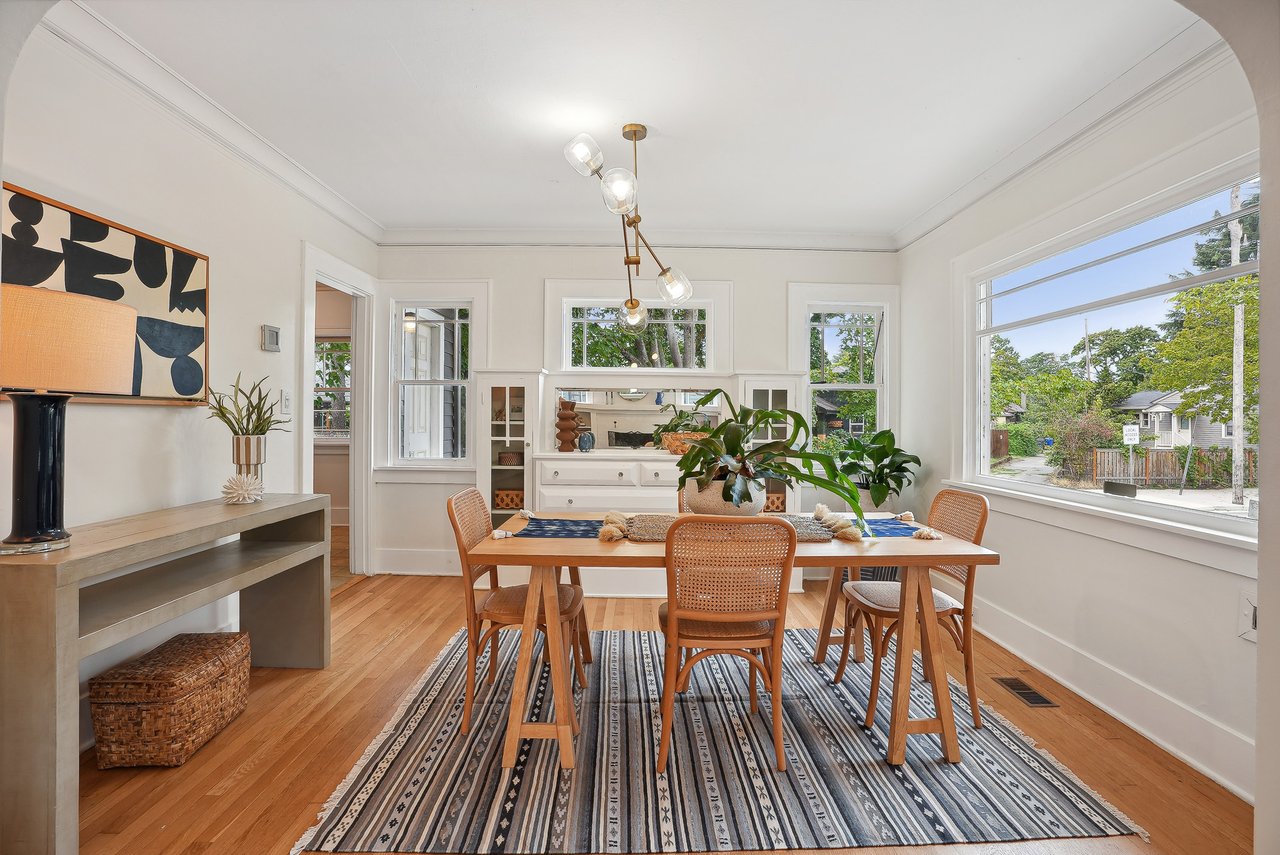
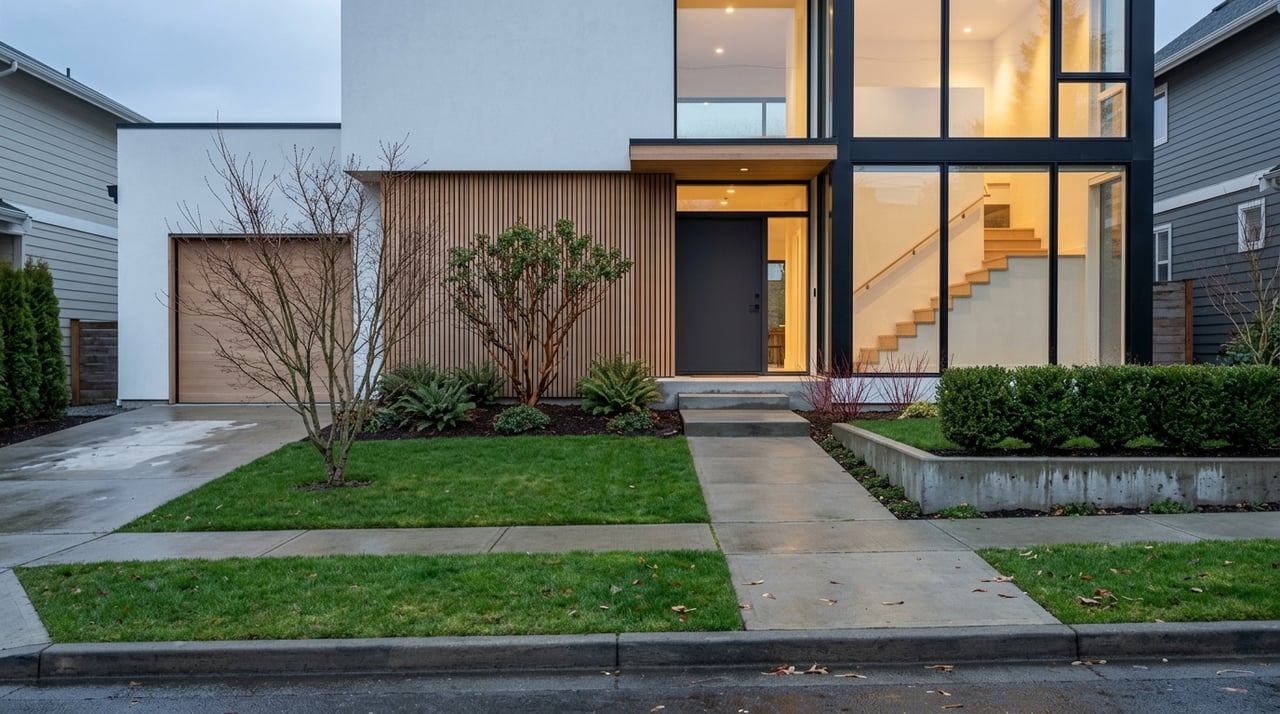
Buy a Portland townhome for the space and feel of a house with less upkeep, all in the city's most walkable, sought-after neighborhoods.
Portland, OR Housing Market Trends
In many major U.S. metros, townhomes are legally structured as condominiums, meaning you own only the interior space while a homeowners association (HOA) owns the land and exterior structure—subjecting you to rising monthly HOA fees, restrictive rental rules, and shared building assessments. In Portland, thanks to Oregon’s Senate Bill 458 and the city's Middle Housing Land Division (MHLD) regulations, new townhomes are created as "fee-simple" properties. This means you own the entire dwelling, the private yard, and the plot of land directly beneath your feet. You avoid expensive condo association fees, maintain full control over your own property and maintenance decisions, and bypass the complex condo lending restrictions common in other states.
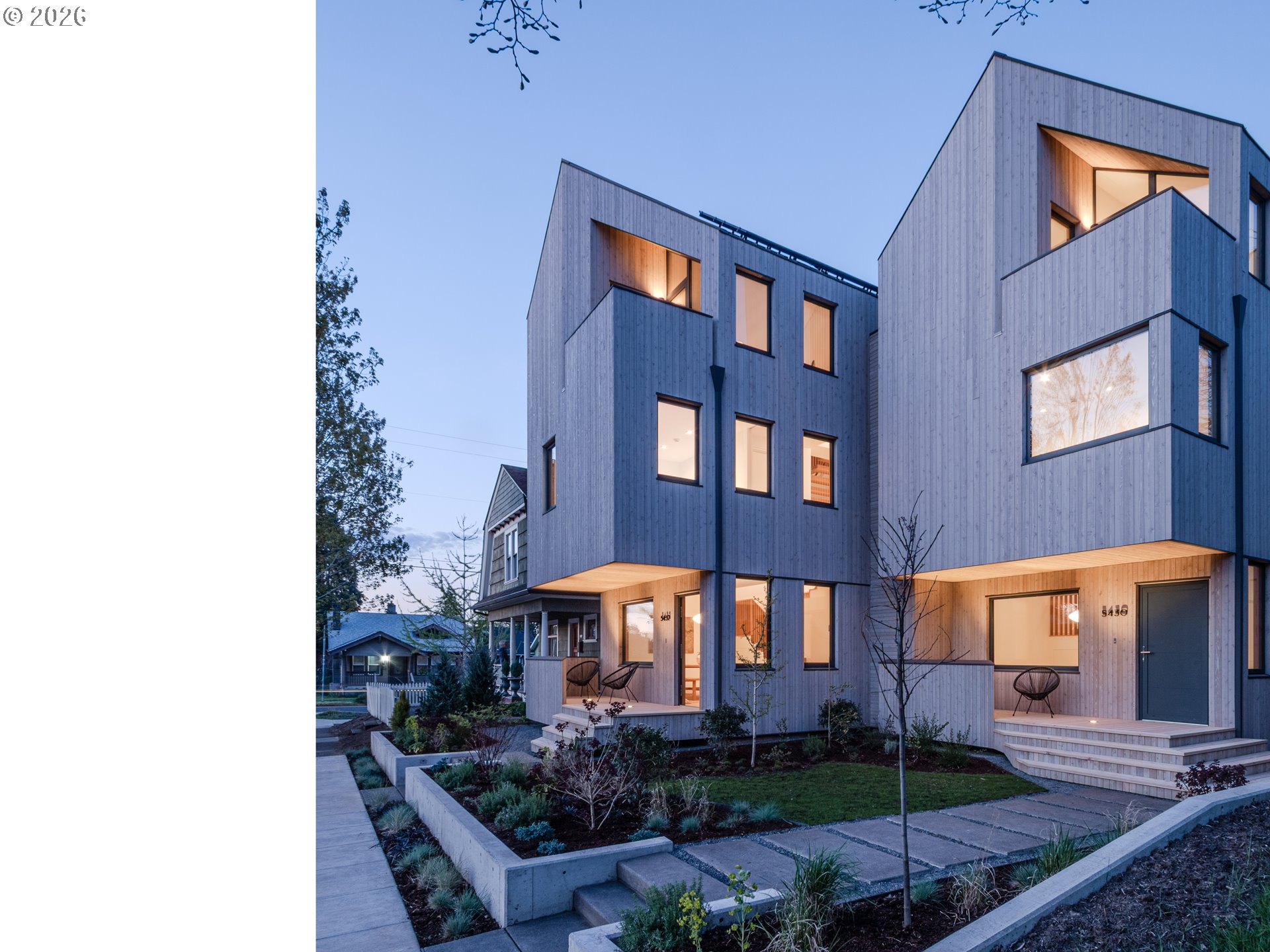
In most American cities, attached townhomes are relegated to suburban master-planned developments on the outer fringe, forcing long car commutes to reach urban amenities. Portland’s landmark Residential Infill Project (RIP) changed this by allowing multi-unit townhomes to be built seamlessly directly within established single-family residential neighborhoods. Buying a townhome in Portland allows you to live on a quiet, tree-lined street in highly desirable, walkable hubs like Alberta Arts, Hawthorne, Division, or Sellwood—just steps from independent coffee shops, food cart pods, and public transit. Furthermore, townhomes built under RIP sell for significantly less than newly built detached single-family houses in those same central neighborhoods, making them an ideal bridge to urban homeownership without sacrificing location.
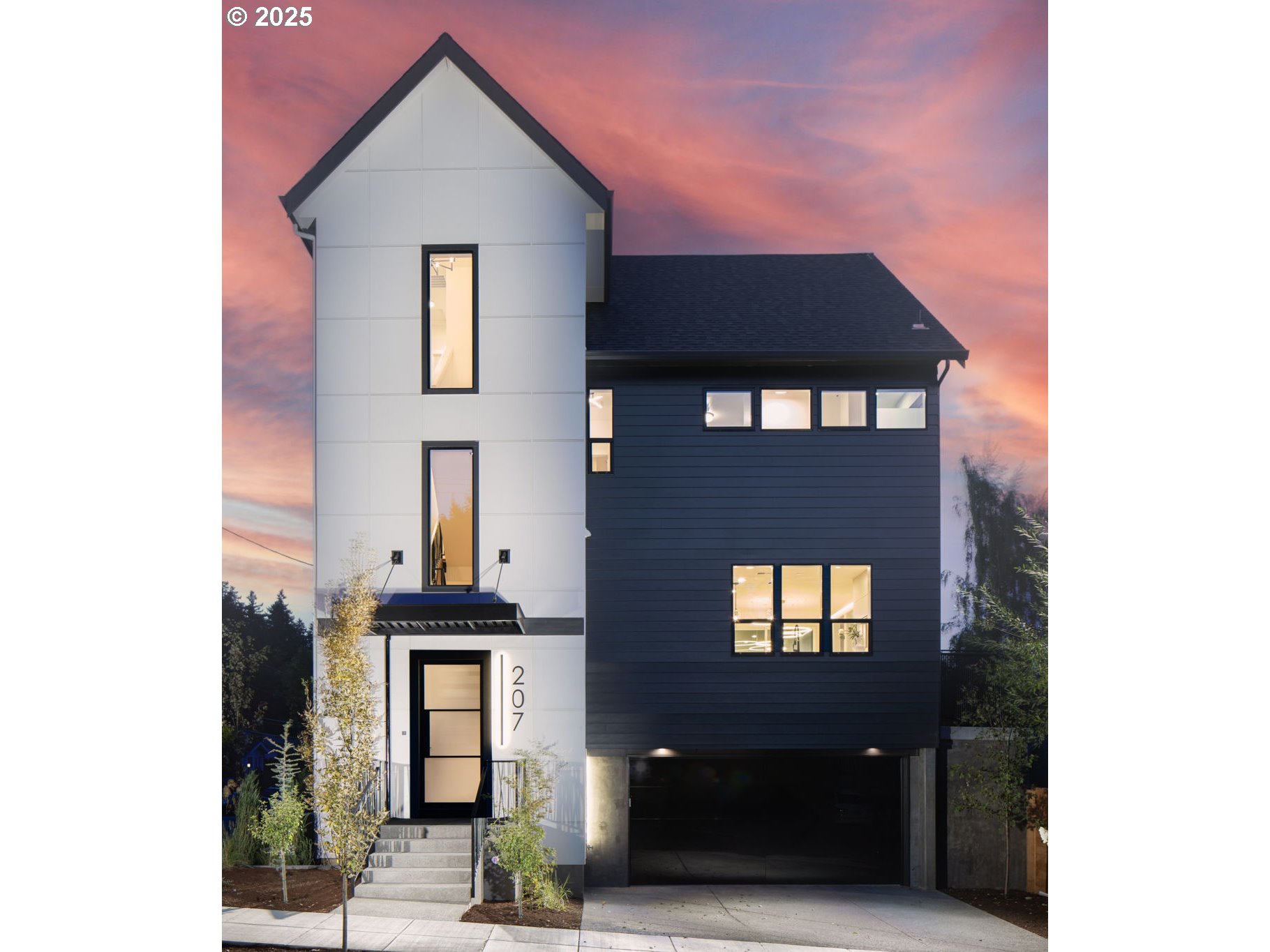
For buyers seeking a low-maintenance lifestyle, the primary alternative in most large West Coast cities is a high-rise condominium unit. However, high-rise condos often come with steep structural insurance premiums, complex construction defect litigation risks, and unpredictable reserve fund special assessments. A Portland townhome provides the same modern, vertical "lock-and-leave" convenience—such as multi-story layouts, private attached garages, energy-efficient post-2020 construction, and minimal yard upkeep—without tying your financial equity to a large shared building's operational budget. You get the privacy and peace of mind of an independent single-family home paired with the modern efficiency and lower maintenance demands of high-density living.
Contact us today for expert local advice, private tours, and guidance tailored to your goals. Whether you're navigating your first home purchase or upgrading to your ideal Portland, OR property, we’ll help you move with confidence in one of Oregon’s most sought-after markets.
In Portland, a fee-simple townhome means you own both the physical building structure and the parcel of land directly beneath it, often made possible by Oregon’s Middle Housing Land Division rules. In contrast, a condo-structured townhome grants you ownership only of the interior living space while the land and exterior components are owned collectively by the homeowners association. Fee-simple townhomes typically come with lower or zero monthly HOA fees and give buyers full autonomy over exterior modifications and maintenance. Conversely, condo-style townhomes delegate exterior maintenance, roof replacement, and shared insurance to an association in exchange for a mandatory monthly fee.
Monthly HOA fees for Portland townhomes are significantly lower than high-rise condos, generally ranging from $0 to $400 per month depending on the ownership structure. Many newer fee-simple townhomes have no active HOA at all or charge nominal yearly fees solely to maintain shared driveways, courtyards, or common landscaping. When an HOA is present, the monthly dues usually cover common area liability insurance, exterior building maintenance, and shared landscaping upkeep. Buyers should always carefully review the association’s covenants, conditions, and restrictions (CC&Rs) to confirm precisely which maintenance items fall on the individual owner versus the collective association.
Most attached townhomes in Portland are built with a shared structural wall—known as a party wall—governed by a recorded Party Wall Agreement. This legal agreement outlines each owner's equal responsibility for the maintenance, repair, and structural integrity of the dividing wall separating the units. If damage occurs or routine maintenance is required, the agreement dictates how costs are split and how disputes between adjoining property owners must be resolved. Having a clear party wall agreement in place protects both homeowners financially and ensures that neither party can make structural alterations that compromise their neighbor's unit.
Townhomes are widely distributed across Portland, but high concentrations exist in close-in Eastside neighborhoods like Alberta Arts, Hawthorne, Division, and Sellwood, as well as Northwest Portland. Prices for Portland townhomes generally span from $350,000 for compact or outer-eastside units up to $850,000+ for luxury modern builds in prime central districts. Oregon’s Residential Infill Project has accelerated the construction of new-build townhomes, making them a popular entry point in historic single-family neighborhoods. Consequently, buyers can choose between historic brick townhomes in close-in urban cores or sleek, energy-efficient modern infill units in residential communities.
Financing a fee-simple townhome in Portland is virtually identical to securing a mortgage for a traditional detached single-family home. Lenders evaluate fee-simple townhomes using standard conventional, FHA, or VA loan guidelines without requiring the complex project reviews mandated for condos. This eliminates common condo underwriting hurdles such as owner-occupancy ratios, commercial square footage limits, or master insurance policy scrutiny. As a result, townhome buyers often benefit from smoother appraisal processes, broader loan options, and lower interest rates compared to condo purchasers.
Yes, Portland townhomes often make excellent long-term rental investments because fee-simple properties typically lack the strict rental caps imposed by condo associations. However, buyers interested in short-term rentals (such as Airbnb) must navigate both local municipal laws and any applicable HOA rules. The City of Portland mandates that short-term rental operators obtain an accessory short-term rental permit, pass safety inspections, and occupy the dwelling as their primary residence for at least 270 days per year. Therefore, while buying a townhome as a long-term traditional rental is straightforward, operating an unhosted short-term rental property is generally prohibited under city ordinance.
Whether you're looking for the space of a house with less upkeep or a stylish home in one of the city's most walkable neighborhoods, The Portera Group is here to help. Reach out with any questions or to start your search—we'll guide you through every step of finding the right townhome in Portland.
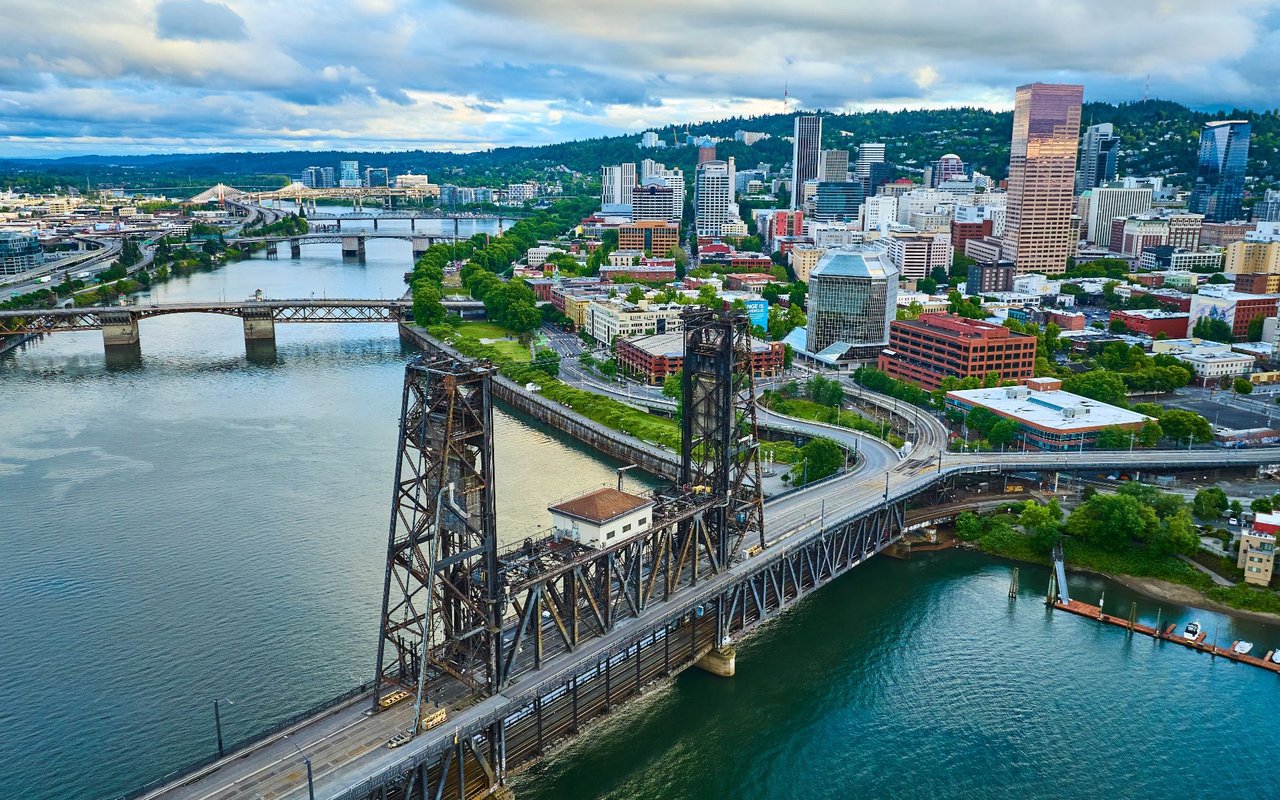
Discover the charm and character of Portland, OR—one neighborhood at a time. From the tree-lined streets of the West Hills to the vibrant energy of the Pearl District, each area offers its own distinct lifestyle, architecture, and appeal. Explore our Portland neighborhood guide to find the community that feels like home.
We believe informed clients make confident decisions, which is why we love sharing our knowledge beyond the transaction. Our blog goes beyond market trends to offer behind-the-scenes insight into homeownership, neighborhood favorites, home maintenance, and how we guide our clients every step of the way. Whether you’re buying, selling, or investing, you’ll find practical tips, local perspective, and data designed to help you feel prepared.