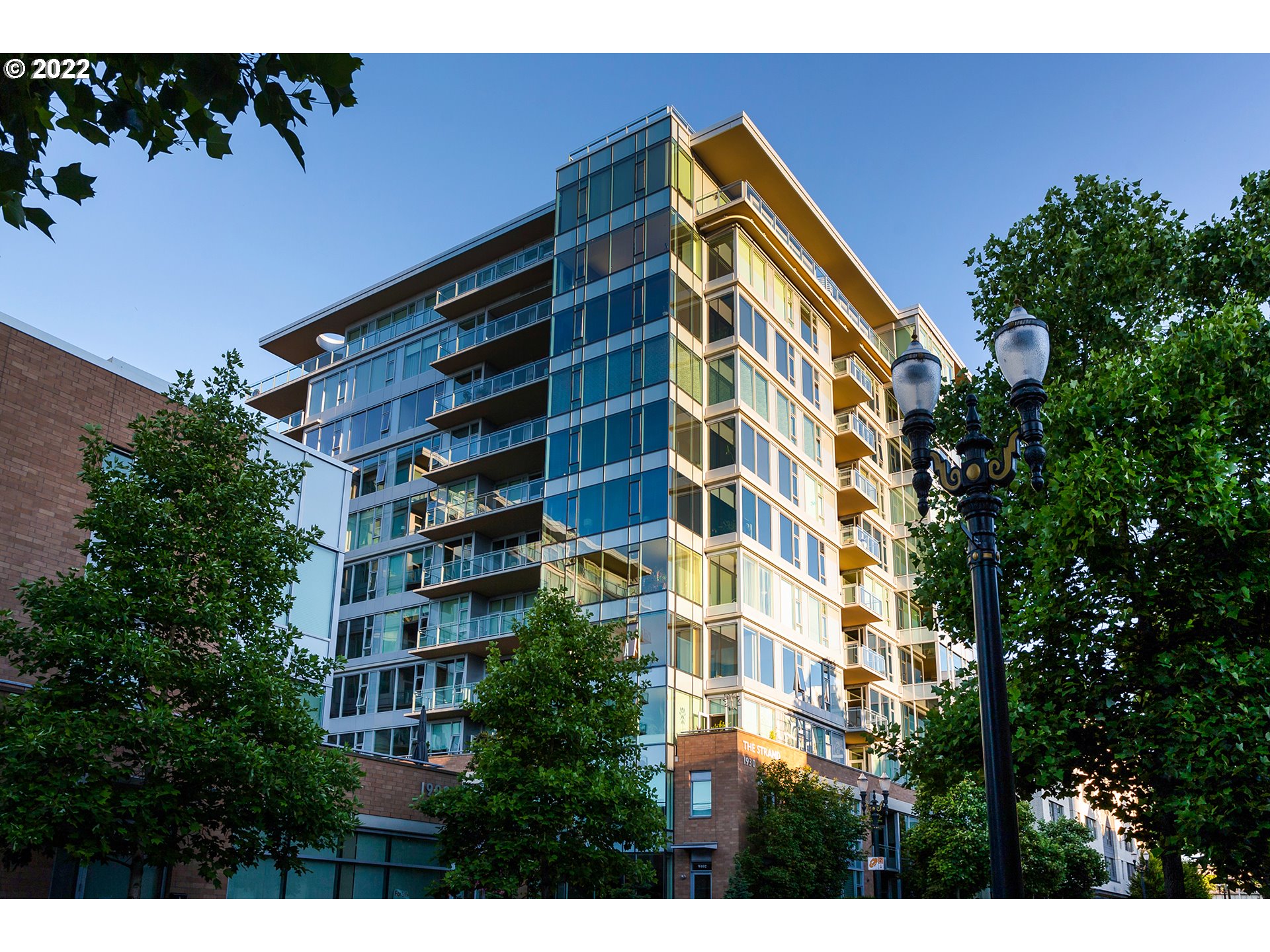
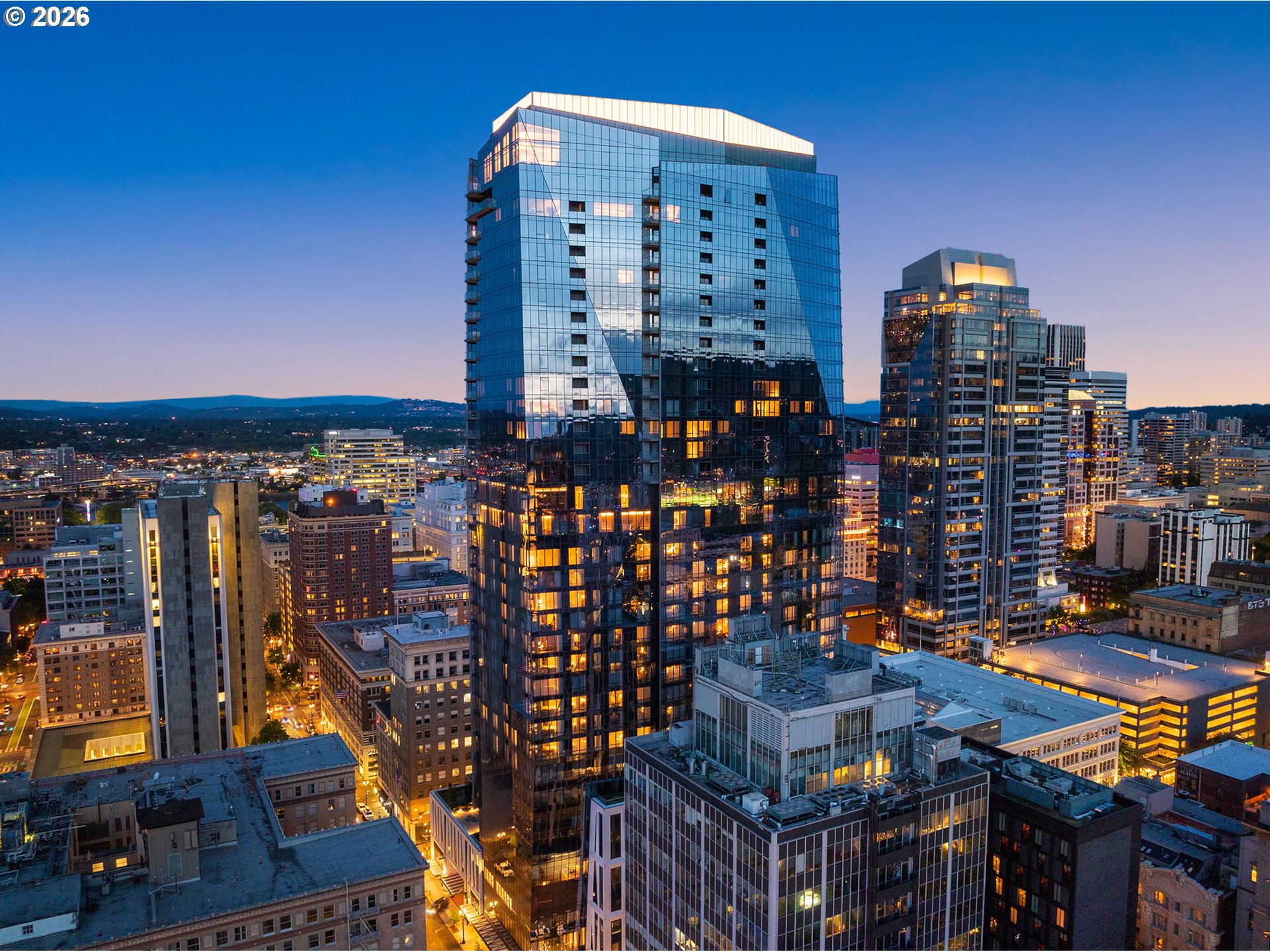
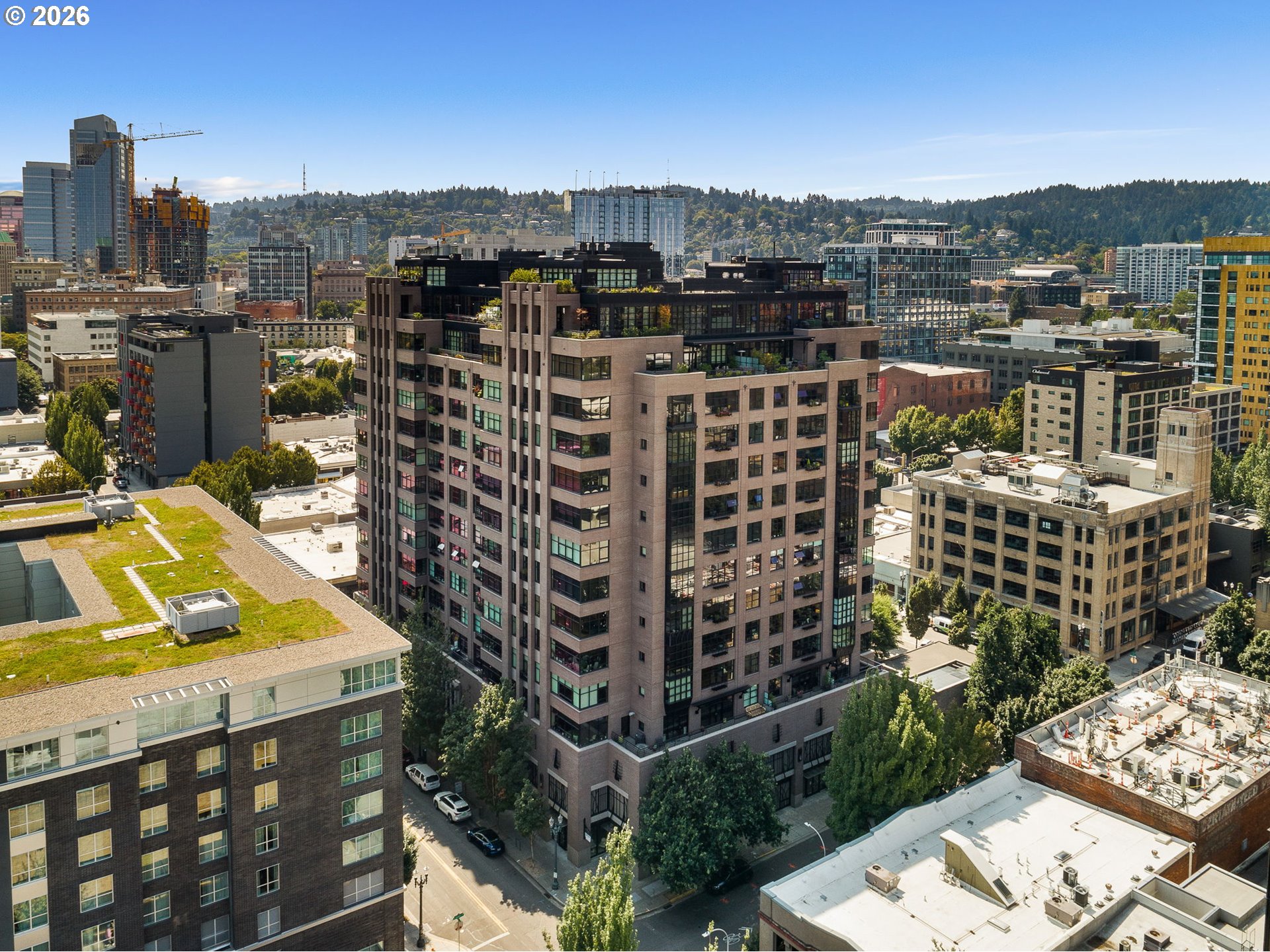
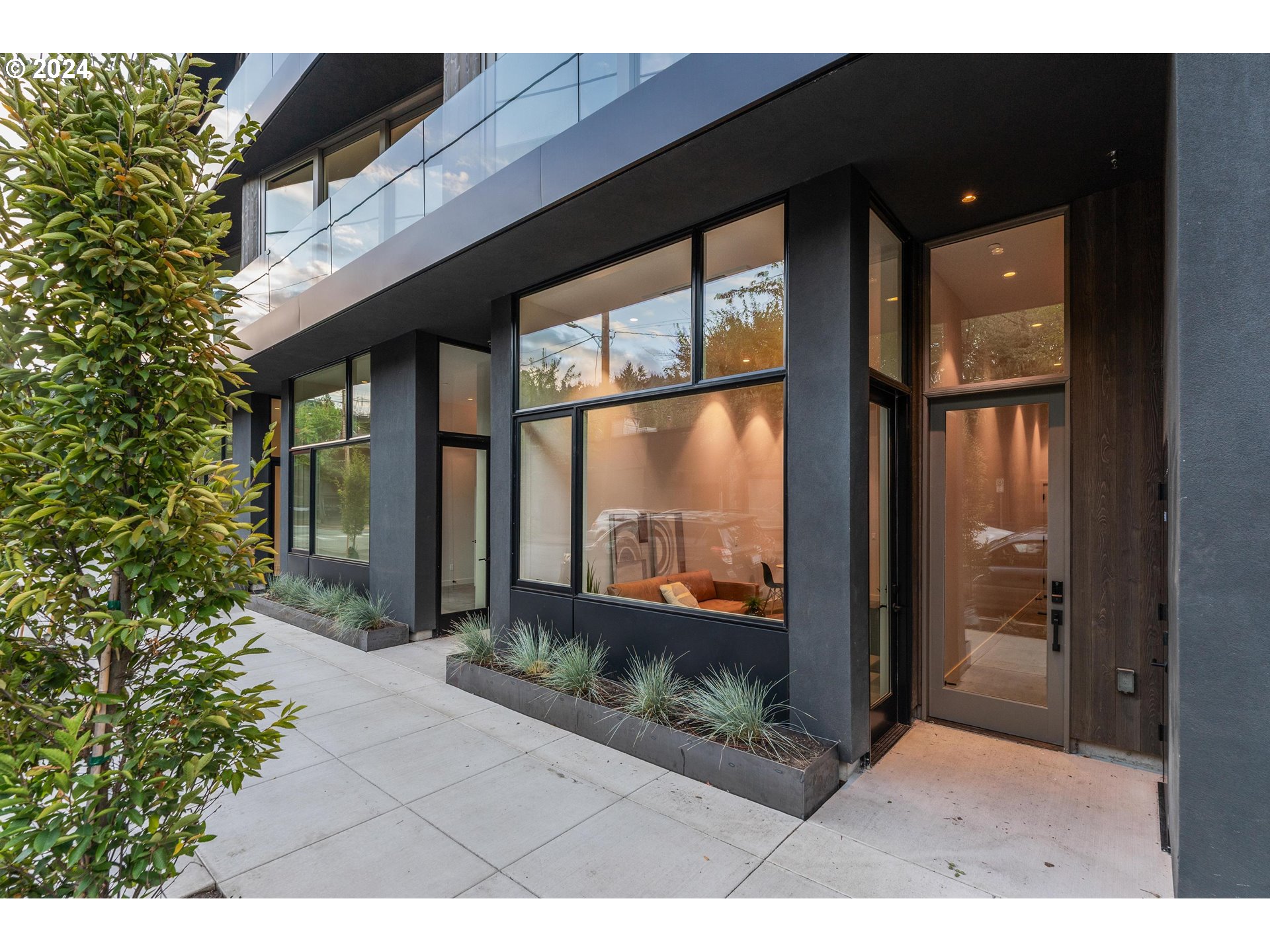
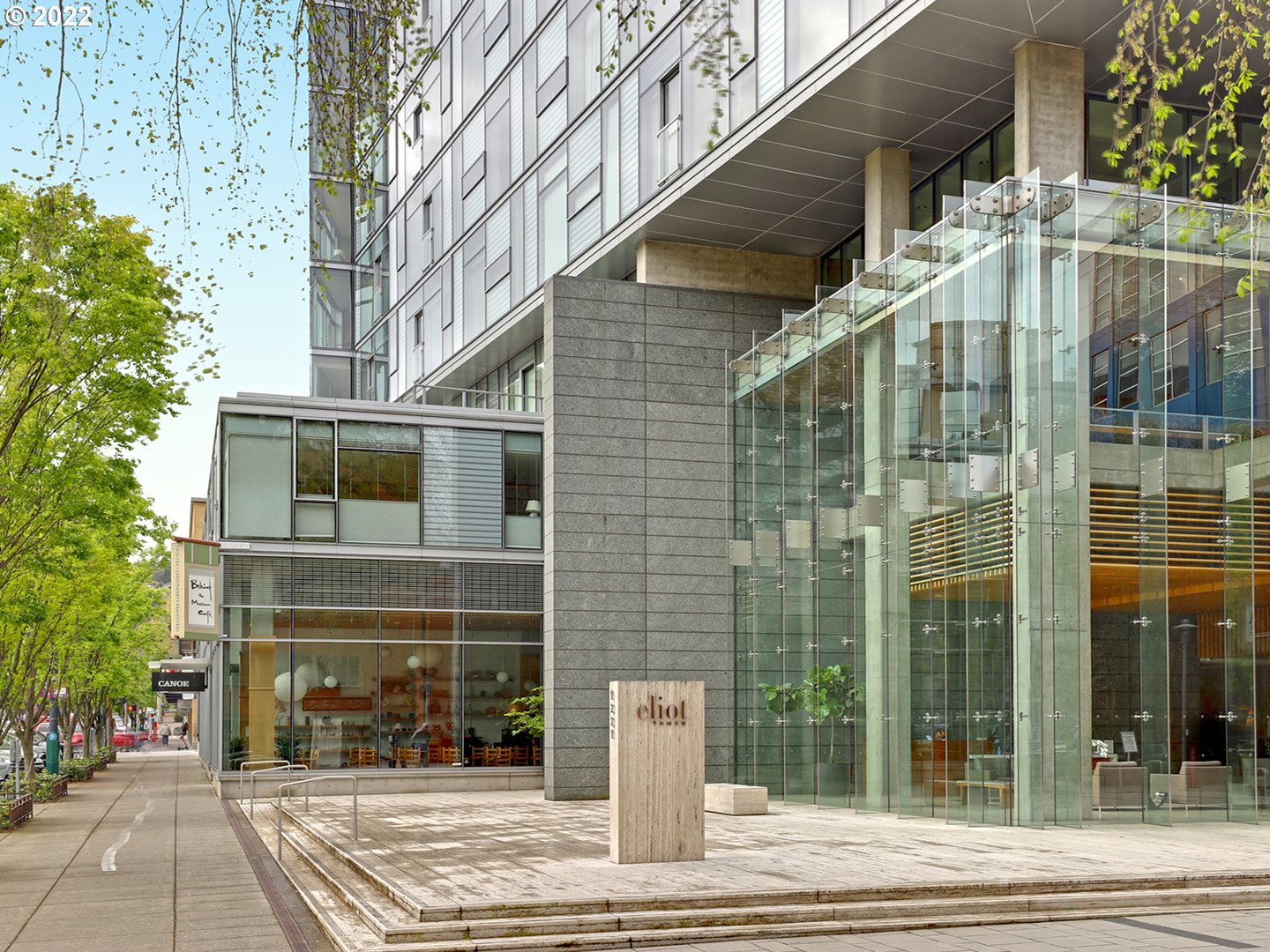
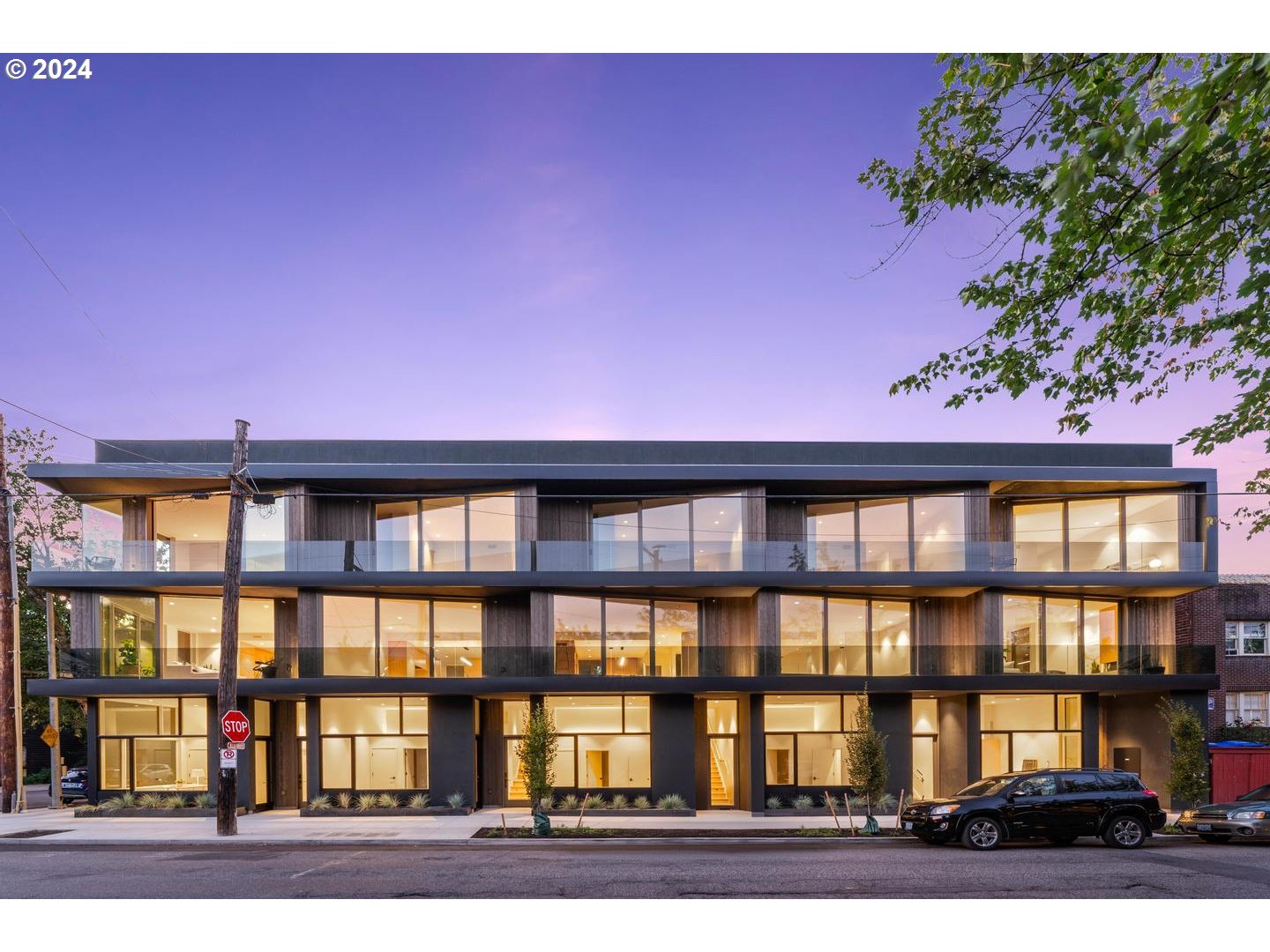
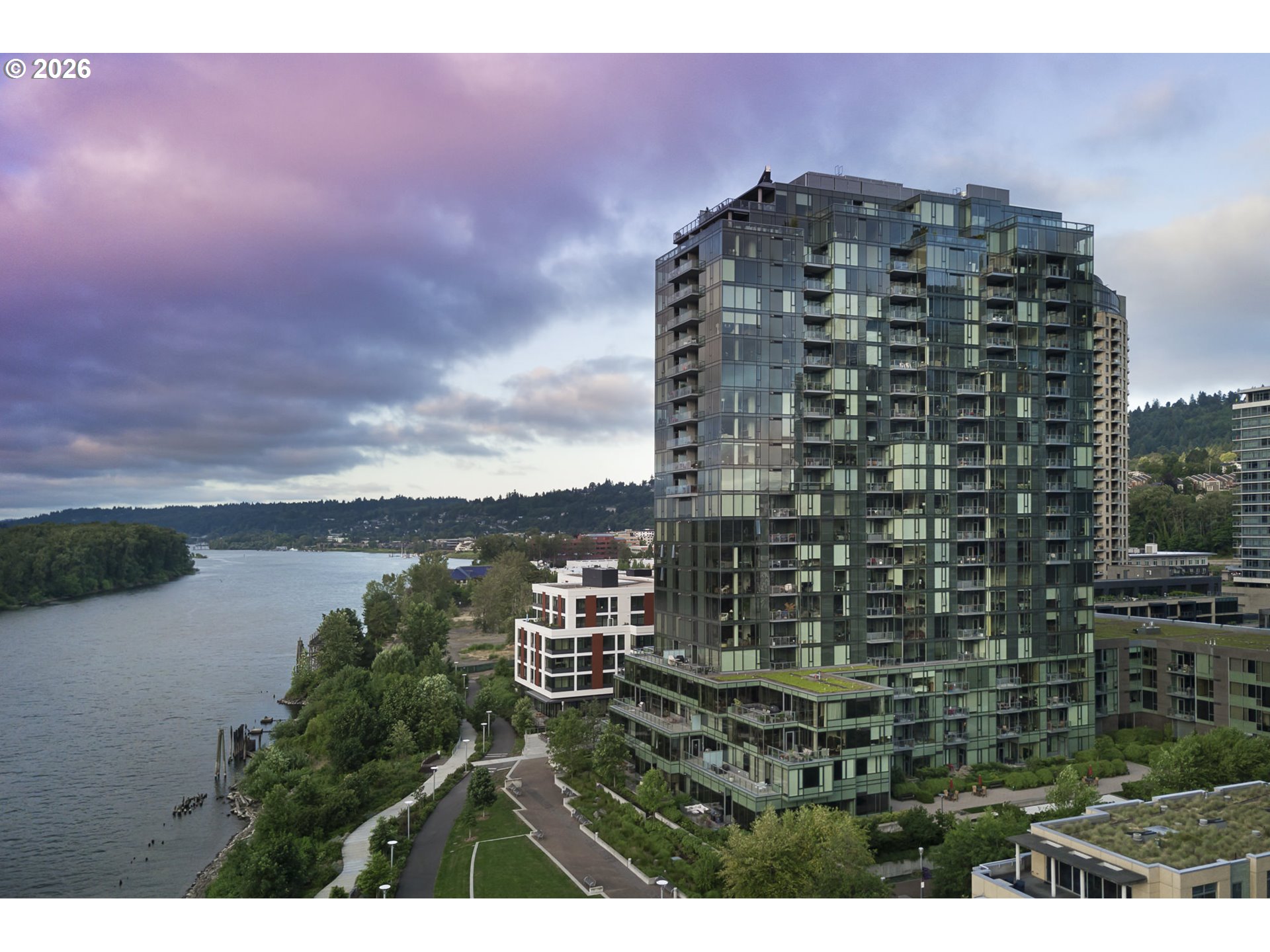
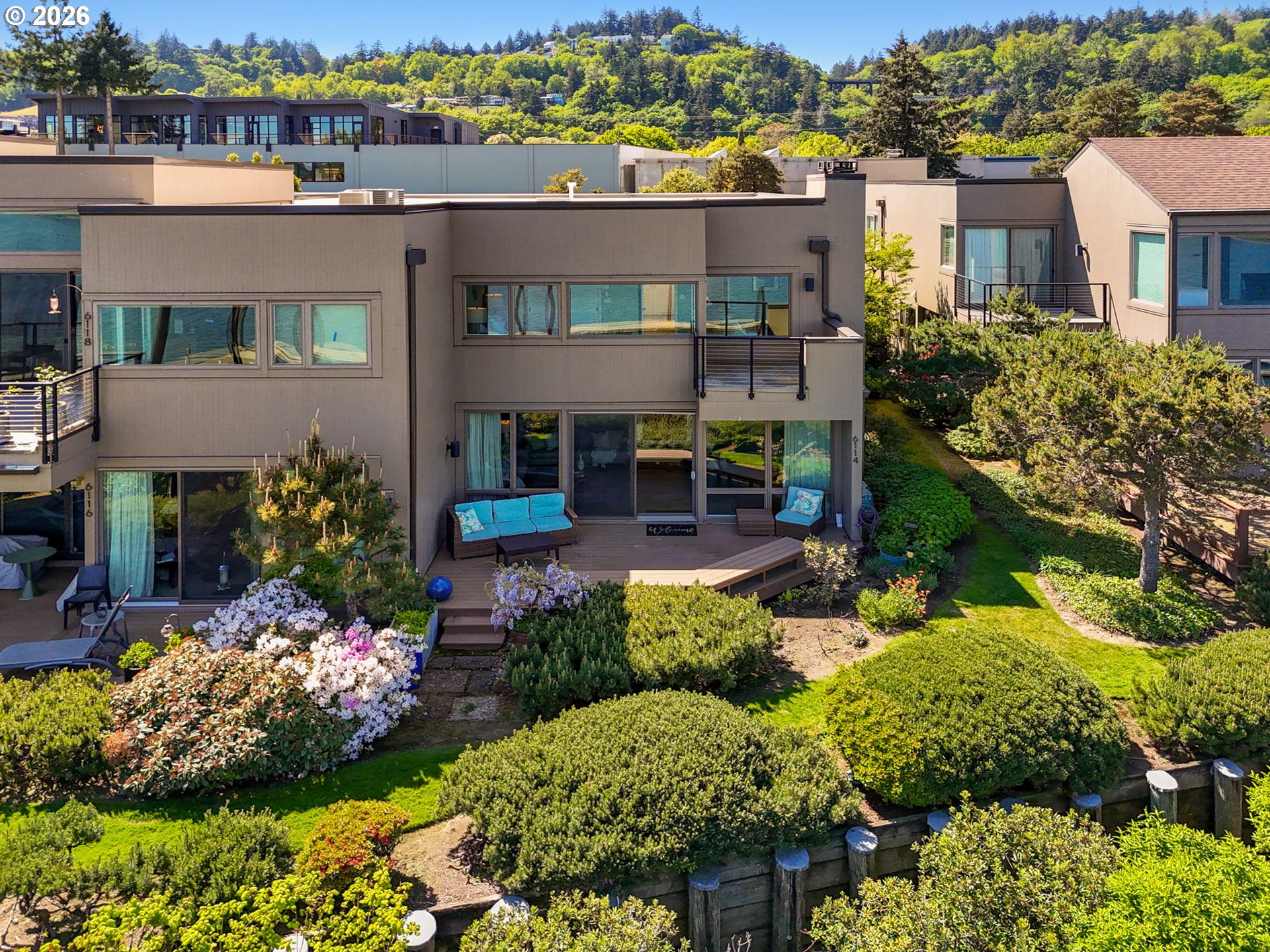
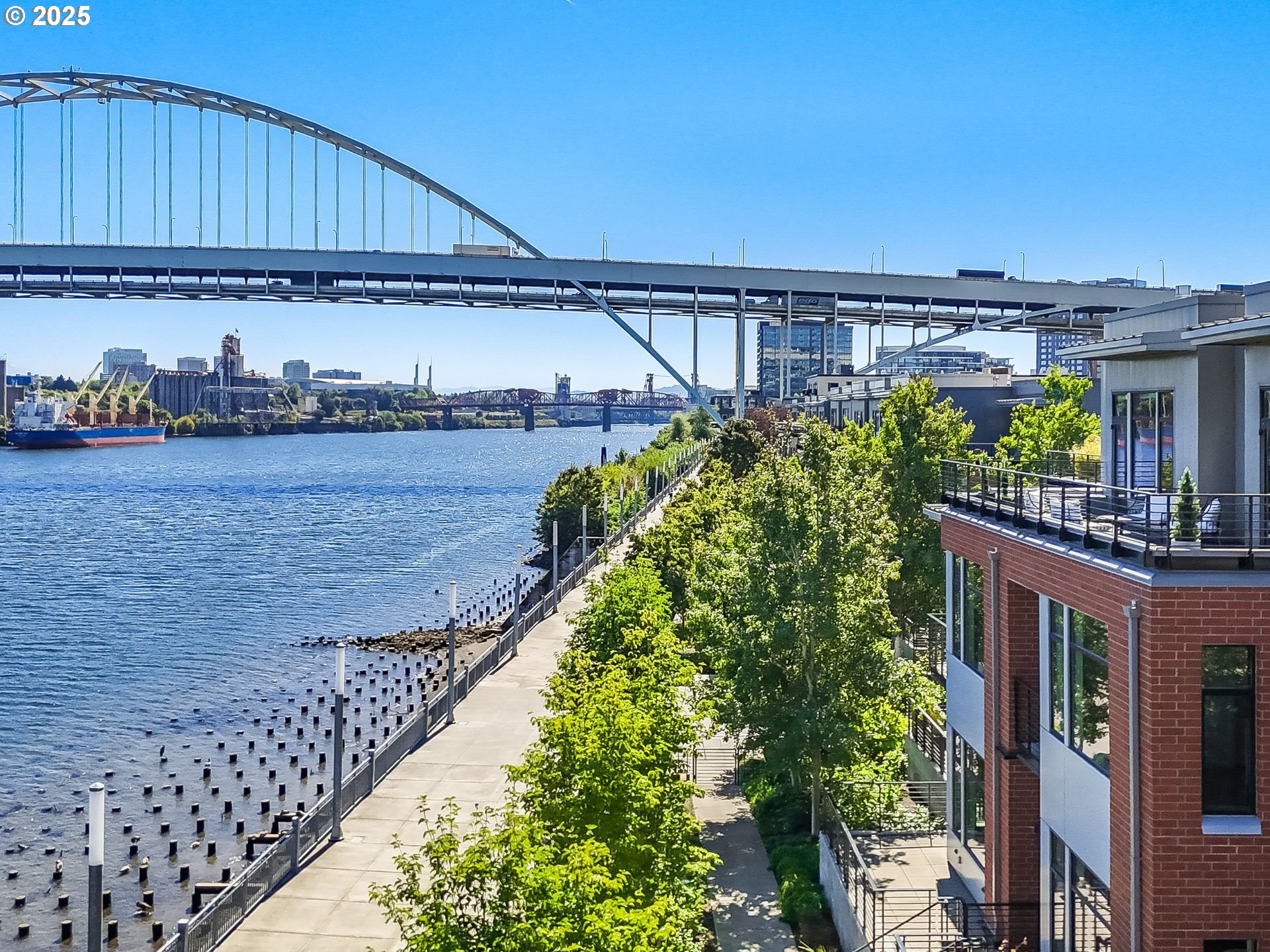
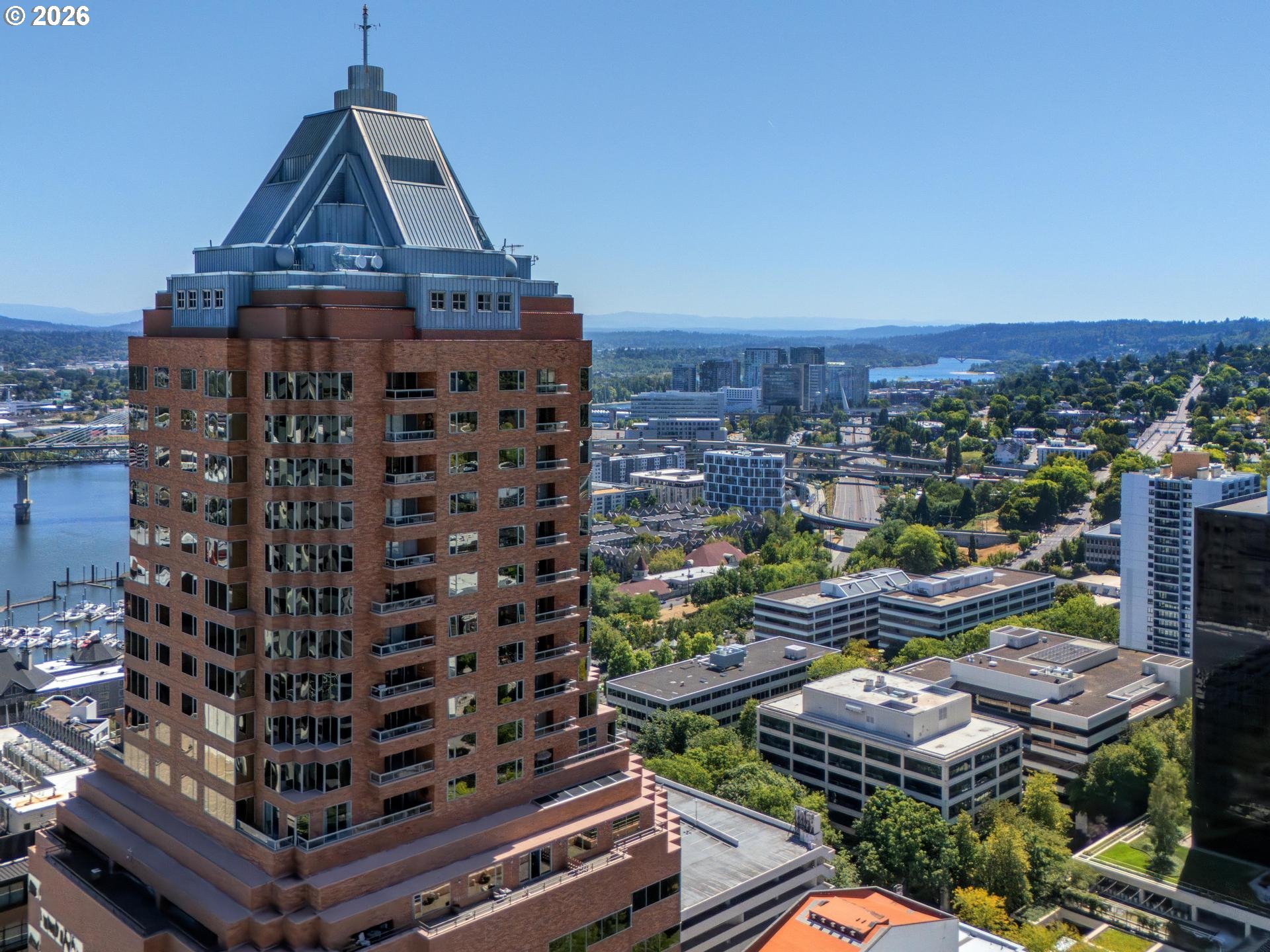
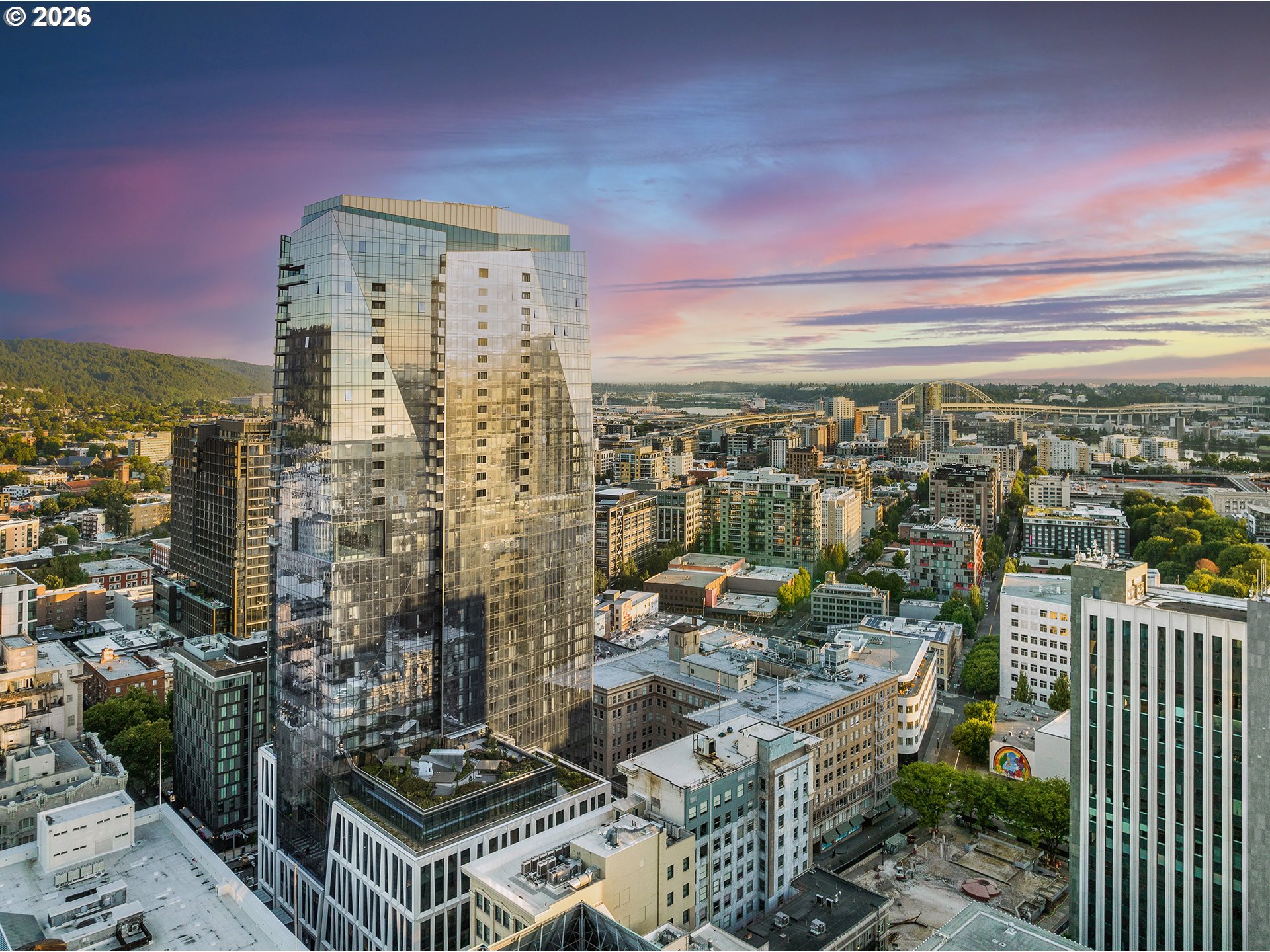
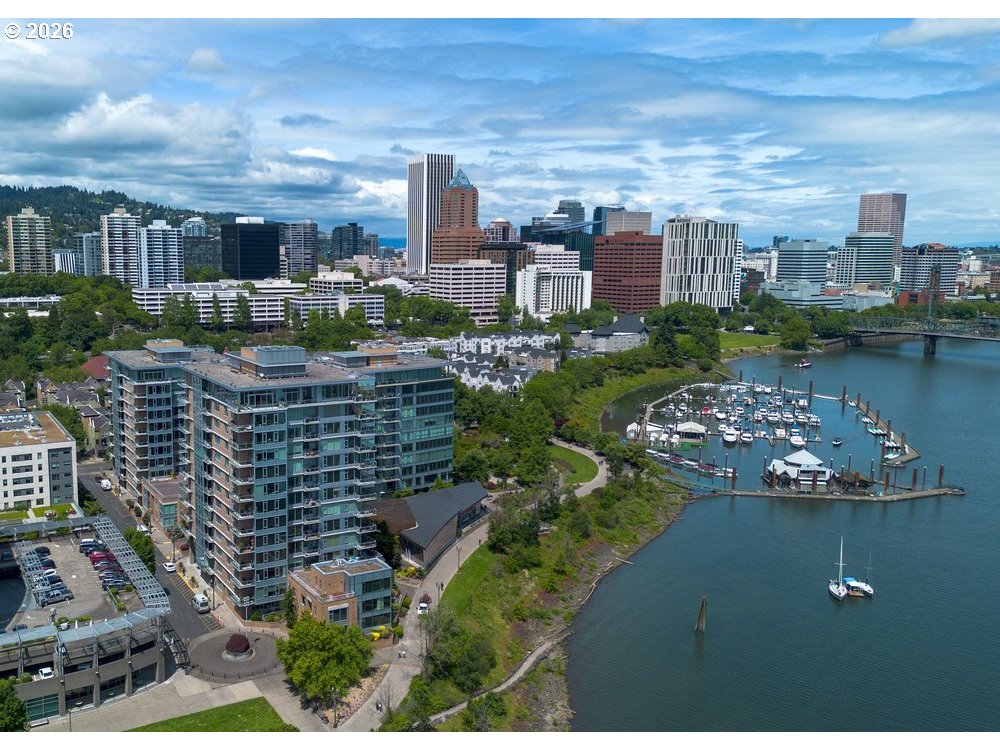
Buy a Portland condo for low-maintenance, lock-and-leave living in the heart of the city's most walkable neighborhoods, from the Pearl District to the waterfront.
Portland, OR Housing Market Trends
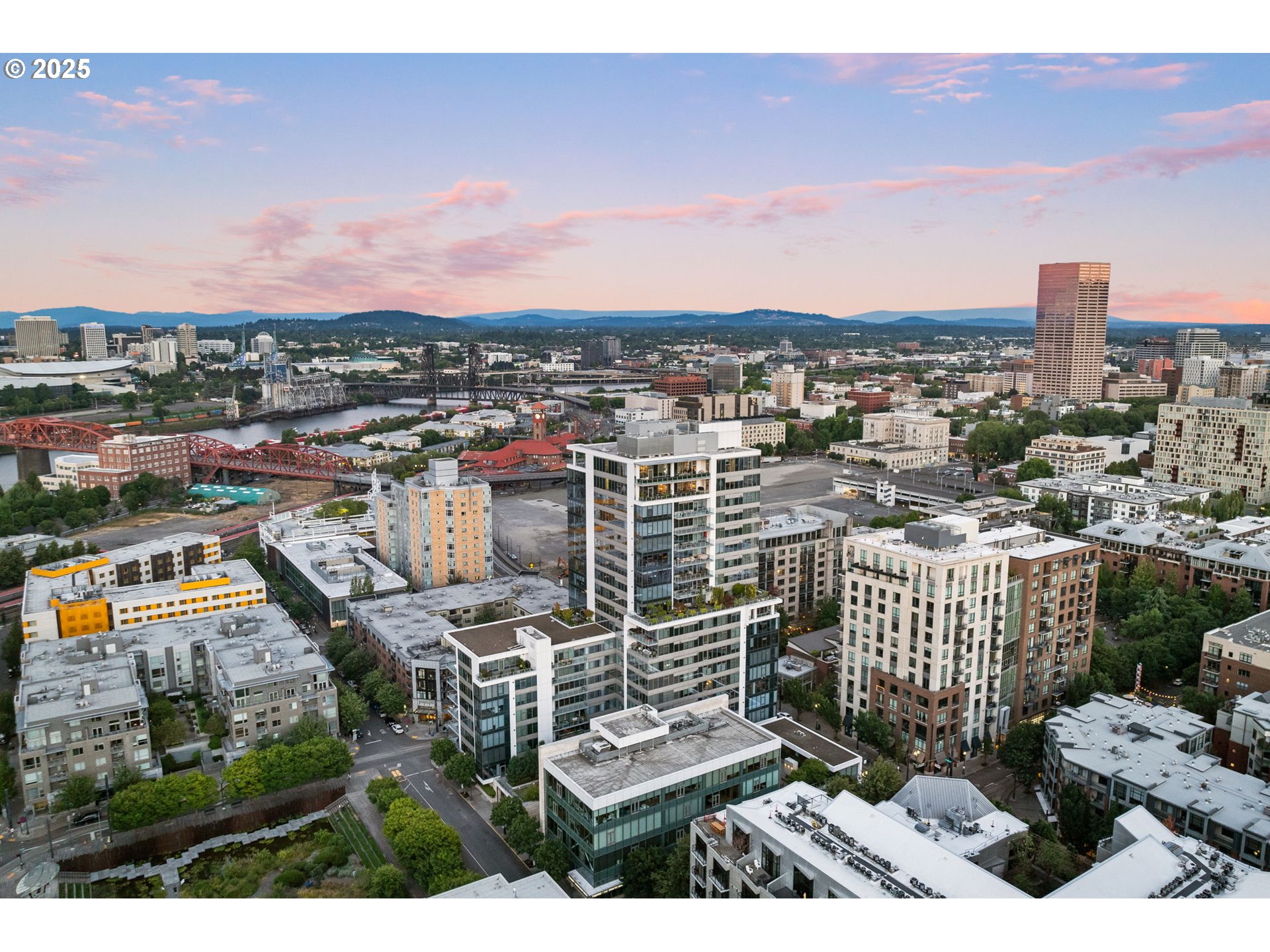
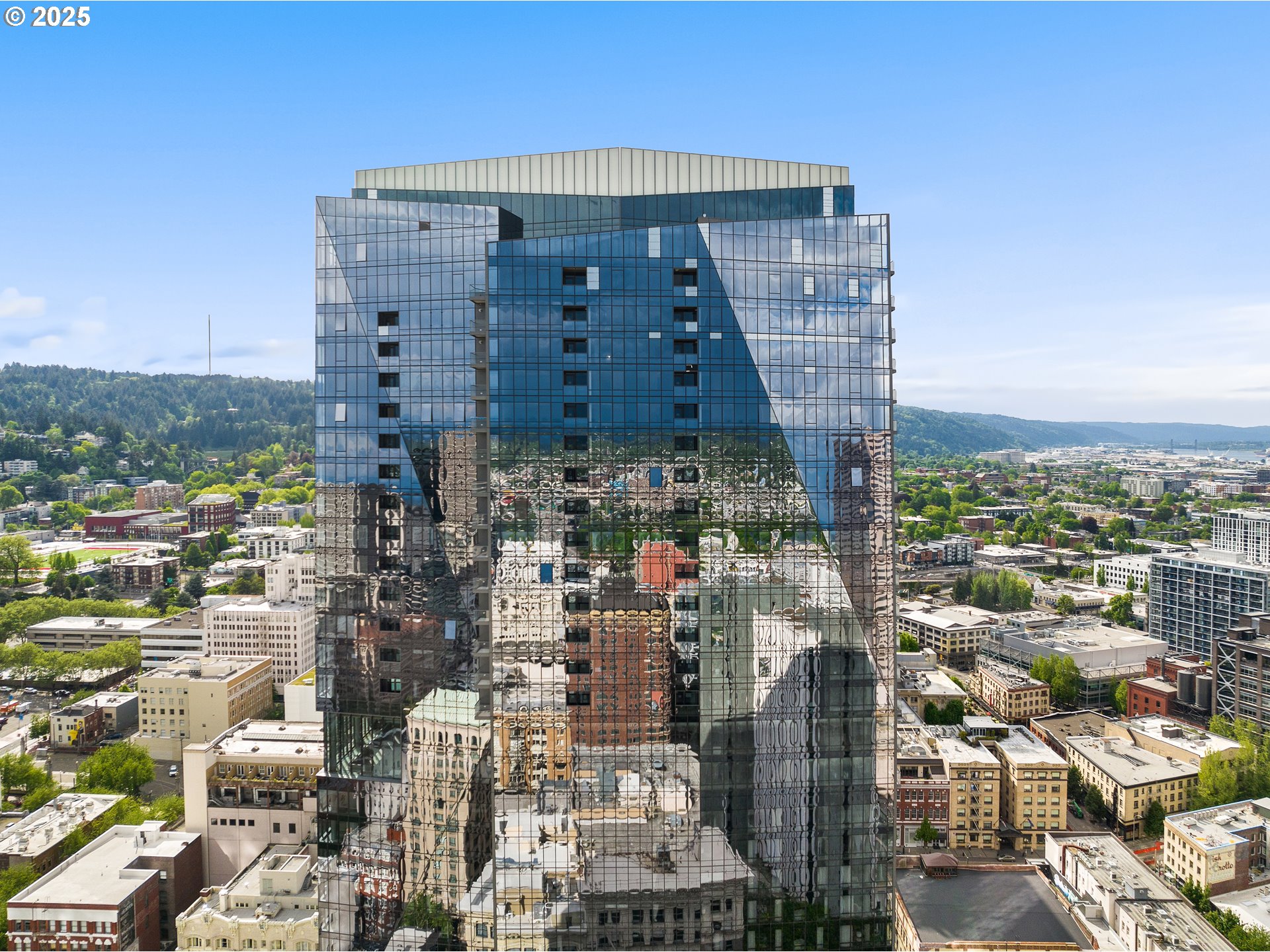
Unlike most major American metro areas that expand endlessly into suburban sprawl, Portland is bounded by Oregon’s pioneering Urban Growth Boundary (UGB). Because outward land development is strictly controlled, Portland has focused its growth vertically and densely within vibrant core districts like the Pearl District, South Waterfront, Northwest 23rd, and the Central Eastside. Buying a condo here gives you direct access to one of the most transit-connected, car-light urban ecosystems in North America—complete with the MAX light rail, the Portland Streetcar, and extensive protected bike lines. In other parts of Oregon or typical sprawling U.S. cities, condo living often still requires a long, car-dependent commute. In Portland, the UGB ensures your condo sits inside a tight, walkable community where grocery stores, cafes, and culture are steps away, while simultaneously protecting long-term inner-city land value.
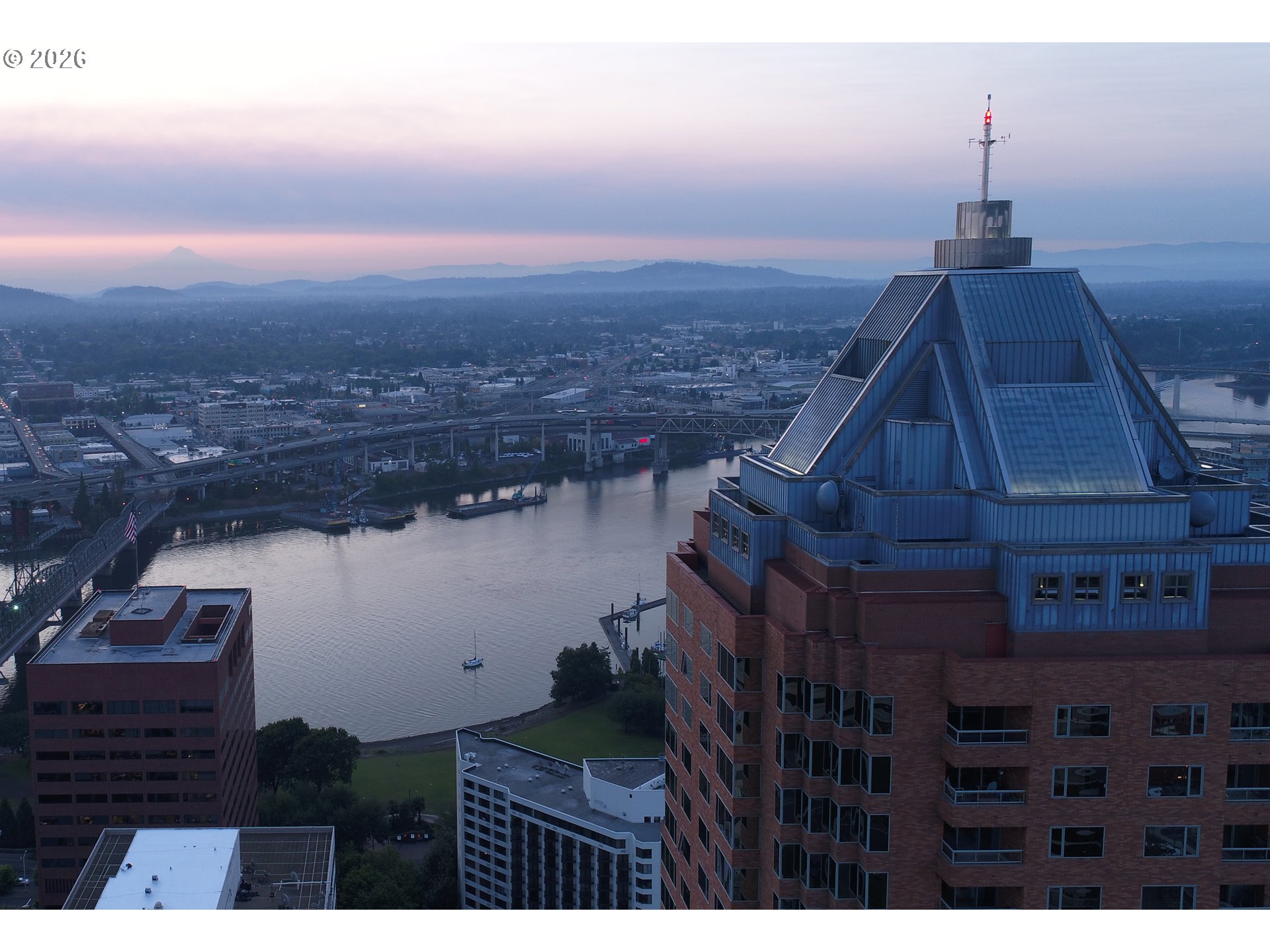
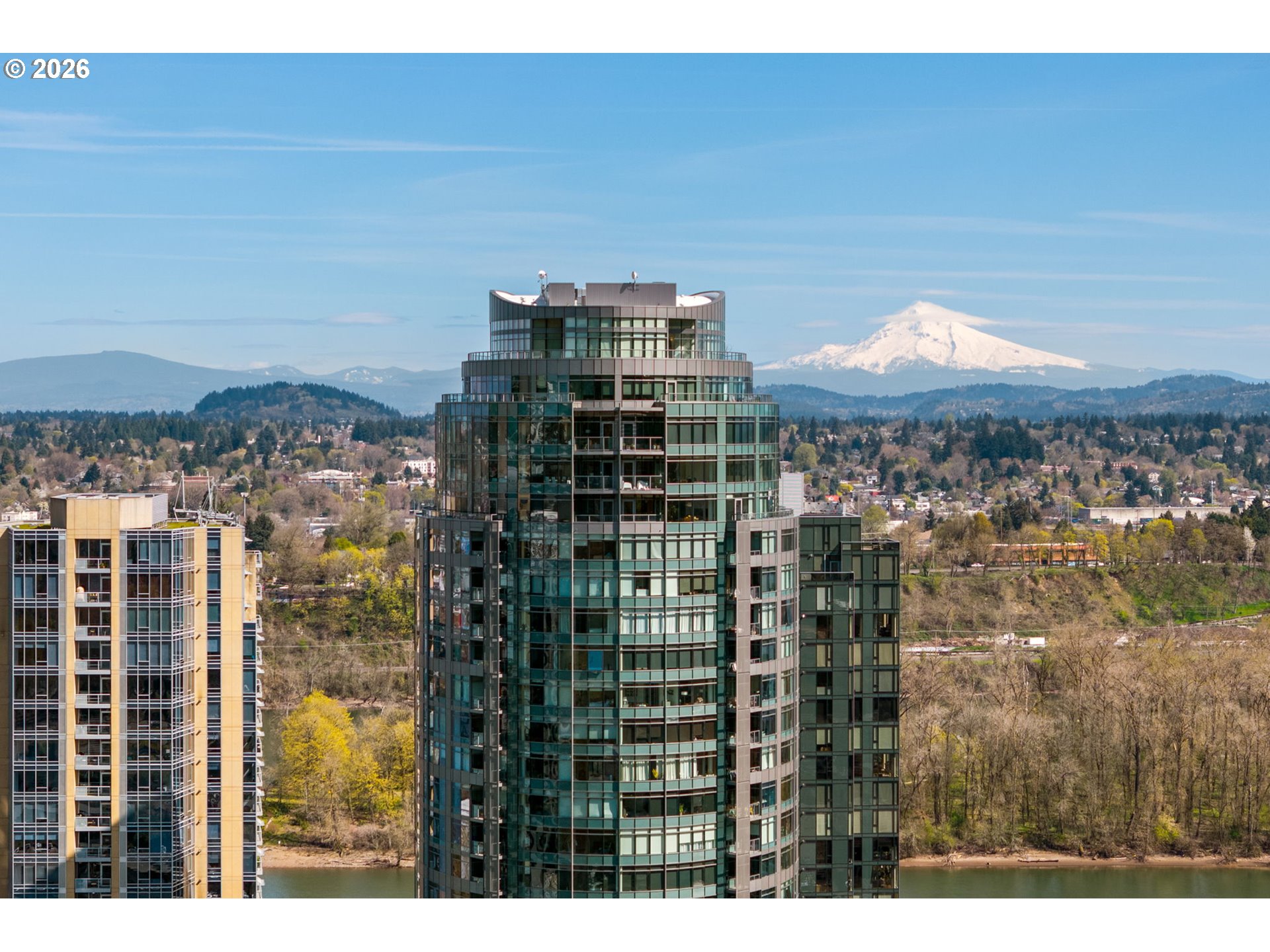
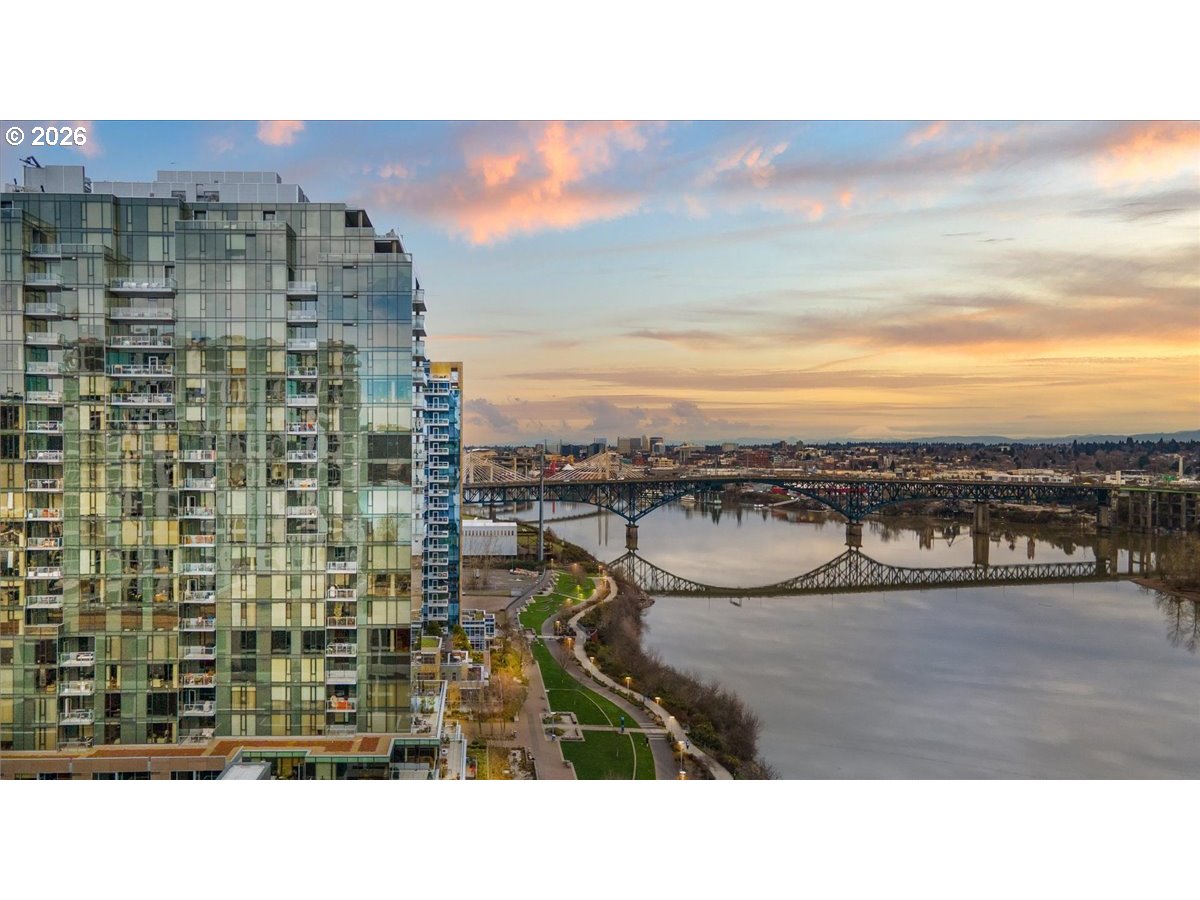
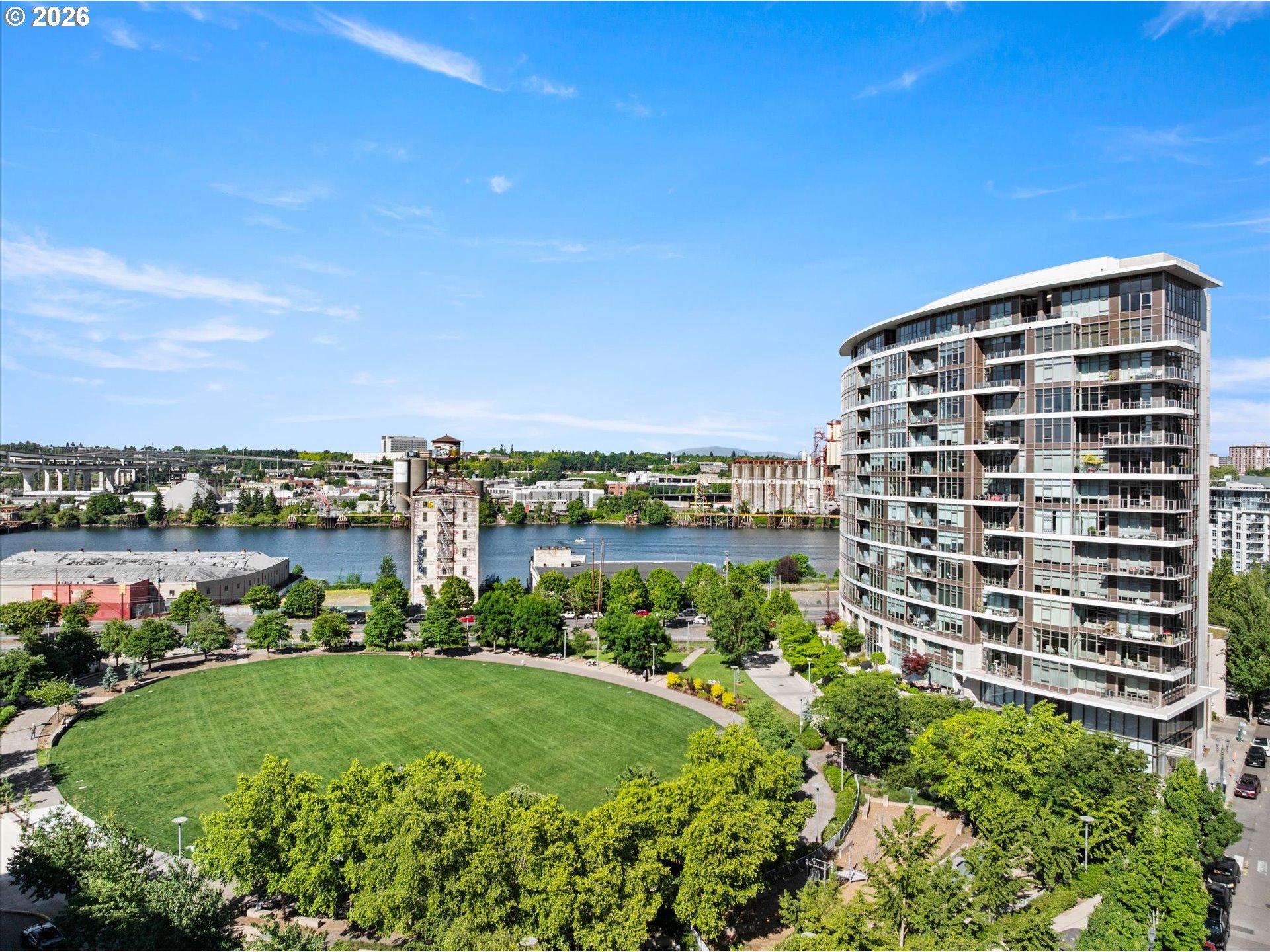
In many major U.S. metropolitan centers, choosing high-density condo living means trading away access to nature and green spaces. Portland uniquely eliminates this compromise by nesting dense, modern condo towers directly alongside expansive natural reserves and riverfront trails. From high-rises in the Pearl District or South Waterfront, you are minutes away from Forest Park—one of the largest urban forest reserves in the country with over 80 miles of hiking trails—alongside Washington Park, the Portland Japanese Garden, and Tom McCall Waterfront Park along the Willamette River. You get the "lock-and-leave," low-maintenance convenience of a condo combined with immediate access to Pacific Northwest old-growth forests, kayaking, and outdoor recreation that few other American urban cores can match.
When compared to neighboring West Coast housing markets like Seattle, San Francisco, or Los Angeles, Portland’s condo market offers an exceptionally attractive balance of lifestyle, amenity, and relative affordability. Condo buyers in Portland can secure modern, energy-efficient (often LEED-certified) buildings with premium amenities like concierge services, rooftop terraces, and dedicated parking at a fraction of the cost per square foot of other major West Coast hubs. Additionally, living in Oregon means benefiting from zero state sales tax. For buyers who want an urban West Coast lifestyle—rich in food culture, microbreweries, performing arts, and tech/design jobs—without the extreme multi-million-dollar barriers to entry found elsewhere on the coast, a Portland condo represents one of the smartest entry points into West Coast homeownership.
Contact us today for expert local advice, private tours, and guidance tailored to your goals. Whether you're navigating your first home purchase or upgrading to your ideal Portland, OR property, we’ll help you move with confidence in one of Oregon’s most sought-after markets.
HOA fees for Portland condos generally range from $400 to over $1,000 per month, heavily depending on the building’s age, square footage, height, and included amenities. In high-rise districts like the Pearl or South Waterfront, these monthly dues typically cover exterior building maintenance, structural insurance, water, sewer, garbage, and access to shared facilities like concierges, gyms, and roof decks. Buyers should carefully examine the HOA’s reserve fund study and insurance history, as rising master-policy rates and delayed structural upkeep can trigger sudden fee increases or costly special assessments.
While detached single-family homes in Portland have seen strong, steady long-term appreciation over the last decade, the local condo market has generally experienced slower price growth and, in some districts, slight price declines. Condos offer a lower entry point into prime central neighborhoods where houses are cost-prohibitive, but higher monthly HOA dues can offset some of that purchase-price savings. As a result, Portland condos tend to be better suited as long-term lifestyle choices—focused on low-maintenance urban living—rather than high-yield speculative investments.
Property taxes in Multnomah County are calculated using the property's "Assessed Value" rather than its current "Real Market Value," capped at a maximum annual increase of 3% for existing structures thanks to Oregon's Measure 50. Consequently, tax bills often reflect historical assessed values that are noticeably lower than recent purchase prices, resulting in an effective tax rate of around 1.1% of market value. However, buyers should remember that local voter-approved bonds and municipal measure additions can still gradually increase the total tax bill over time, regardless of market fluctuations.
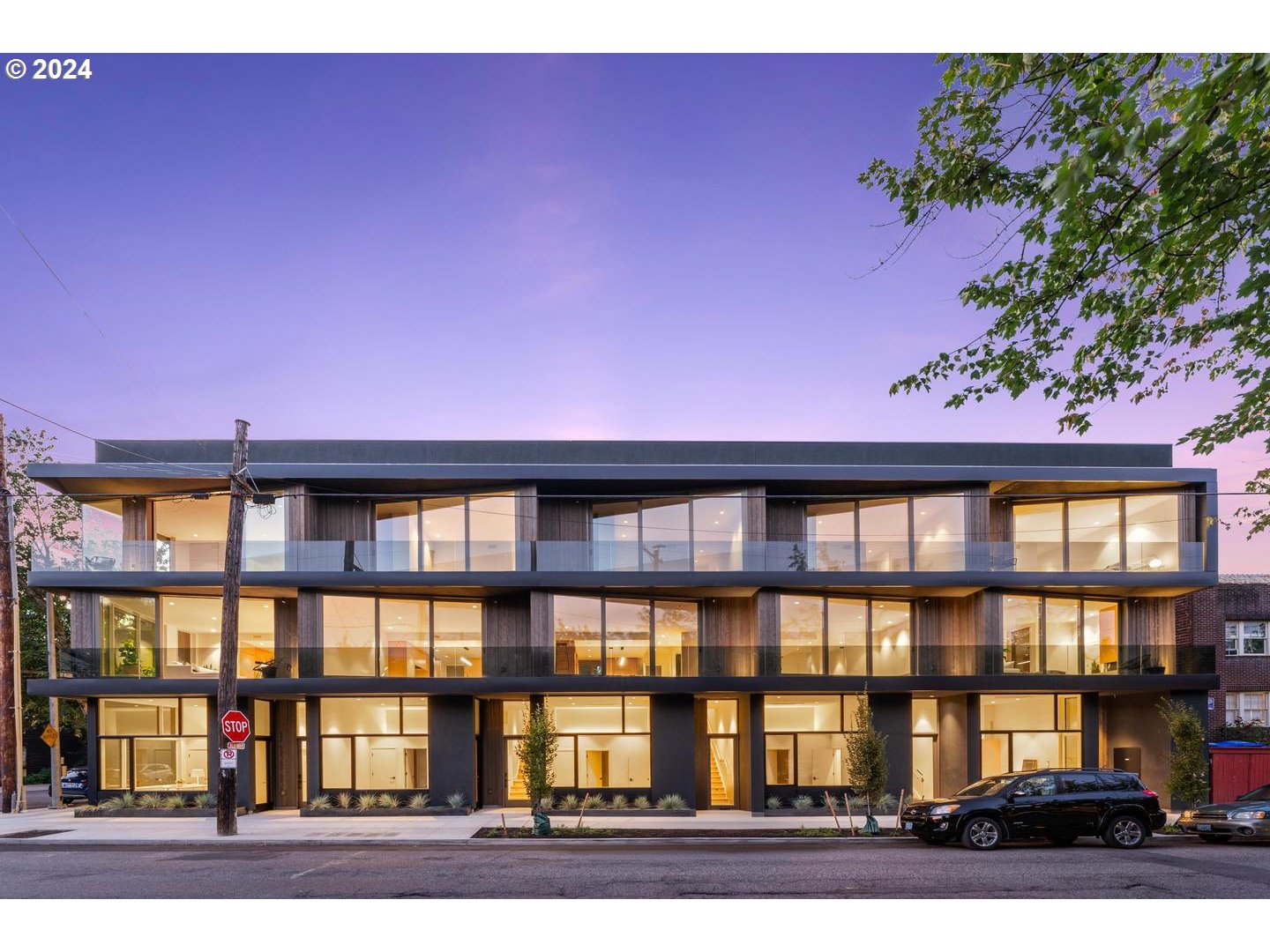
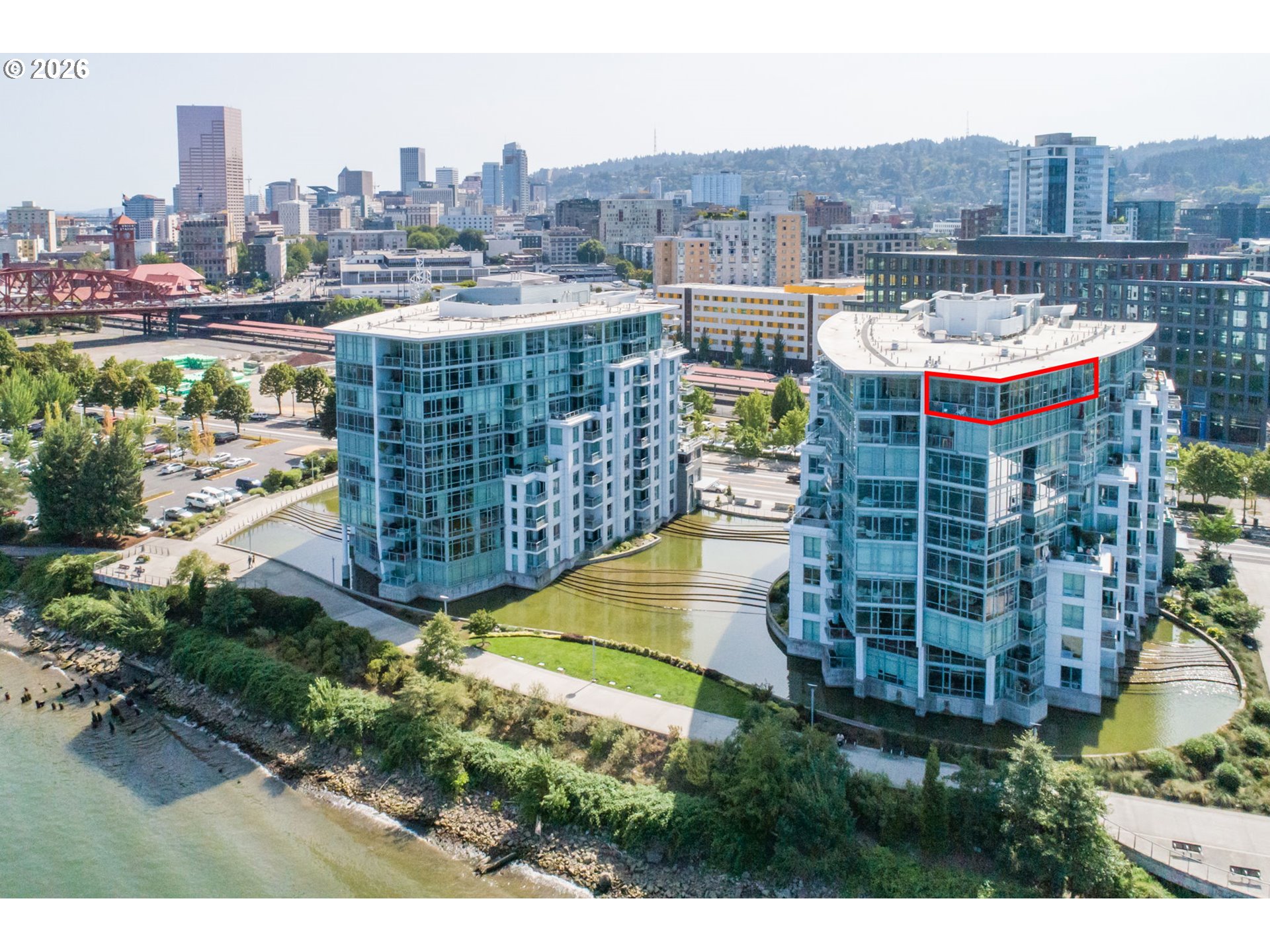
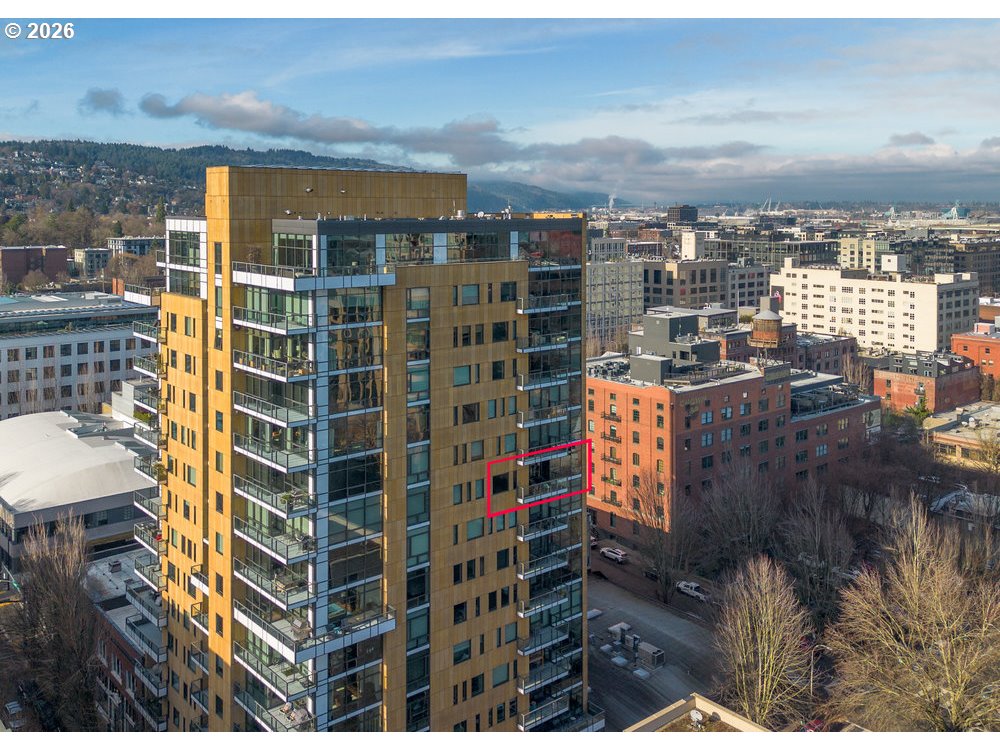
The highest concentration of condo buildings is found in Downtown Portland and its immediately adjacent urban districts, most notably the Pearl District, South Waterfront, and Northwest Portland (Nob Hill). The Pearl District features converted industrial lofts alongside luxury mid- and high-rises, while the South Waterfront is known for modern high-rises situated directly on the Willamette River. Neighborhoods on the Eastside—such as the Central Eastside, Lloyd District, and Kerns—also offer smaller, boutique condo complexes for buyers looking for a historic or residential neighborhood vibe.
Most Portland condo associations enforce strict rental caps, often limiting the percentage of units that can be rented out simultaneously to around 10% to 20% of the building. These caps preserve the owner-occupancy ratios required for buyers to secure standard conventional, FHA, or VA mortgage financing. Additionally, many HOAs outright ban short-term rentals like Airbnb, and the City of Portland enforces its own stringent licensing, safety, and primary-residence requirements on short-term rentals.
Yes, condo buyers need an individual HO-6 insurance policy, which is structured specifically to complement the building’s master insurance policy held by the HOA. While the HOA's master policy covers the overall building structure, roof, and shared common elements, your personal HO-6 policy covers everything "walls-in," including interior fixtures, cabinets, appliances, personal belongings, and personal liability. Crucially, buyers should ensure their HO-6 policy includes adequate loss assessment coverage to protect themselves if the HOA levies an unexpected building-wide charge to cover major uninsured repairs.
Whether you're drawn to a Pearl District loft, a high-rise with skyline views, or a low-maintenance home near the waterfront, The Portera Group is here to help. Reach out with any questions or to start your search—we'll guide you through every step of finding the right condo in Portland.

Discover the charm and character of Portland, OR—one neighborhood at a time. From the tree-lined streets of the West Hills to the vibrant energy of the Pearl District, each area offers its own distinct lifestyle, architecture, and appeal. Explore our Portland neighborhood guide to find the community that feels like home.
We believe informed clients make confident decisions, which is why we love sharing our knowledge beyond the transaction. Our blog goes beyond market trends to offer behind-the-scenes insight into homeownership, neighborhood favorites, home maintenance, and how we guide our clients every step of the way. Whether you’re buying, selling, or investing, you’ll find practical tips, local perspective, and data designed to help you feel prepared.