Portland doesn't reveal itself from a highway off-ramp. It reveals itself one commercial street at a time—a block of food carts here, a century-old bookstore there, a bridge closed to cars but open to everyone else. This guide walks you through what actually defines the city, neighborhood by neighborhood, so you can decide where you fit before you ever set foot on a porch.
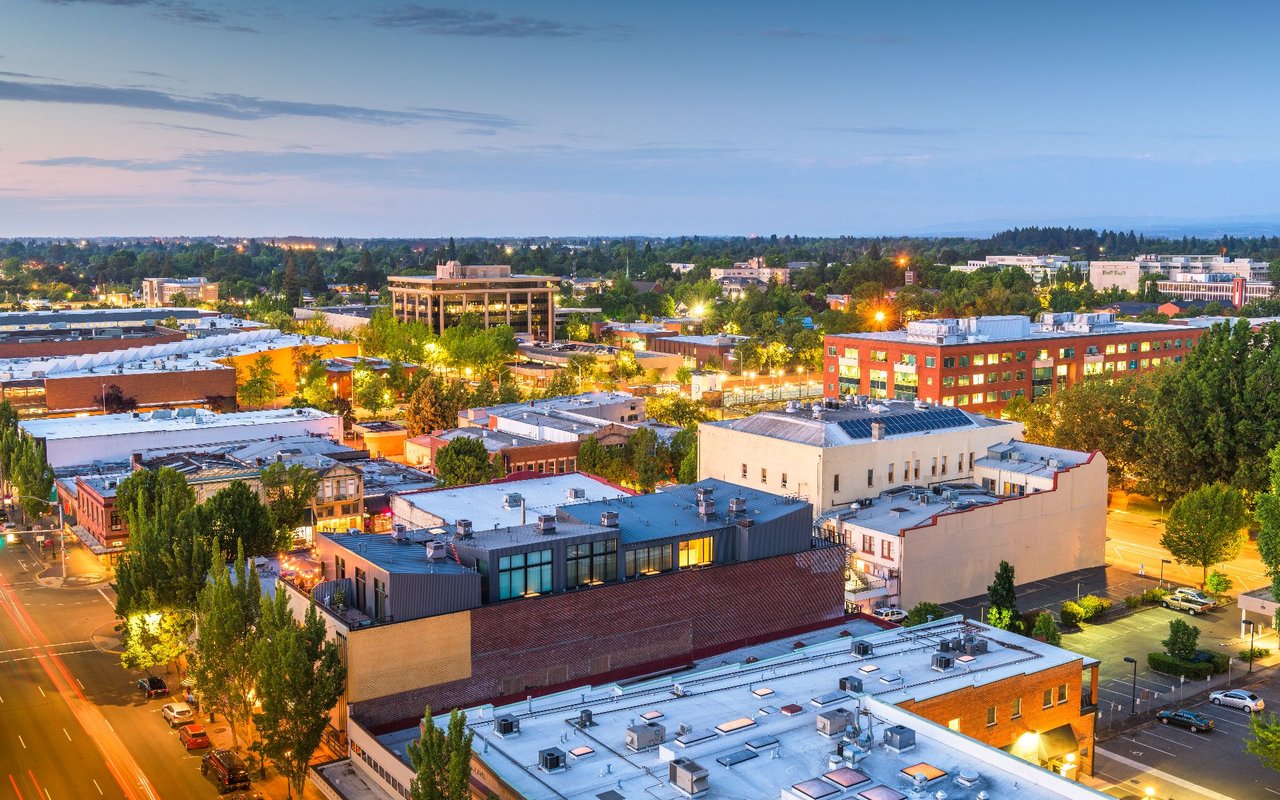
The first thing to understand about Portland is that it isn't organized around a single downtown the way most American cities are. It functions as a collection of "urban villages," each anchored by its own commercial high street stacked with independent coffee shops, microbreweries, and bookstores. The city is split into quadrants—North, Northeast, Northwest, South, Southeast, and Southwest—with the Willamette River dividing the east side from the west. Where you land among them matters more here than in almost any other city, because the personality shifts block to block.
A few neighborhoods capture the range:
The thread running through all of it is the "Keep Portland Weird" ethos—a genuine preference for the independent and the handmade over the polished and the corporate.
Long before any settler arrived, this was a trade and fishing hub for Indigenous peoples, primarily the Multnomah and Clackamas tribes of the Chinookan nation, whose rivers ran thick with salmon. The city as we know it was established in 1843 by William Overton and Asa Lovejoy. When it came time to name the place, Lovejoy (from Massachusetts) wanted "Boston," while Francis Pettygrove (from Maine) wanted "Portland." They settled it with a best-of-three coin toss. Pettygrove won. That coin still exists.
The nickname "Stumptown" came soon after. The timber boom cleared trees so fast that stumps were left standing all over the streets, and residents hopped from stump to stump to avoid the mud. By the late 1800s, Portland was a raucous port town with a dark reputation for "shanghaiing"—men kidnapped from waterfront saloons and forced onto ships through a network of underground basements known as the Shanghai Tunnels. The 1905 Lewis and Clark Centennial Exposition put the city on the national map and triggered a building boom.
The most consequential chapter, though, came in the 1970s. While other American cities were bulldozing freeways through their downtowns, Portland did the opposite—it tore one out to build a waterfront park, drew a strict Urban Growth Boundary to stop sprawl, and laid the groundwork for the transit system it's now famous for. That single era of planning explains more about how the city feels today than anything else. Modern Portland balances its working-class timber-and-shipping roots with a tech and creative identity anchored by the "Silicon Forest" corridor and Nike's headquarters in nearby Beaverton.
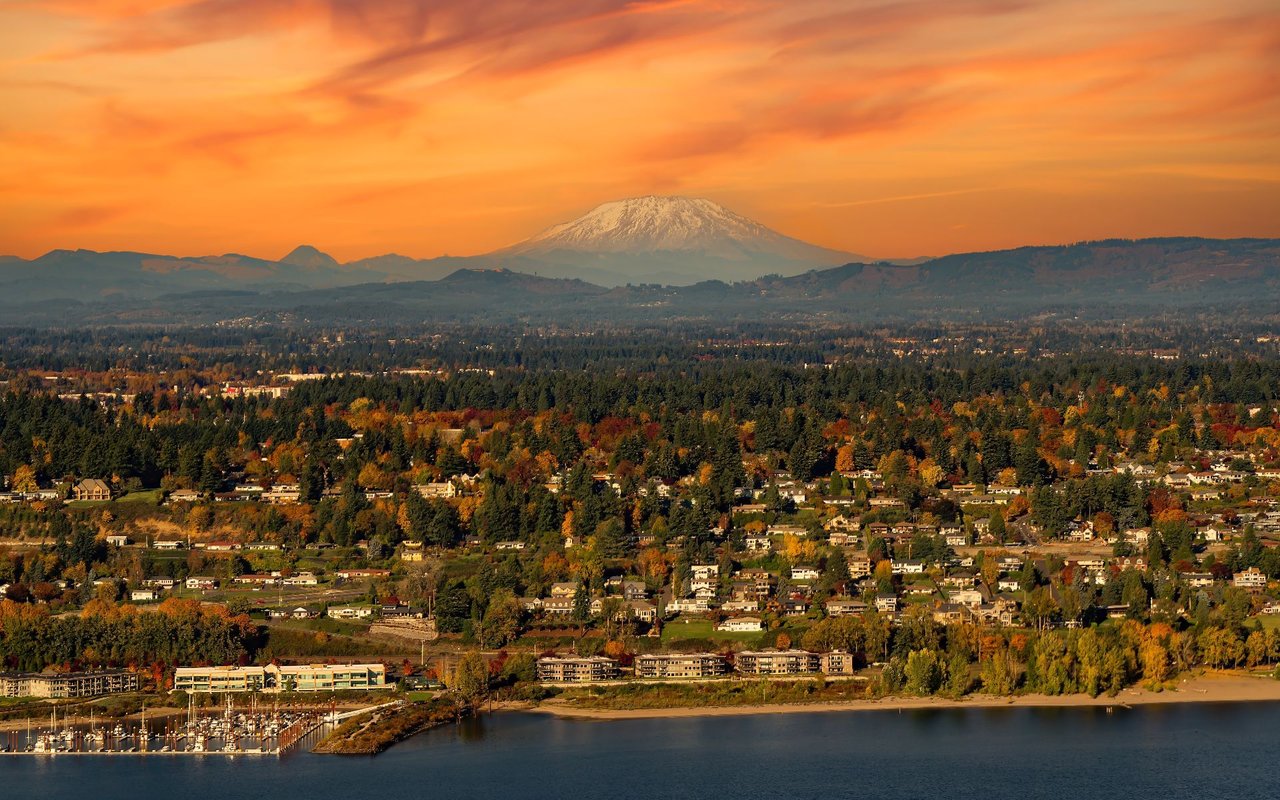
Portland sits in the northwestern corner of Oregon, just south of the Washington border, in the fertile Willamette Valley. It's hemmed by two mountain ranges: the Coast Range to the west and the volcanic Cascade Range—including Mt. Hood—to the east. Two rivers dictate the city's entire geography. The massive Columbia River forms the northern boundary, separating Portland from Vancouver, Washington. The Willamette slices straight through the middle, creating the east/west divide that shapes daily life here.
That divide is more than symbolic. The West Side (NW, SW) is hilly and topographic, holding the dense downtown core, historic brick apartment districts, and the wilderness of Forest Park. The East Side (N, NE, SE, and the South quadrant) is mostly flat, laid out on a predictable, walkable grid, and home to the bulk of the city's bungalow-lined, character-rich neighborhoods. One quirk worth knowing: Portland officially added its sixth quadrant, "South," in 2020 to fix a long-standing address-numbering glitch—so older references to "five quadrants" aren't wrong, just outdated.
Portland is widely treated as the gold standard for American urban transit, and it earned that reputation by design rather than accident. The regional agency, TriMet, runs an integrated web of buses, light rail, and streetcars; you tap a phone or transit card, and the system automatically caps your daily fare. The MAX Light Rail is the spine, with five color-coded lines connecting suburbs like Beaverton and Gresham to downtown and directly to the airport (PDX). The Portland Streetcar loops through the dense central neighborhoods, linking the South Waterfront, Downtown, the Pearl, and the Lloyd District.
For anyone moving on foot or by bike, the numbers tell the story. The city posts an overall Walk Score around 74, but central neighborhoods like Downtown, the Pearl, and Kerns hit 94–99—meaning everyday errands genuinely require no car. Its Bike Score sits around 83, tying it with the top tier of American cycling cities, with neighborhoods like Boise and Sunnyside reaching 99.
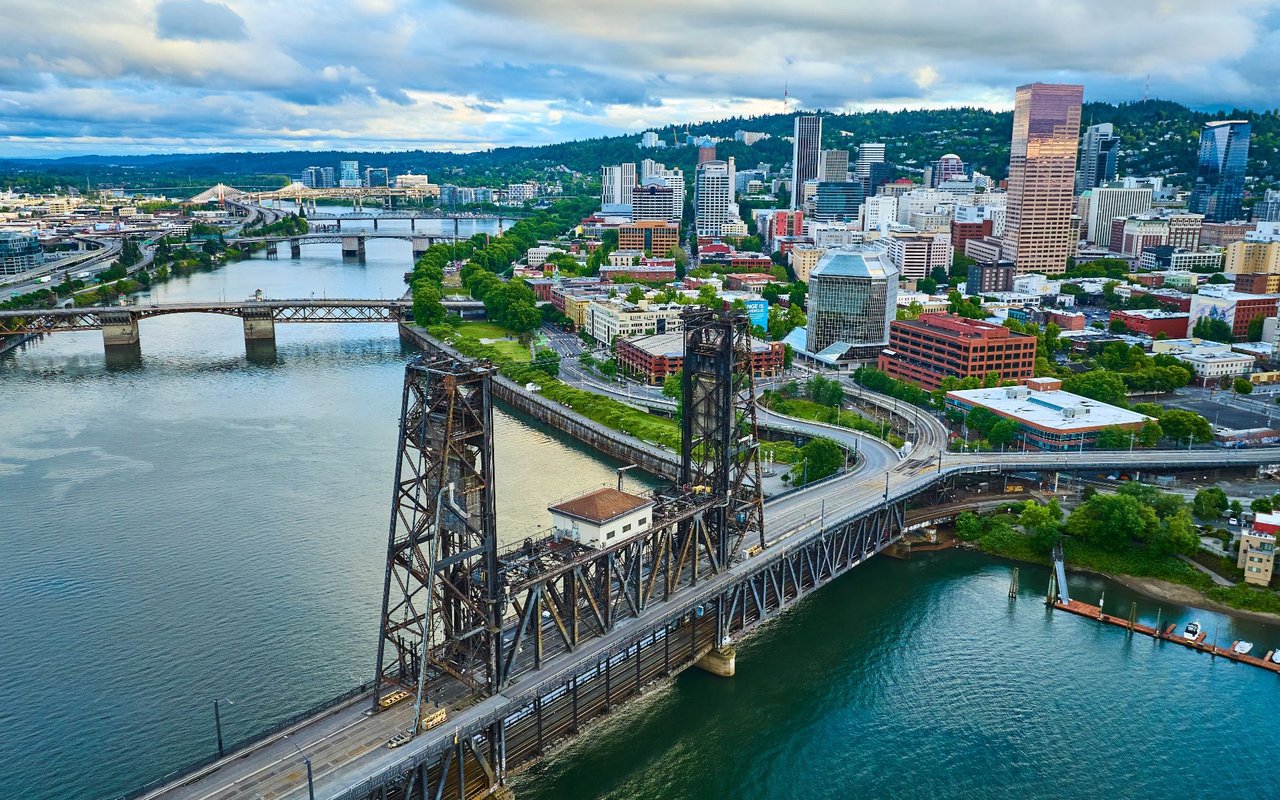
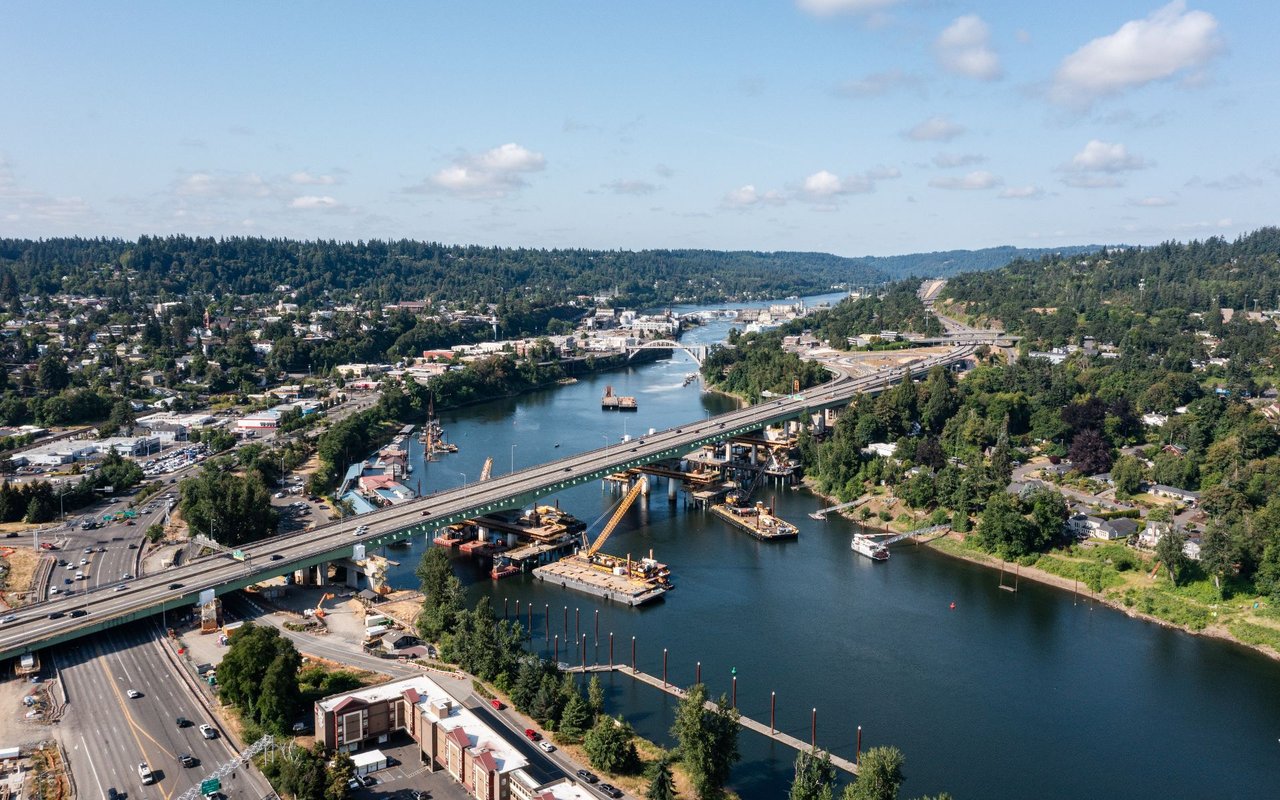
Two pieces of infrastructure deserve special mention. The first is Portland's Neighborhood Greenways—over 70 miles of low-traffic residential streets engineered with speed humps and traffic diverters to keep cars slow and sparse, creating quiet bike-and-pedestrian corridors right through the city. The second is the bridge network. Because the river cuts the city in two, Portland's twelve bridges are its lifelines, and the crown jewel is the Tilikum Crossing ("Bridge of the People"), opened in 2015 and closed entirely to private cars—only transit, bikes, and pedestrians cross it. One more sign of where the city is headed: nearly one in four cyclists here now rides an e-bike, which has made the hilly West Side and longer cross-town commutes far more accessible.
Portland's housing market has stabilized significantly, and it offers something increasingly rare on the West Coast—more space for the money than hyper-expensive tech hubs like San Francisco or Seattle, while still running above the national average. Single-family home prices generally hover in the $535,000 to $555,000 range, and the average monthly rent sits around $1,725, notably below the national average.
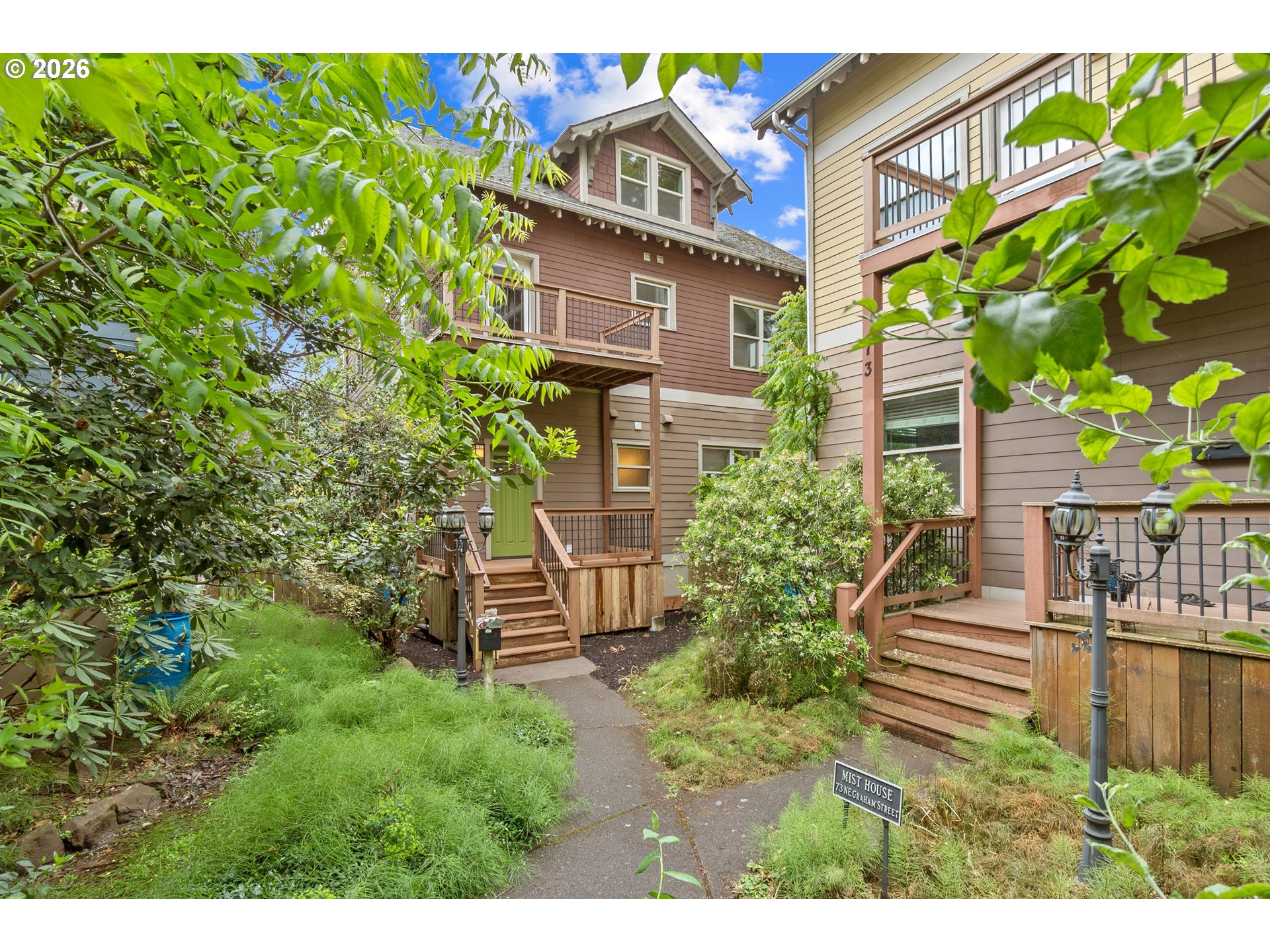
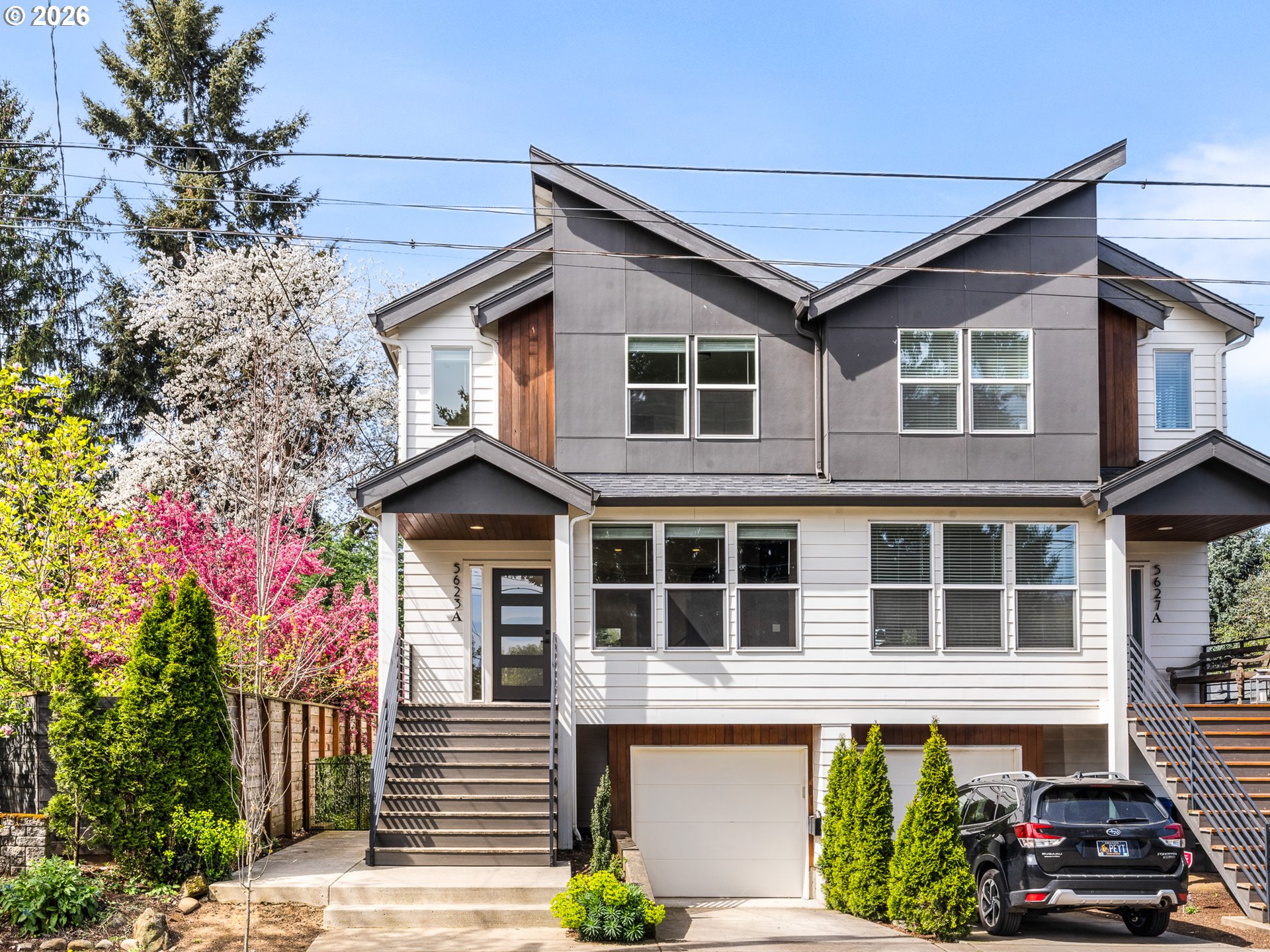
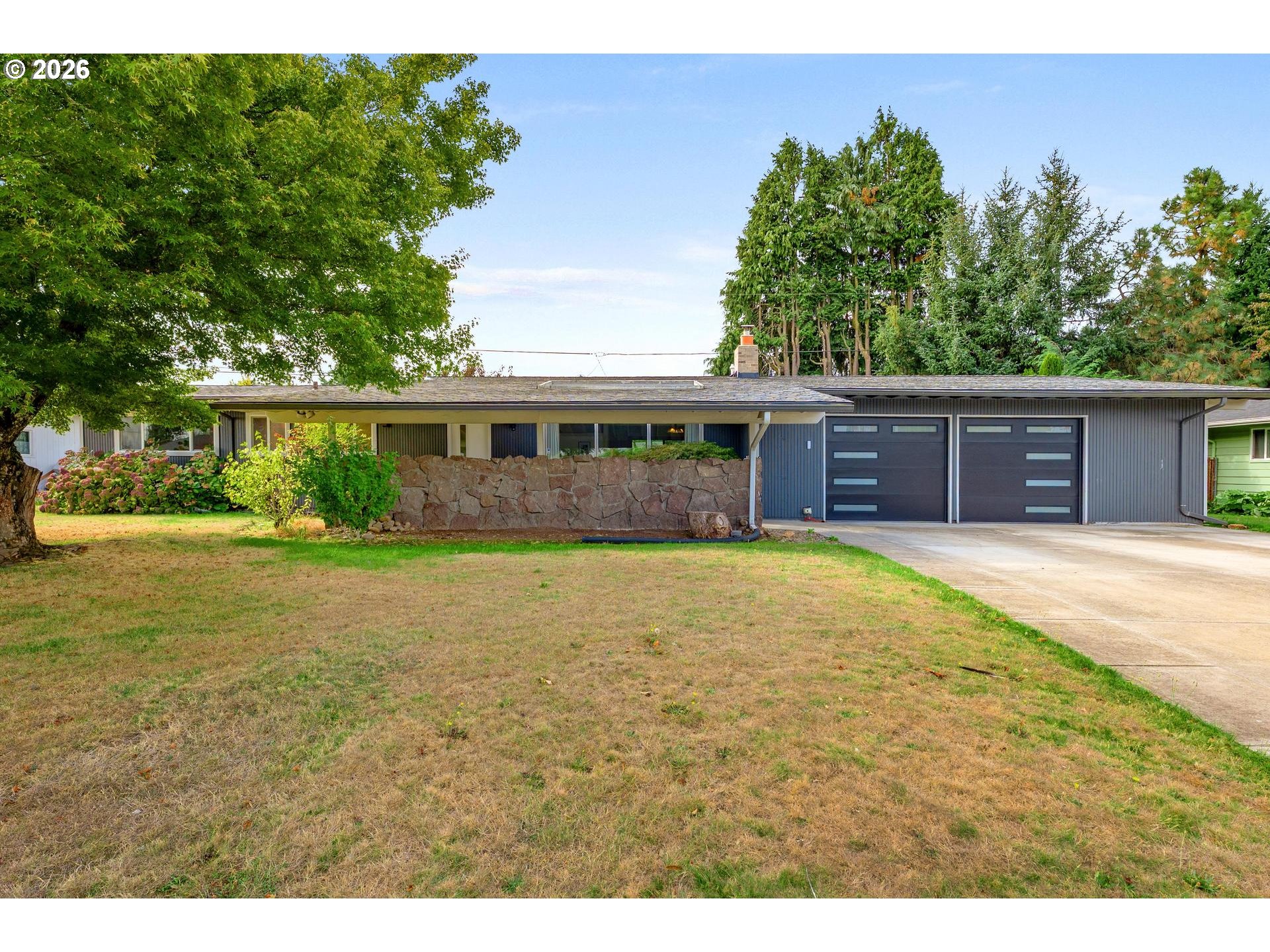
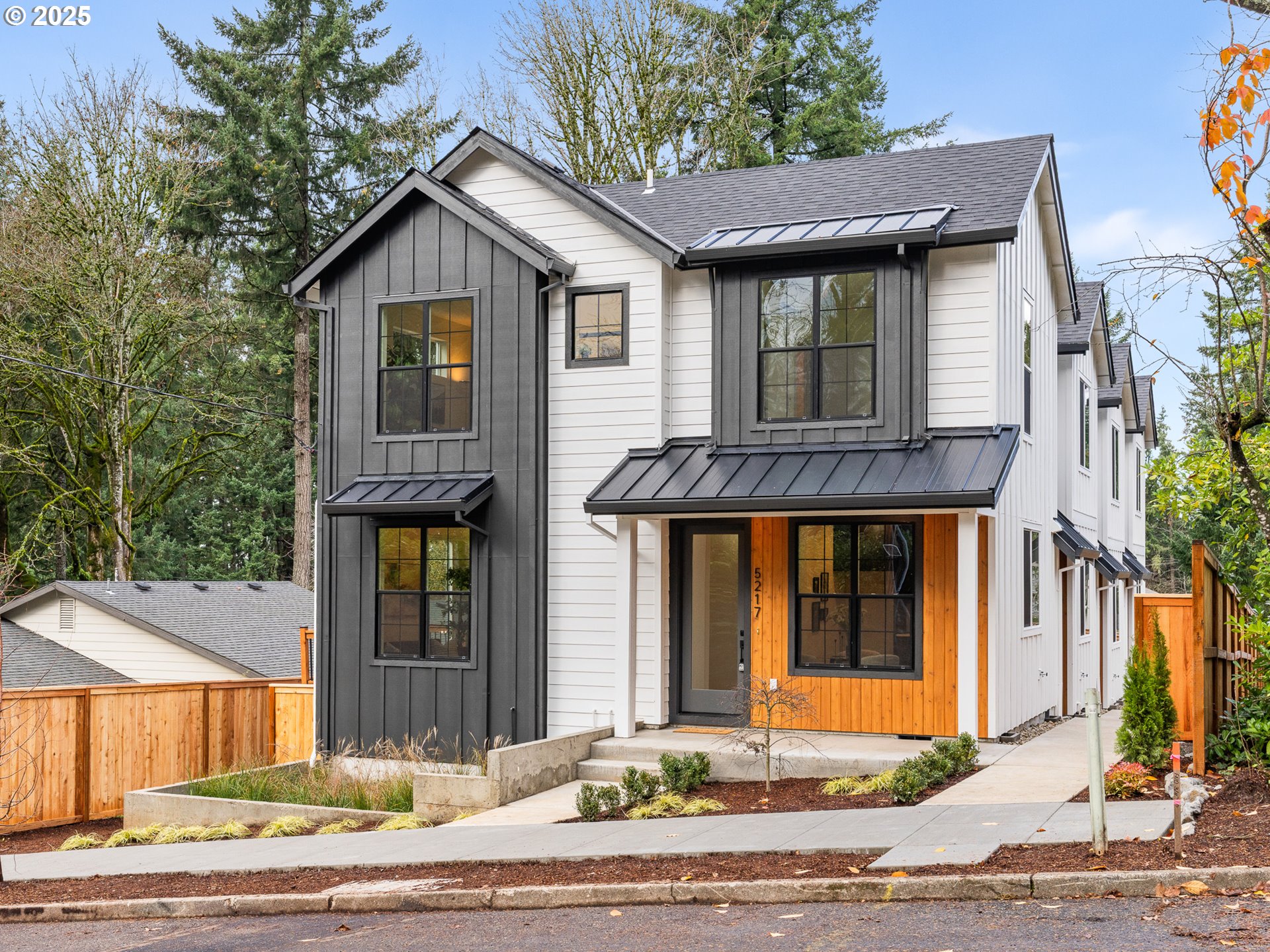
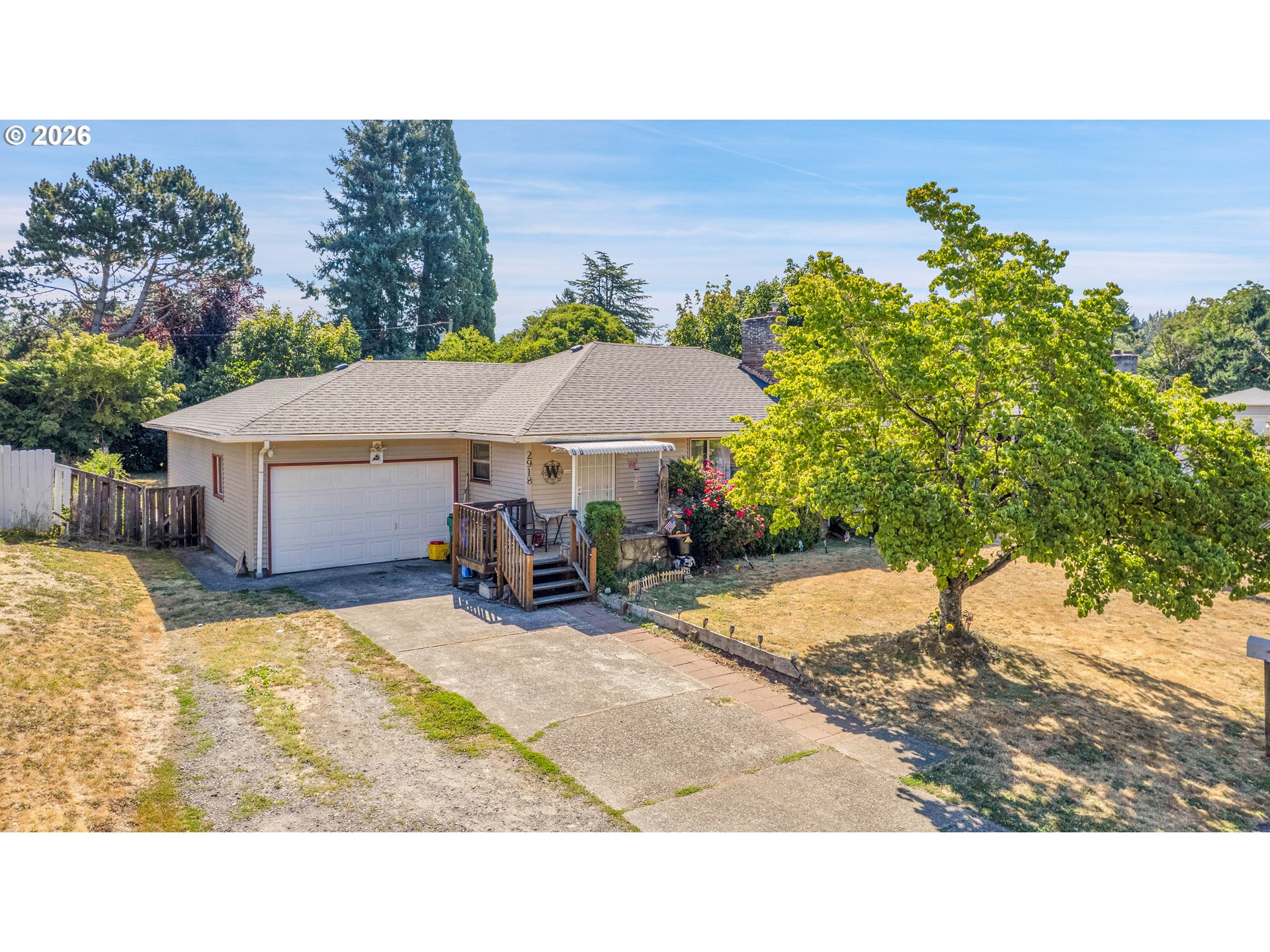
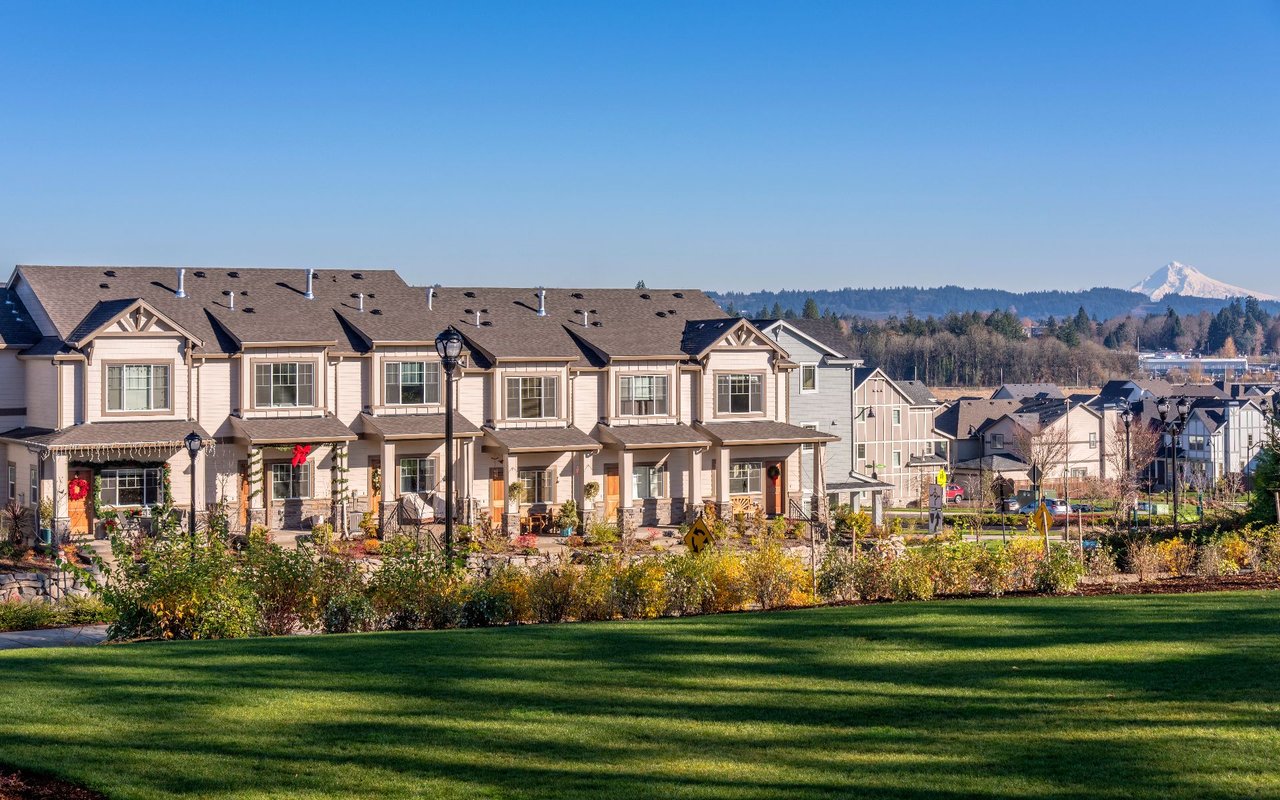
What sets Portland apart isn't the price, though—it's the architecture. The city is famous for preserving its historic residential housing stock, and the styles map cleanly onto its geography:
If you're weighing a glass condo in the central core against a 1912 bungalow on a quiet greenway, you're really choosing between two different versions of the city—and that choice is where a knowledgeable local agent earns their keep.
Portland's food scene is world-class without ever being pretentious, and that's not an accident of marketing—it's the culture. The finest kitchens here obsess over hyper-local sourcing from Pacific Northwest farms, mushroom foragers, and coastal fisheries, then serve it in relaxed, unfussy rooms.
You can't talk about eating here without the food cart pods. Rather than trucks roaming the streets, Portland clusters dozens of permanent carts in neighborhood lots, usually built around a central beer garden with string lights and fire pits. The pods act as low-overhead incubators where chefs test wild concepts before going brick-and-mortar—and in a single pod you'll find Oaxacan mole next to Hmong barbecue next to Egyptian street food. Beyond the carts, the scene has splintered into specific micro-hubs: a pop-up and micro-restaurant boom in neighborhoods like Montavilla and Cully; the Jade District along 82nd Avenue, the city's most dynamic international corridor for regional Vietnamese, Sichuan, and Filipino cooking; and quiet pizza destinations like Woodstock leaning on long-fermented doughs and local chanterelles. For the heavy hitters, icons like Le Pigeon (French technique on Oregon ingredients) and Ox (Argentine live-fire cooking) continue to anchor the city's serious-dining reputation.
Portland's drink culture is legendary on two fronts. It helped pioneer the "Third Wave" coffee movement—treating coffee as an artisanal food rather than a commodity—and it has long been dubbed "Beervana" for having one of the highest concentrations of craft breweries in the world.
On the coffee side, while Stumptown Coffee Roasters put the city on the global map, the local scene has matured into a diverse ecosystem of independent roasters. Coava is known for airy, industrial-chic bamboo spaces and custom metal filters that highlight clean single-origin notes; Proud Mary, originally from Melbourne and now rooted in Alberta, treats coffee as a full culinary experience; and Deadstock, in Old Town Chinatown, breaks the quiet-café stereotype entirely by building its identity around sneakerhead culture and local art.
The beer scene, meanwhile, has quietly evolved. Portland was built on bitter, heavy West Coast IPAs, and those remain on every menu, but the energy has shifted toward technique-driven lagers, crisp pilsners, and barrel-aged sours. Great Notion pioneered "culinary beers" that taste uncannily like blueberry muffins or key lime pie; Breakside is the gold standard for flawlessly executed Pacific Northwest styles; and Wayfinder sits at the front of the lager renaissance with old-world German techniques and impeccably clean finishes.
Portland's retail landscape fiercely protects its independents. Between zoning laws, neighborhood character, and plain civic pride, national big-box chains have a hard time taking root in the central neighborhoods—so shopping here is intensely local. And there's a built-in bonus: Oregon has no state sales tax, so the price on the tag is exactly what you pay.
Two institutions define the experience. Powell's City of Books occupies an entire city block in the Pearl, housing over a million new and used books across nine color-coded rooms—a literal labyrinth and a cornerstone of the city's intellectual identity. The Portland Saturday Market, running along the riverfront from March through Christmas Eve, is the nation's largest continuously operating open-air arts-and-crafts market, where every item sold must be handmade by the vendor selling it.
The real way to shop Portland, though, is to park the car (or lock the bike) and walk a high street. NW 23rd Avenue—the "Alphabet District"—offers tree-lined blocks of Victorian homes converted into upscale boutiques and home-goods shops. SE Division and Hawthorne are the vintage hunter's territory, full of mid-century furniture warehouses and indie record stores like Music Millennium. And NE Alberta Street is the go-to for locally made goods, from hand-printed stationery to boutique plant shops.
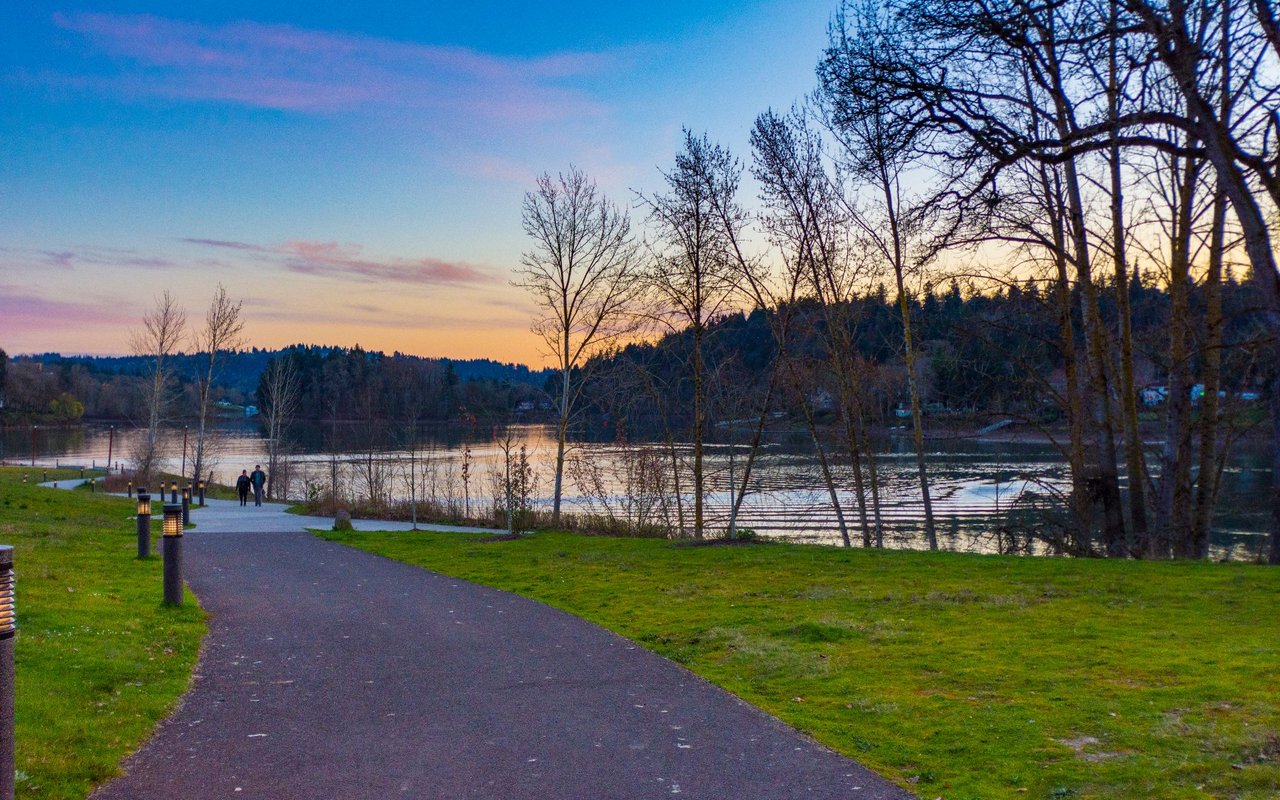
Portland is a city fundamentally intertwined with nature, and its planning laws have preserved enormous green space inside the city limits—so nearly every resident lives a short walk from a park. Three define the city's outdoor identity:
Portland's cultural life leans away from glitz and toward the raw, authentic, and community-driven. The Portland Art Museum, the oldest in the Pacific Northwest, holds a remarkable collection of Native American art and modern work, recently unified by the striking Mark Rothko Pavilion. On the performance side, the Portland Center for the Performing Arts hosts the Oregon Symphony and major touring shows, while historic venues like the Crystal Ballroom—famous for its "floating" sprung dance floor—and the Doug Fir Lounge keep a steady stream of indie and underground music flowing.
But the true cultural phenomenon here is soccer. Centered at historic Providence Park, matches for the MLS Portland Timbers and NWSL Portland Thorns feel more like European or South American fixtures than typical American sporting events. The Timbers Army and Rose City Riveters fill the stands with hand-painted tifos, synchronized chants, and clouds of green smoke—and when the Timbers score, a real lumberjack named Timber Joey cuts a slab off a giant log with a chainsaw and gifts it to the scorer. The city cheers passionately for the NBA's Trail Blazers, too, but soccer is the one that defines it.
Portland offers families a genuinely unique mix of progressive values and easy access to nature, with one important caveat to understand going in. The primary district, Portland Public Schools (PPS), stands out for its extensive Dual-Language Immersion programs—Spanish, Japanese, Mandarin, Russian, and Vietnamese—and its arts focus, with highly ranked high schools like Lincoln and Grant sitting on modern, rebuilt campuses. At the same time, like many urban districts, PPS is navigating post-pandemic headwinds, including a roughly $50 million budget shortfall driven by declining birth rates and structural funding gaps. That reality leads many families to look closely at where exactly they buy—some opt for stable suburban systems in places like Lake Oswego or Beaverton, others for Portland's strong network of private and parochial schools.
Where the city shines unambiguously for families is civic infrastructure. The Oregon Museum of Science and Industry (OMSI) on the central waterfront is an elite children's museum with hands-on labs, a planetarium, and a real retired Navy submarine docked for tours. Washington Park features a castle-like playground, and Oaks Amusement Park in Southeast offers a historic roller rink and classic rides right on the river.
Portland isn't trying to be New York or Los Angeles, and it shouldn't be measured against them. It's a distinct, deeply stylized city that rewards specific kinds of people:
It's worth being honest about who might struggle here, too. The corporate ladder-climber chasing the fast-paced financial intensity of San Francisco or Seattle may find Portland's economy slower-paced. And sun-seekers should know the Pacific Northwest drizzle is real—summers are spectacular and dry, but the skies run grey from October to May. If constant sunshine is non-negotiable for your mood, the climate will test you.
Choosing the right Portland neighborhood is a deeply personal decision, and it helps to have people who know these streets, schools, and market rhythms firsthand. The Portera Group—Amy Walsh-Droukas and Ben Droukas—is a husband-and-wife team bringing over 30 years of combined experience to every transaction. Amy is a Principal Broker in Oregon and Broker in Washington who works with first-time buyers, seasoned investors, and luxury clients alike, and serves on the Board of Directors for both the State of Oregon and the Portland Metropolitan Association of REALTORS®. Ben, a native Oregonian who began his career in 2004, has helped clients buy and sell more than 3,000 homes and is recognized regionally for his market knowledge and negotiation skill. As designated Homes for Heroes® agents, they give a portion of their commission back at closing to the heroes who strengthen our communities. Every partnership starts with a personal consultation, so they can listen, learn your goals, and build a strategy tailored to you. Reach Amy at [email protected] or (408) 761-0036, or Ben at [email protected] or (503) 522-4645—their office is at 220 A Ave Ste 200, Lake Oswego, OR 97034.
642,715 people live in Portland, where the median age is 38.6 and the average individual income is $55,312. Data provided by the U.S. Census Bureau.
Total Population
Median Age
Population Density Population Density This is the number of people per square mile in a neighborhood.
Average individual Income
There's plenty to do around Portland, including shopping, dining, nightlife, parks, and more. Data provided by Walk Score and Yelp.
Explore popular things to do in the area, including Fresh N Lean, Aztec on Broadway, and Rose's Restaurant.
| Name | Category | Distance | Reviews |
Ratings by
Yelp
|
|---|---|---|---|---|
| Dining | 0 miles | 0 reviews | 0/5 stars | |
| Dining · $$ | 0.14 miles | 335 reviews | 3.2/5 stars | |
| Dining | 0.22 miles | 0 reviews | 0/5 stars | |
| Shopping | 0.16 miles | 1 review | 3/5 stars | |
| Shopping | 0.24 miles | 0 reviews | 0/5 stars | |
| Shopping | 0.27 miles | 4 reviews | 2/5 stars | |
| Shopping | 0.33 miles | 5 reviews | 2.8/5 stars | |
| Shopping | 0.34 miles | 0 reviews | 0/5 stars | |
| Shopping | 0.35 miles | 0 reviews | 0/5 stars | |
| Shopping | 0.35 miles | 5 reviews | 2.6/5 stars | |
| Active | 0.2 miles | 0 reviews | 0/5 stars | |
| Active | 0.34 miles | 2 reviews | 5/5 stars | |
| Active | 0.35 miles | 8 reviews | 5/5 stars | |
| Beauty | 0.14 miles | 0 reviews | 0/5 stars | |
| Beauty | 0.16 miles | 33 reviews | 2.5/5 stars | |
| Beauty | 0.19 miles | 1 review | 5/5 stars | |
| Beauty | 0.19 miles | 14 reviews | 4.5/5 stars | |
| Beauty | 0.22 miles | 13 reviews | 4.2/5 stars | |
| Beauty | 0.22 miles | 8 reviews | 4.6/5 stars | |
| Beauty | 0.28 miles | 78 reviews | 4.6/5 stars | |
| Beauty | 0.32 miles | 6 reviews | 5/5 stars | |
| Beauty | 0.34 miles | 0 reviews | 0/5 stars | |
| Beauty | 0.34 miles | 6 reviews | 5/5 stars | |
| Beauty | 0.34 miles | 0 reviews | 0/5 stars | |
|
|
||||
|
|
||||
|
|
||||
|
|
||||
|
|
||||
|
|
Portland has 287,030 households, with an average household size of 2.18. Data provided by the U.S. Census Bureau. Here’s what the people living in Portland do for work — and how long it takes them to get there. Data provided by the U.S. Census Bureau. 642,715 people call Portland home. The population density is 4,816 and the largest age group is Data provided by the U.S. Census Bureau.
Total Population
Population Density Population Density This is the number of people per square mile in a neighborhood.
Median Age
Men vs Women
Population by Age Group
0-9 Years
10-17 Years
18-24 Years
25-64 Years
65-74 Years
75+ Years
Education Level
Total Households
Average Household Size
Average individual Income
Households with Children
With Children:
Without Children:
Marital Status
Blue vs White Collar Workers
Blue Collar:
White Collar: