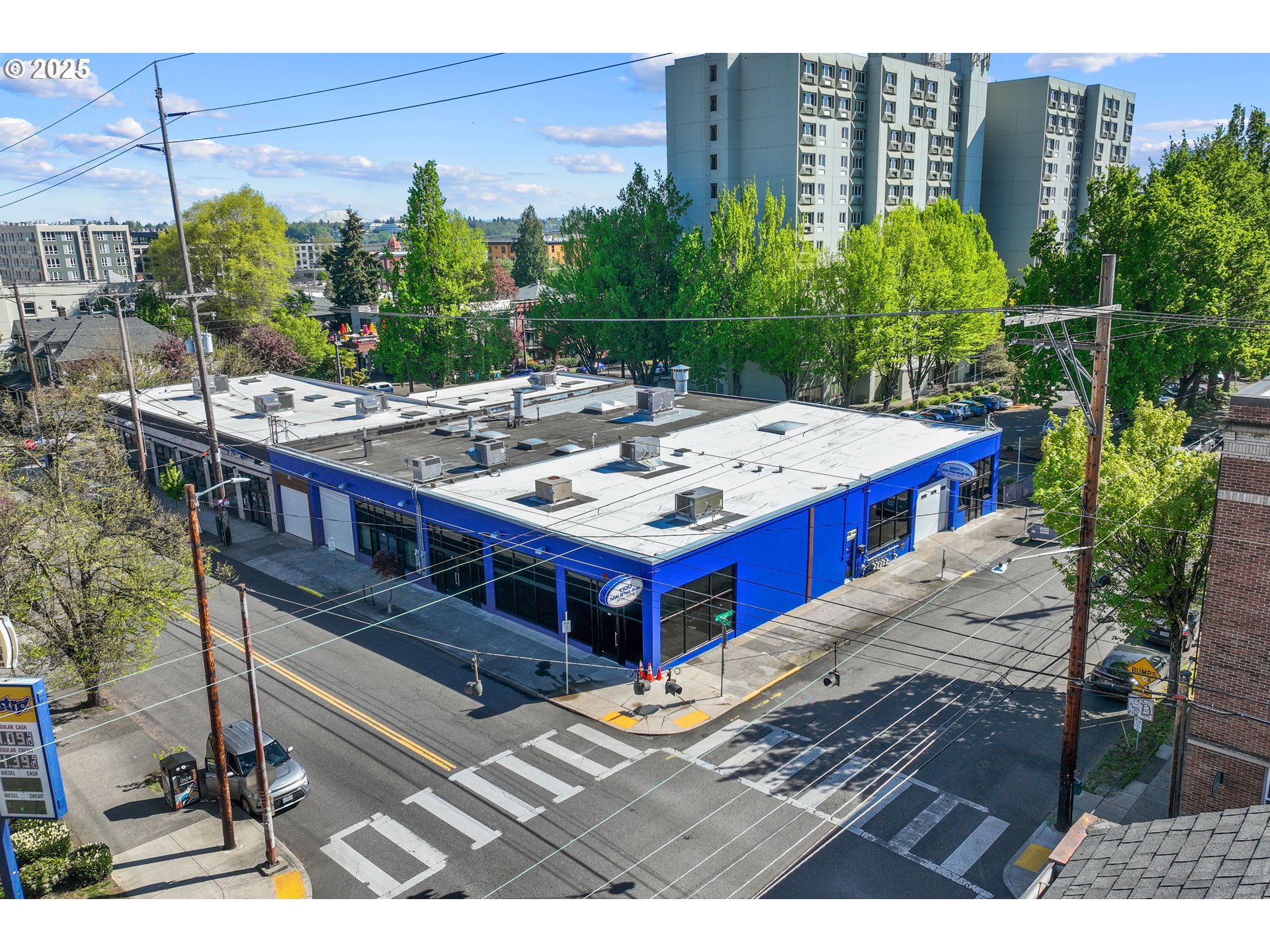
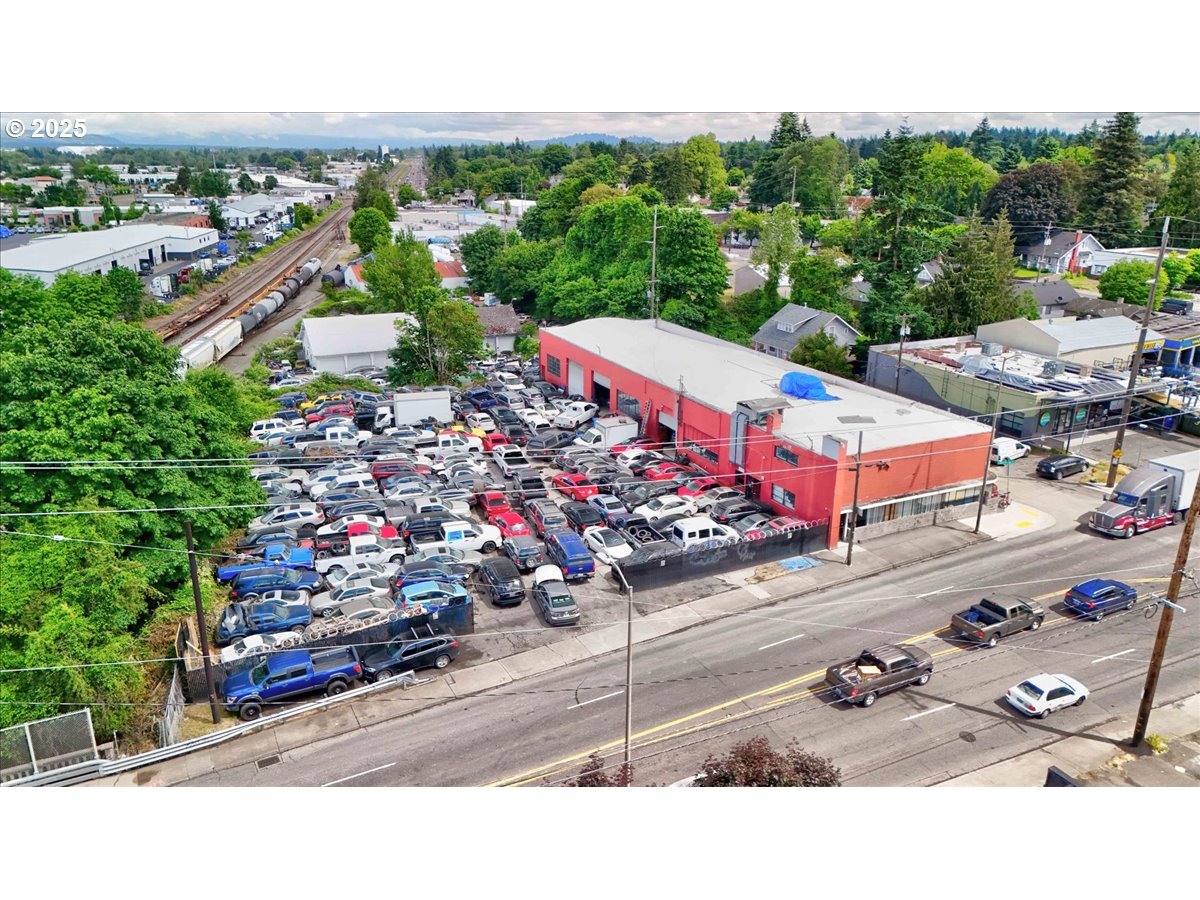
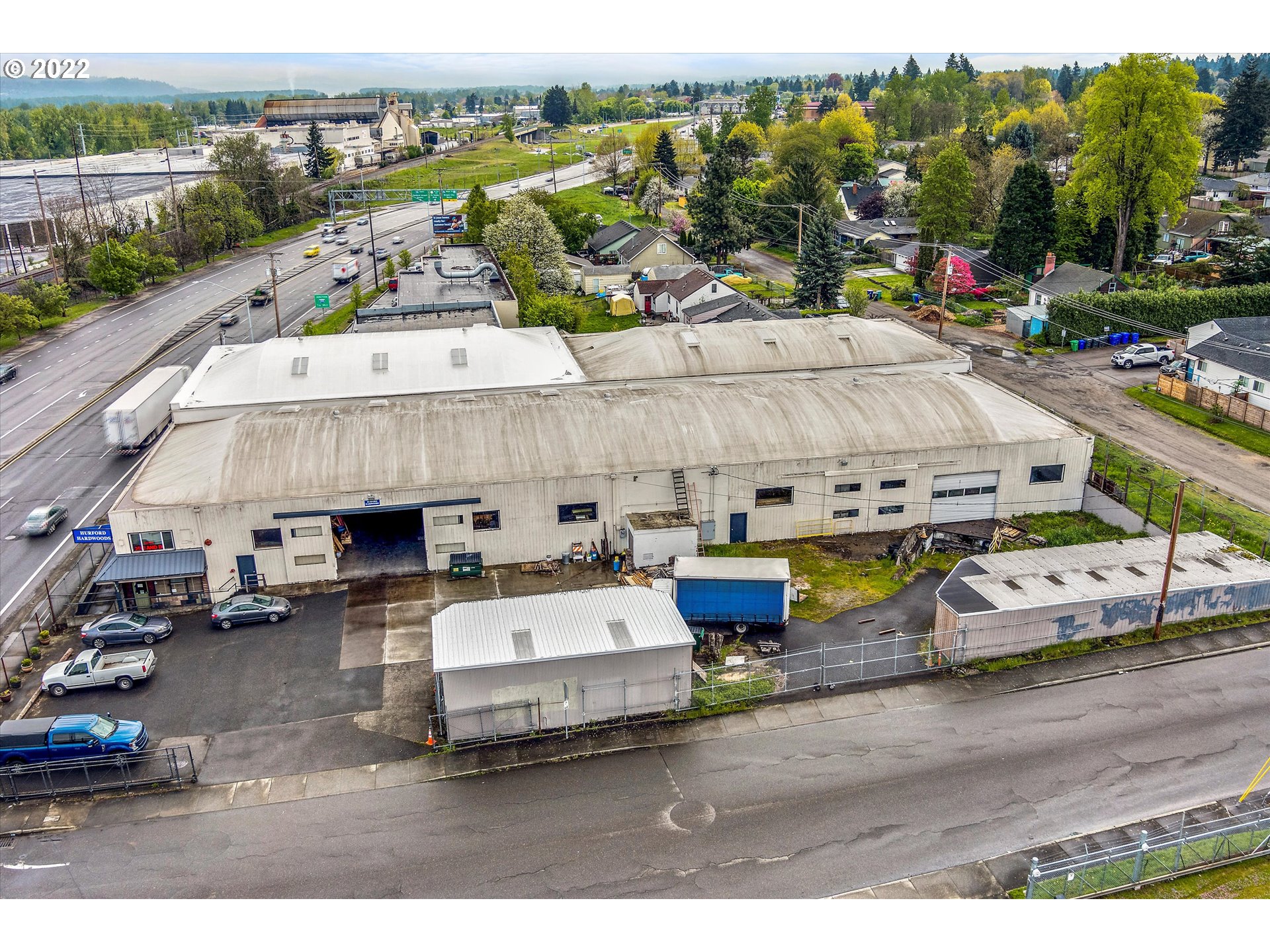
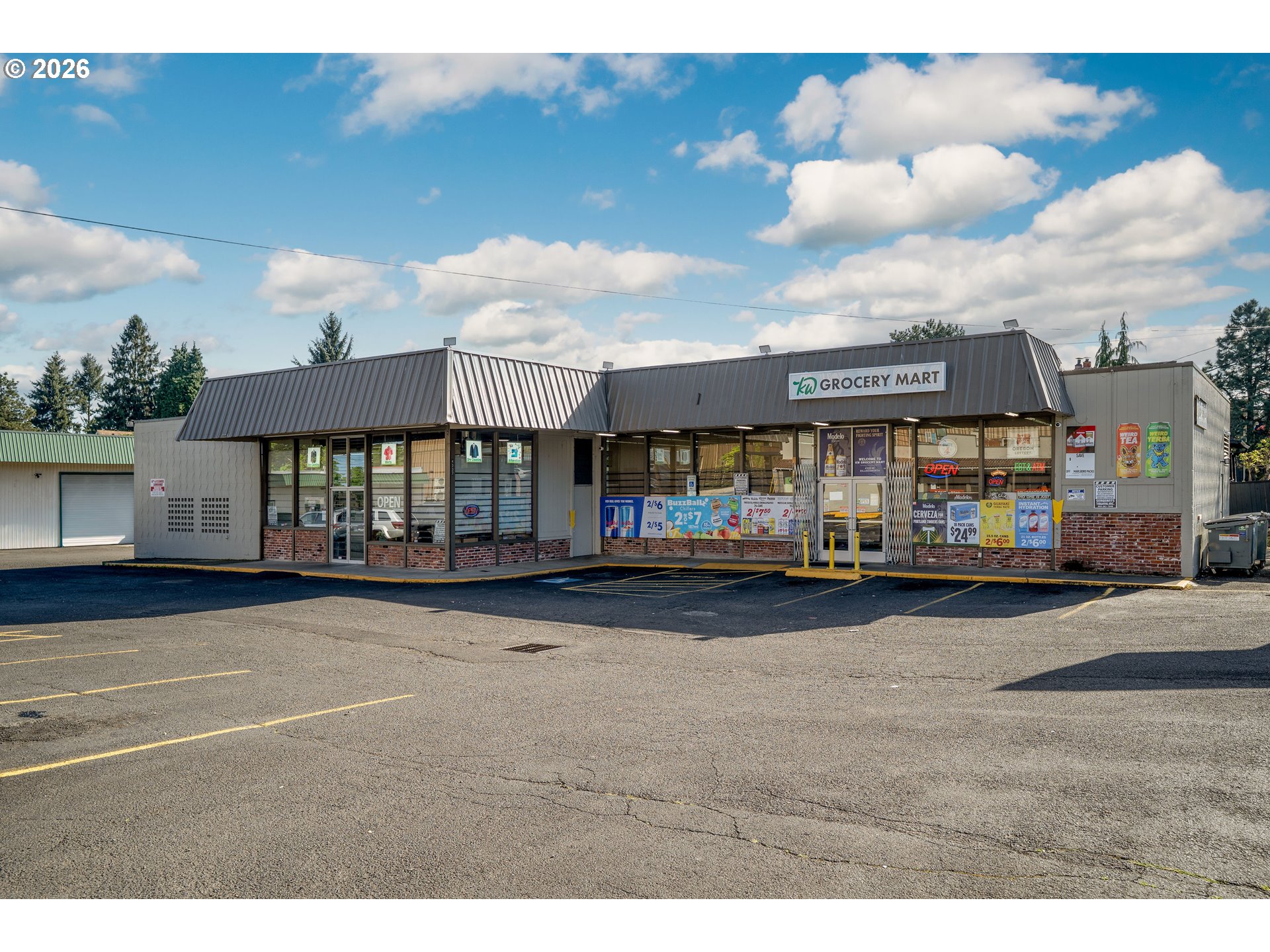
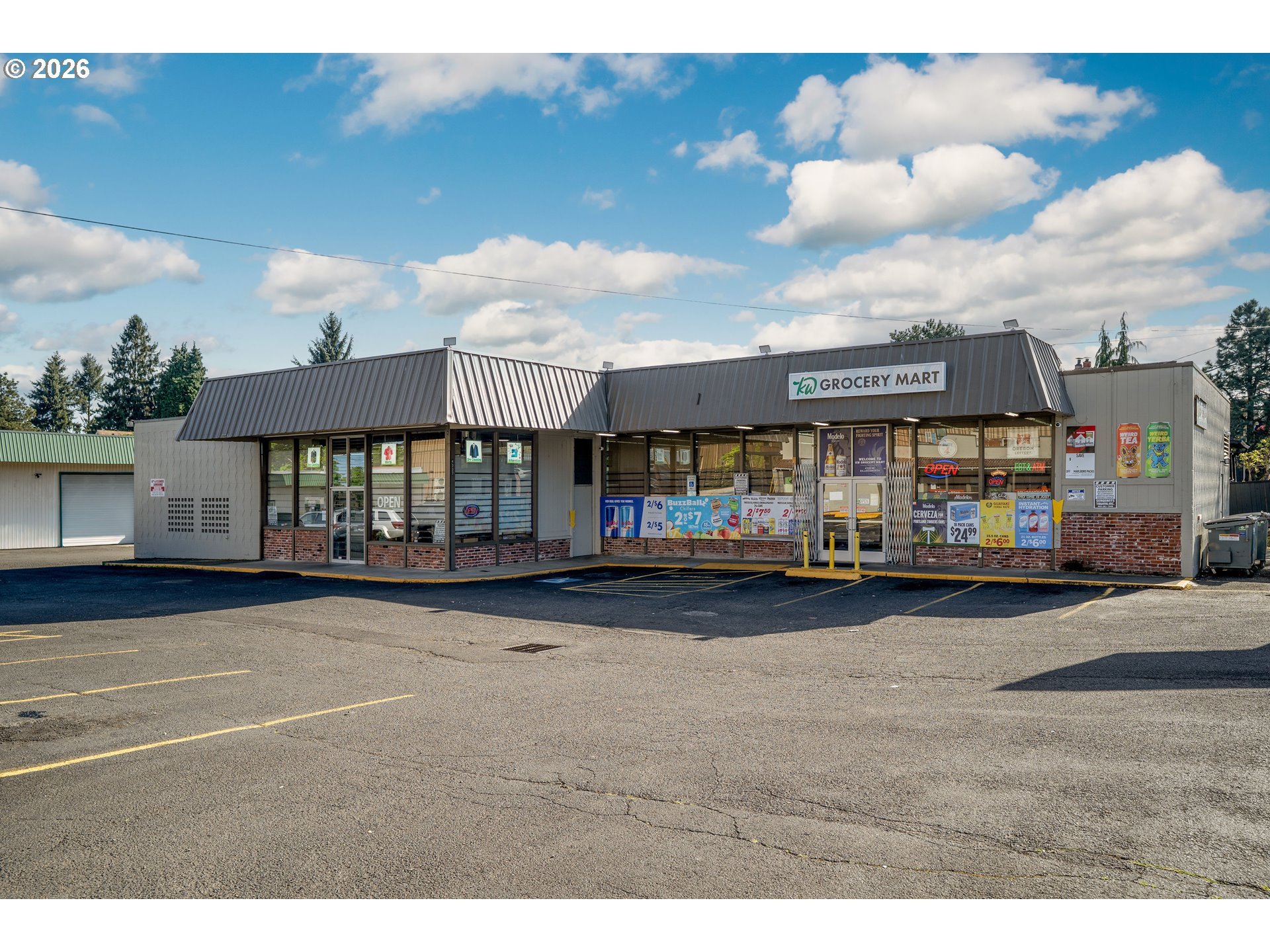
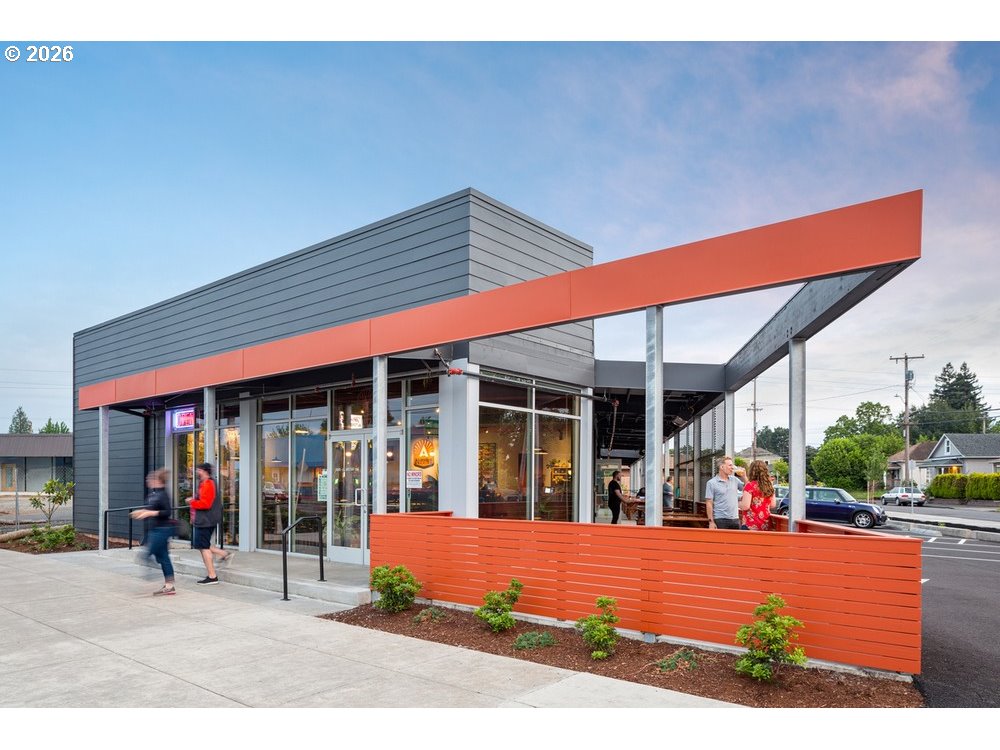
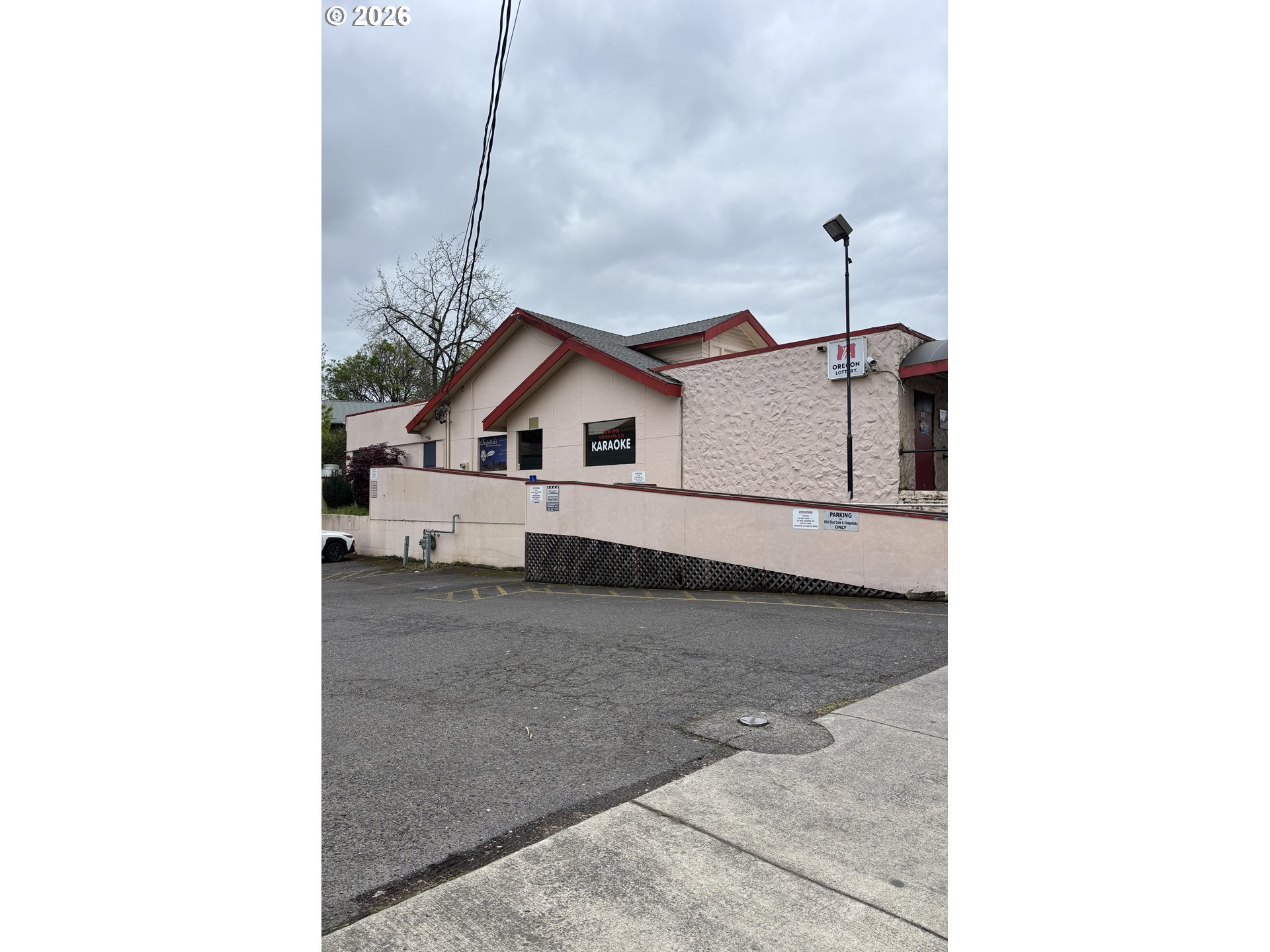
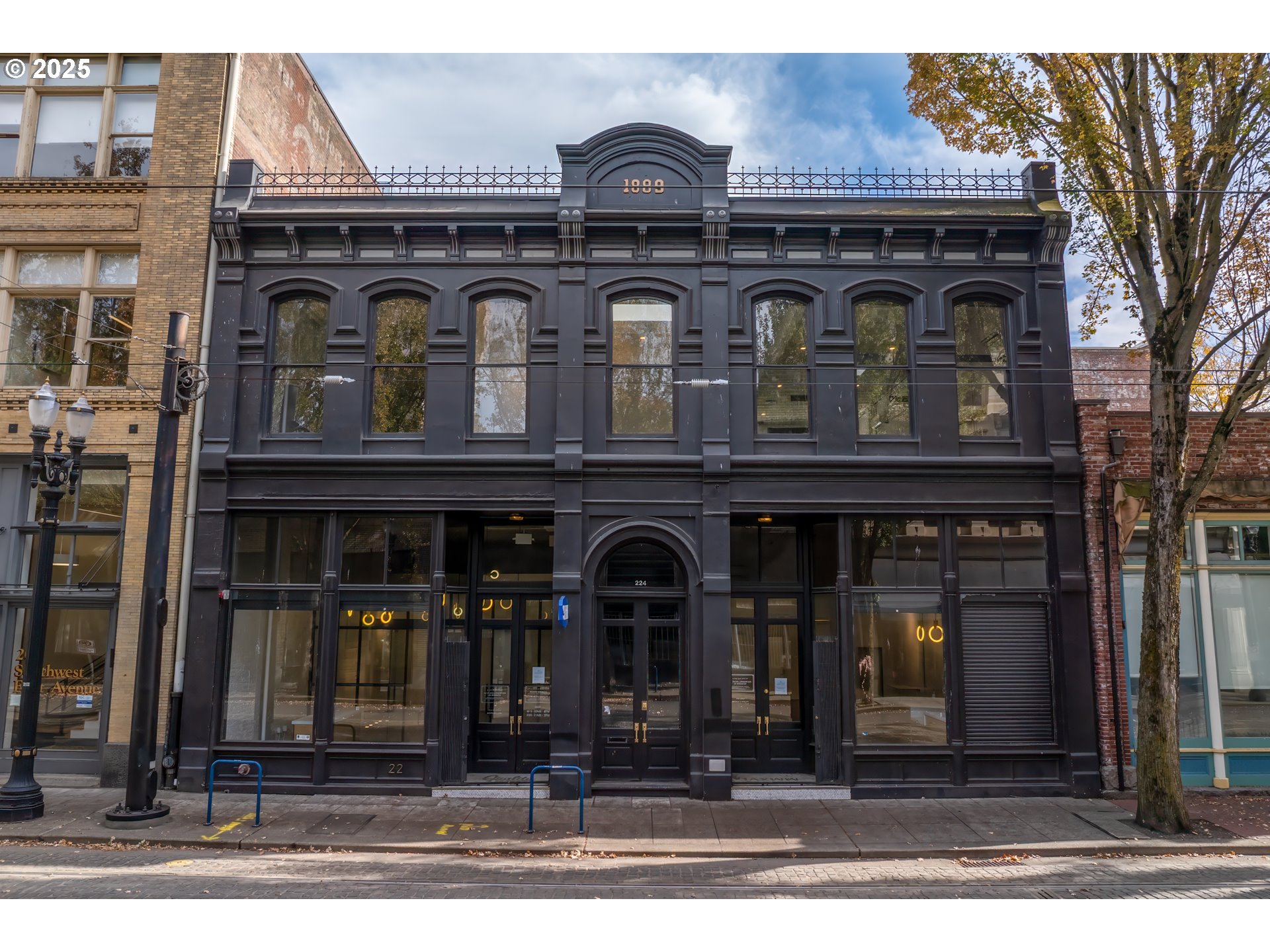
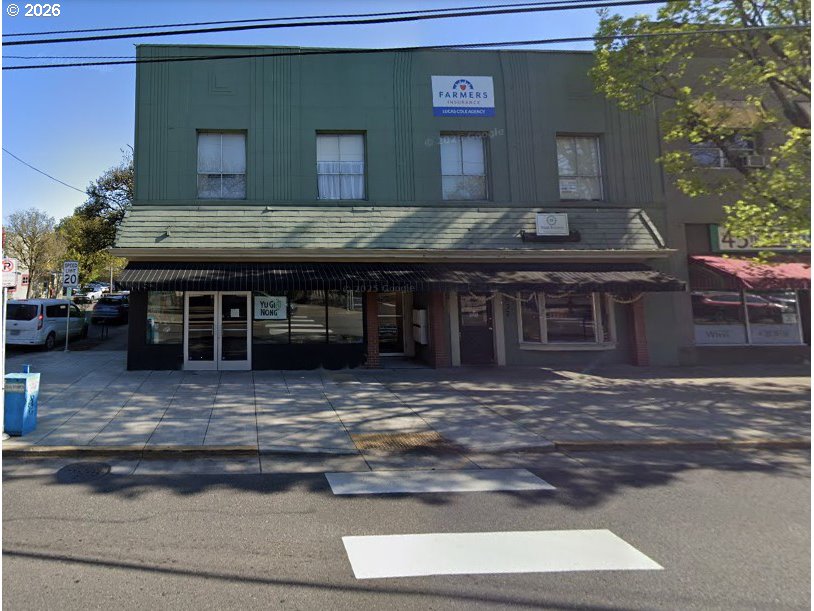
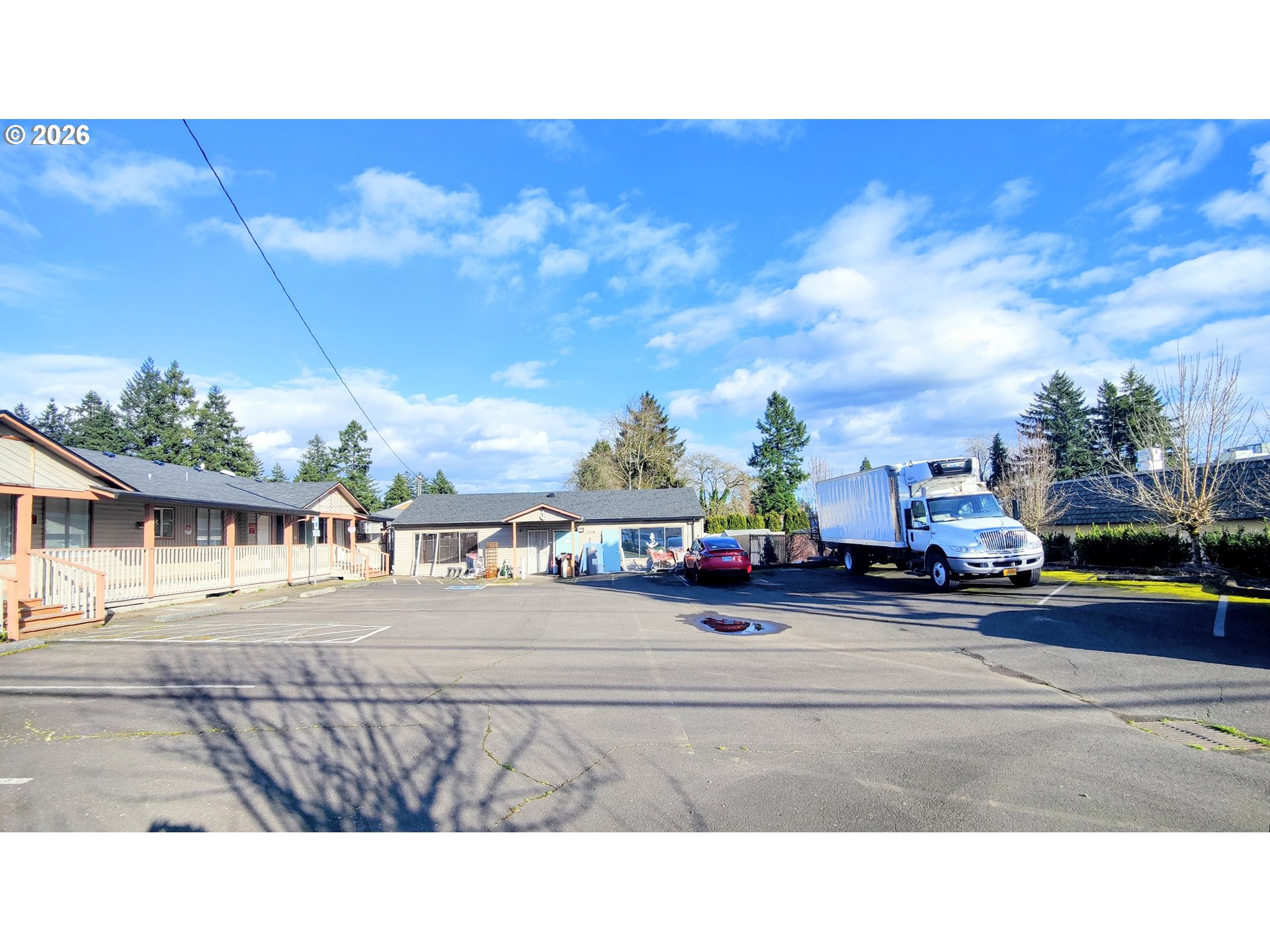
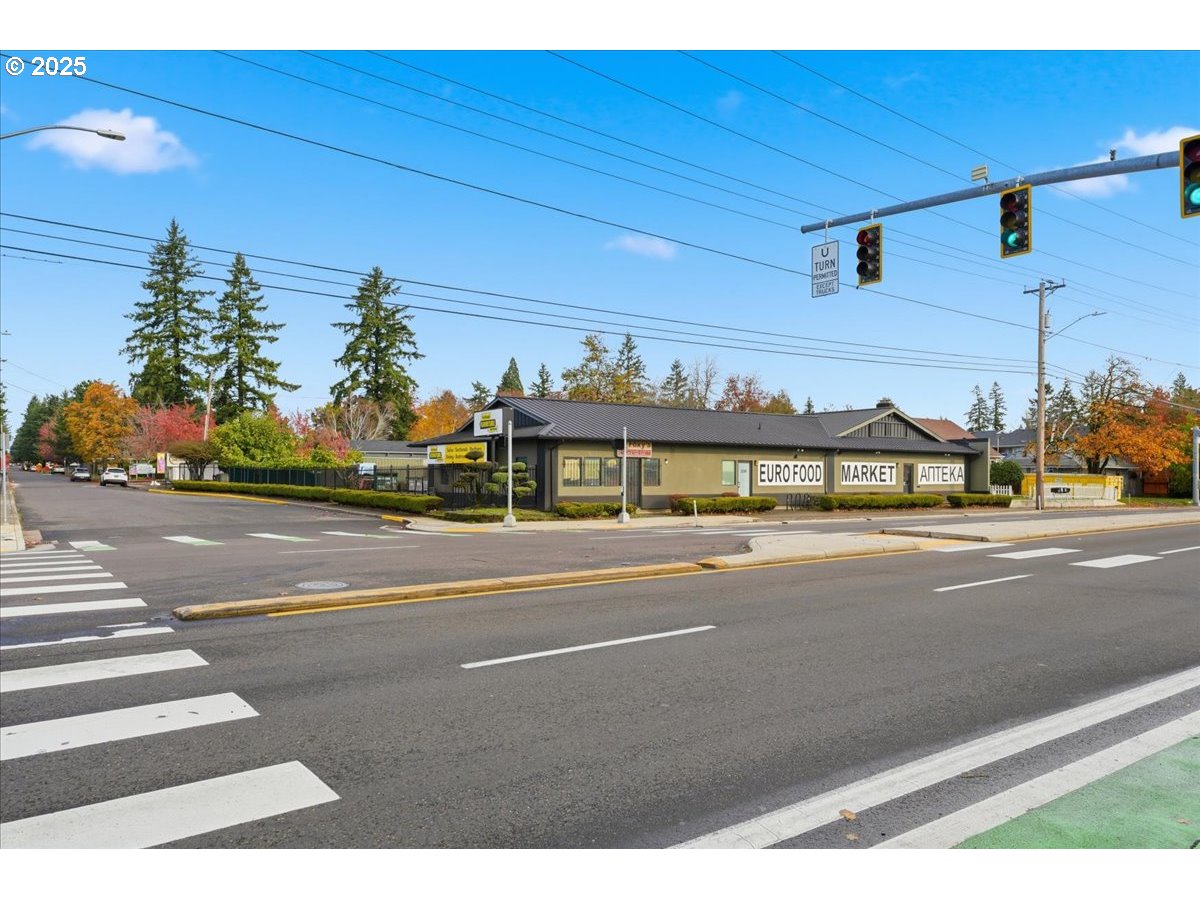
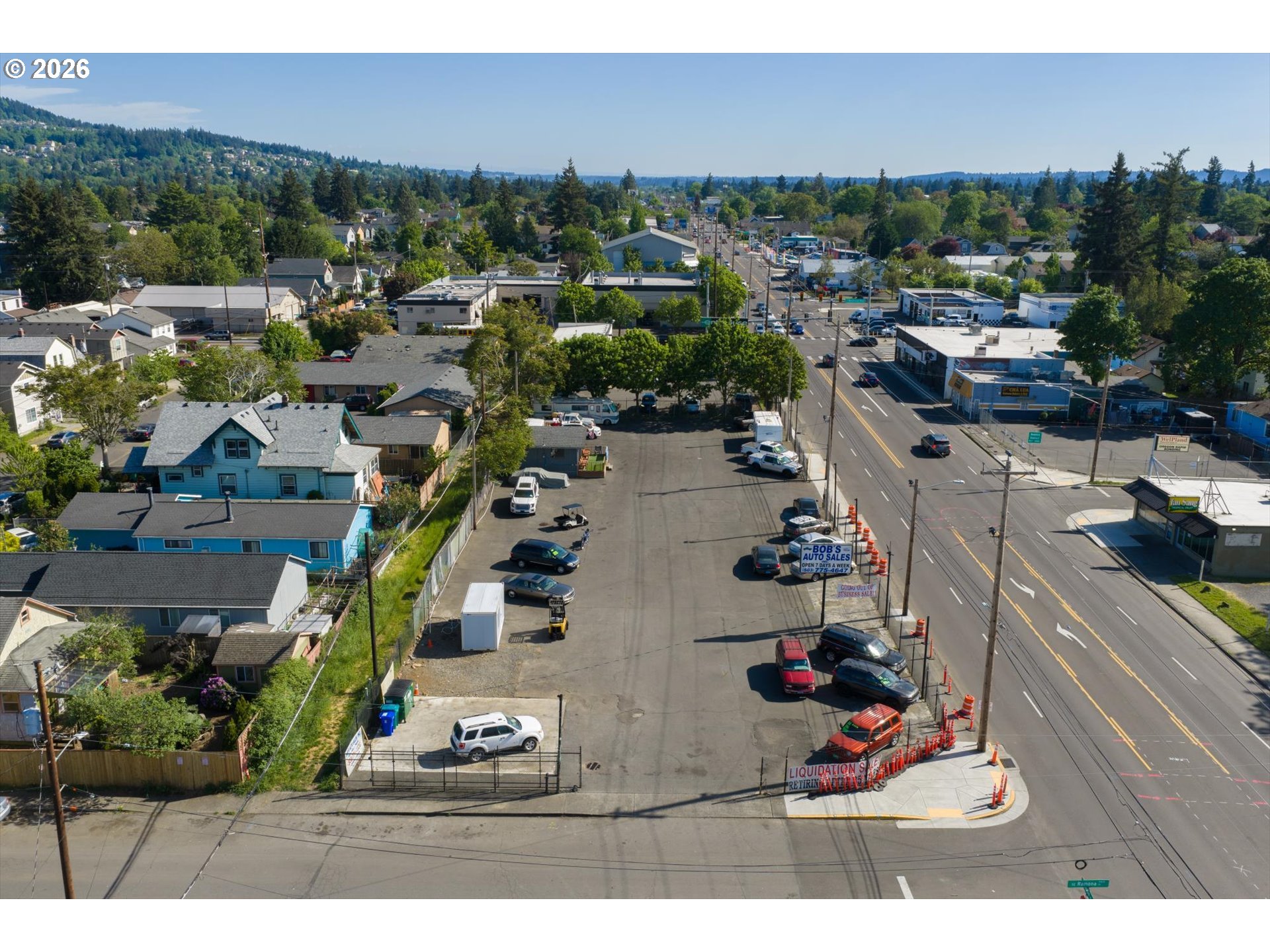
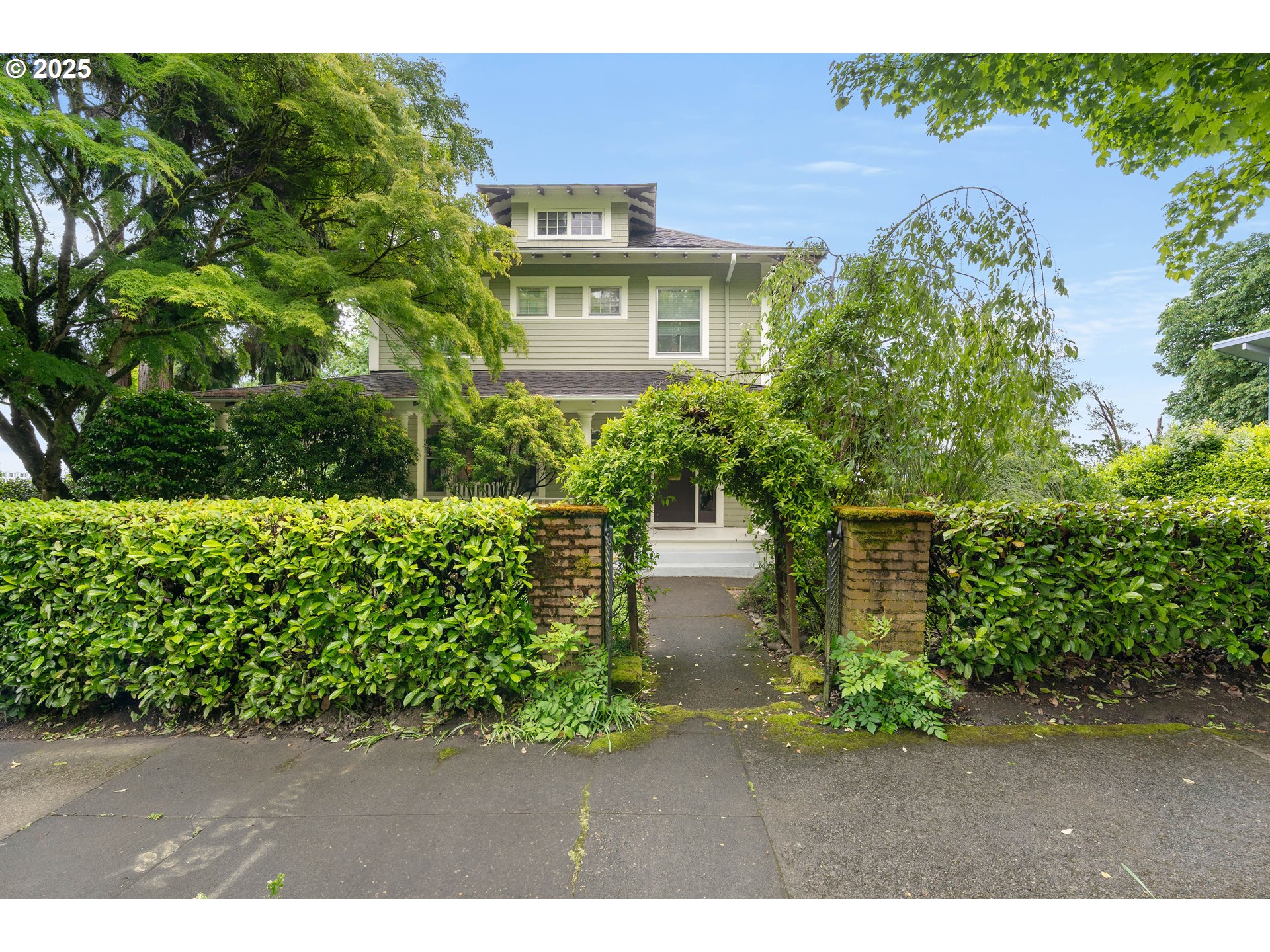
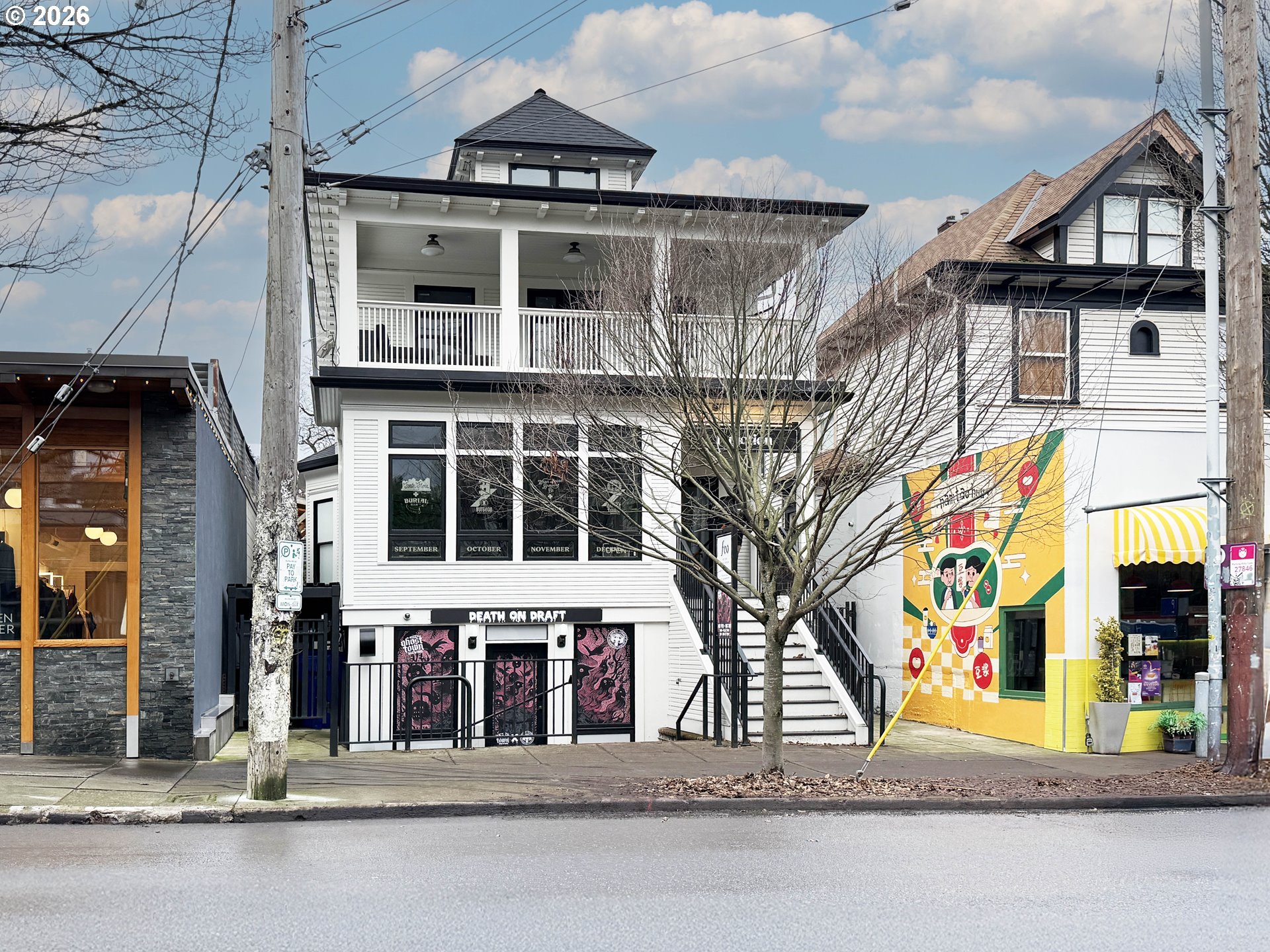
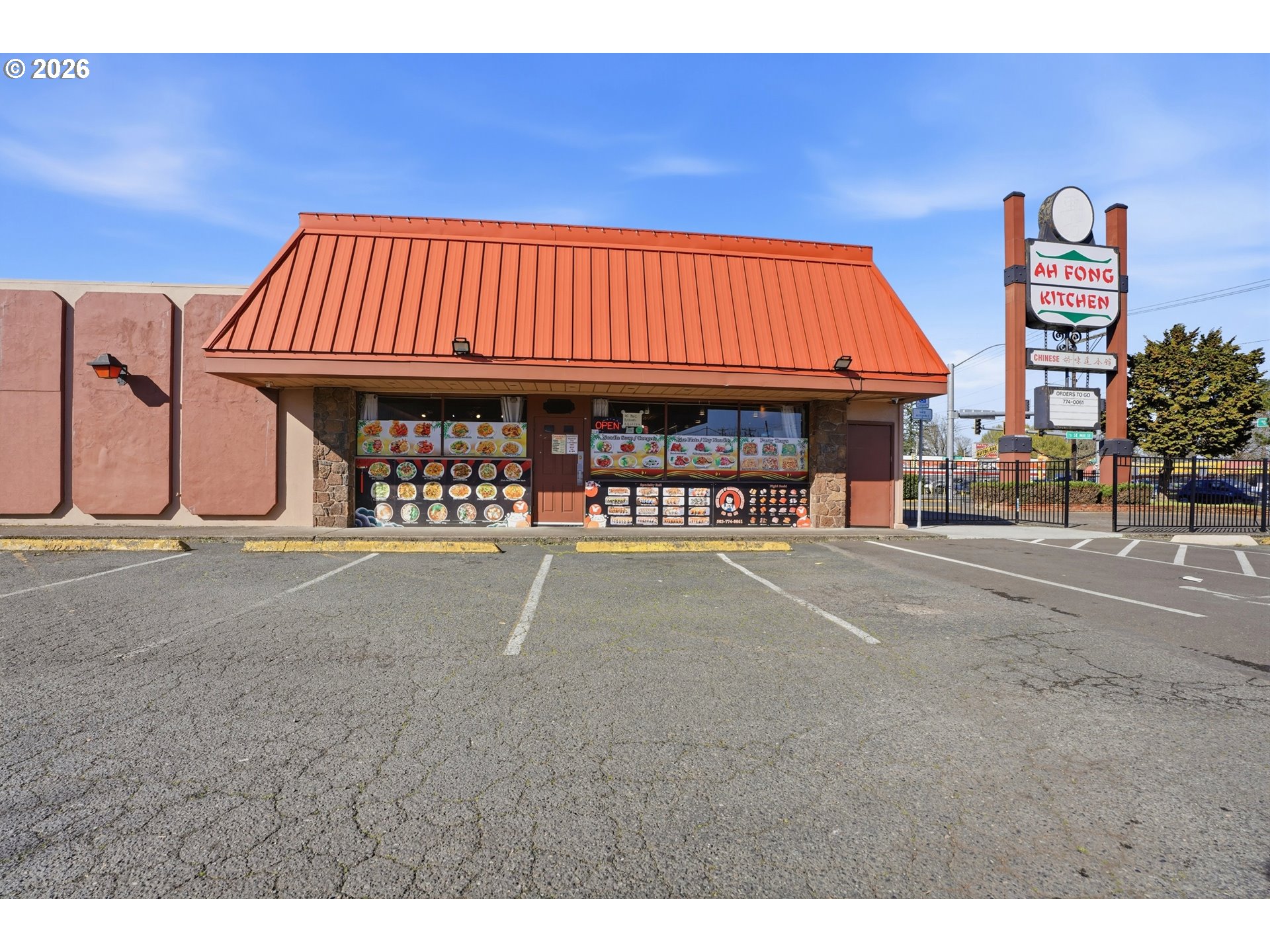
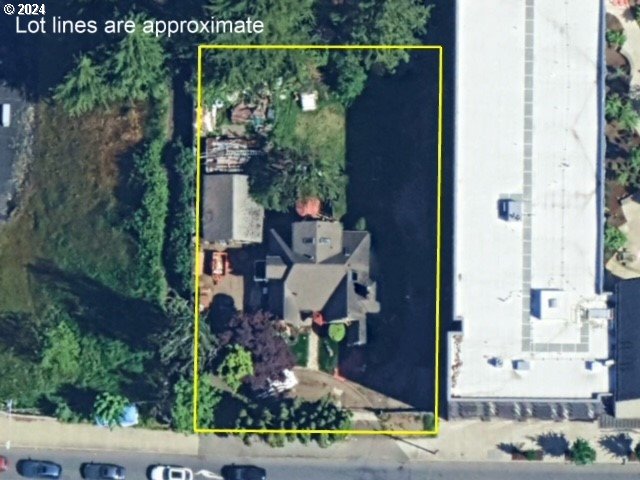
Buy commercial property in Portland to establish or expand your business in a thriving metro with strong demand, no state sales tax, and steady long-term growth.
Portland, OR Housing Market Trends
Unlike many expanding American metropolitan areas where suburban sprawl continuously lowers the barrier for new commercial construction, Portland is constrained by Oregon’s Urban Growth Boundary (UGB). By state law, outward urban expansion is strictly capped to protect surrounding farmland and natural spaces. This regulatory boundary creates artificial, permanent scarcity for prime commercial, industrial, and mixed-use land within city limits. For commercial real estate investors, this supply constraint insulates existing properties against market oversaturation, drives higher long-term land values, and ensures that central commercial corridors retain high tenant demand compared to unbounded markets where new competing inventory can be built indefinitely on city peripheries.
Oregon is one of the very few states in the nation with 0% general sales tax. For commercial property owners—particularly those investing in retail centers, mixed-use buildings, and entertainment districts—this tax structure provides a powerful, built-in competitive edge. Portland draws millions of regional shoppers and cross-border consumers from neighboring Washington state seeking tax-free purchasing power. This increased foot traffic directly boosts gross sales for retail, restaurant, and consumer-facing tenants, which in turn supports higher lease rates, lower tenant default rates, and healthier net operating income (NOI) for property owners compared to commercial nodes in high-sales-tax West Coast metros like Seattle or Los Angeles.
Portland sits at a vital multimodal intersection along the Interstate 5 corridor, supported by deep-water shipping via the Port of Portland and the Columbia-Willamette river system, transcontinental rail links, and Portland International Airport (PDX). This infrastructure positions Portland as a core Pacific Rim supply-chain gateway for industrial, flex, and distribution real estate. Furthermore, commercial acquisition costs and rental rates per square foot in Portland remain noticeably lower than in major neighboring West Coast hubs like Seattle, San Francisco, or Silicon Valley, while local utility rates are below national averages. This cost-to-connectivity ratio allows commercial landlords to attract major industrial, technology, and logistics tenants seeking a prime West Coast presence without paying northern California or Puget Sound real estate premiums.
Contact us today for expert local advice, private tours, and guidance tailored to your goals. Whether you're navigating your first home purchase or upgrading to your ideal Portland, OR property, we’ll help you move with confidence in one of Oregon’s most sought-after markets.
In addition to standard state and federal taxes, commercial property owners and landlords in Portland are subject to local business taxes administered jointly by the City of Portland and Multnomah County. Net rental income earned from commercial properties located within city and county limits triggers the City of Portland Business License Tax (2.6%) and the Multnomah County Business Income Tax (2.0%). Additionally, qualifying businesses making over $25 million in gross receipts may be subject to the Portland Clean Energy Surcharge (1.0%), making it vital for investors to factor local tax compliance directly into their net operating income (NOI) projections.
The vast majority of retail, industrial, and multi-tenant commercial properties in Portland operate on Triple Net (NNN) leases, where tenants pay a base rent plus their proportionate share of property taxes, building insurance, and common area maintenance (CAM). In contrast, many downtown and suburban office buildings utilize Full Service Gross (FSG) or Modified Gross leases, where the landlord absorbs base-year operating expenses and passes on only incremental operational increases in subsequent years. Understanding these lease structures is critical for buyers because NNN leases shift rising municipal property tax and maintenance burdens directly onto tenants, whereas Gross leases require landlords to absorb cost spikes.
Cap rates in Portland vary significantly depending on the asset class and location, generally sitting between 5.5% and 8.0%+ depending on risk profile. Industrial flex, warehouse space, and grocery-anchored retail remain Portland's most resilient commercial sectors, boasting tight vacancy rates and compressed cap rates around 5.5% to 6.5%. Conversely, the office sector—particularly in Downtown Portland—faces higher structural vacancy and expanding cap rates (often 7.0% to 8.5%+), creating value-add or repositioning opportunities for opportunistic investors seeking heavy purchase-price discounts per square foot.
Portland's zoning code features flexible commercial zones—such as Commercial Employment (CE) and Commercial Mixed Use (CM1, CM2, CM3)—designed to encourage high-density, multi-use development. These flexible designations make it relatively straightforward to adaptively reuse older commercial assets, such as converting ground-floor retail or light industrial spaces into restaurants, creative office hubs, or housing. However, buyers looking to redevelop commercial lots must navigate strict municipal design guidelines, mandatory ground-floor active-use requirements, and potential System Development Charges (SDCs) when changing a building's functional occupancy use.
Yes, due to Portland’s extensive history as an industrial shipping port and timber hub, Phase I Environmental Site Assessments (ESA) are a mandatory due-diligence standard for commercial acquisitions. Properties located near historical industrial corridors—such as the Central Eastside, Guild’s Lake, or along the Willamette River—frequently present environmental legacy issues like soil contamination or underground storage tanks (USTs). If a Phase I ESA identifies recognized environmental conditions, buyers must conduct a Phase II assessment to test soil and groundwater, ensuring they utilize state programs like Oregon’s Department of Environmental Quality (DEQ) Voluntary Cleanup Program to manage liability.
Commercial real estate lenders in the Pacific Northwest typically require loan-to-value (LTV) ratios between 60% and 75%, requiring buyers to inject 25% to 40% equity into a purchase. Lenders strictly evaluate a property's Debt Service Coverage Ratio (DSCR), generally requiring a minimum DSCR of 1.25x to 1.35x based on stabilized net operating income. Because national regional banks have tightened underwriting for West Coast urban centers, many Portland commercial buyers successfully utilize local credit unions, regional Pacific Northwest banks, or seller-financing arrangements to secure competitive interest rates and terms.
Whether you're establishing a new location, expanding your business, or adding to your investment portfolio, The Portera Group is here to help. Reach out with any questions or to start your search—we'll guide you through every step of finding the right commercial property in Portland.
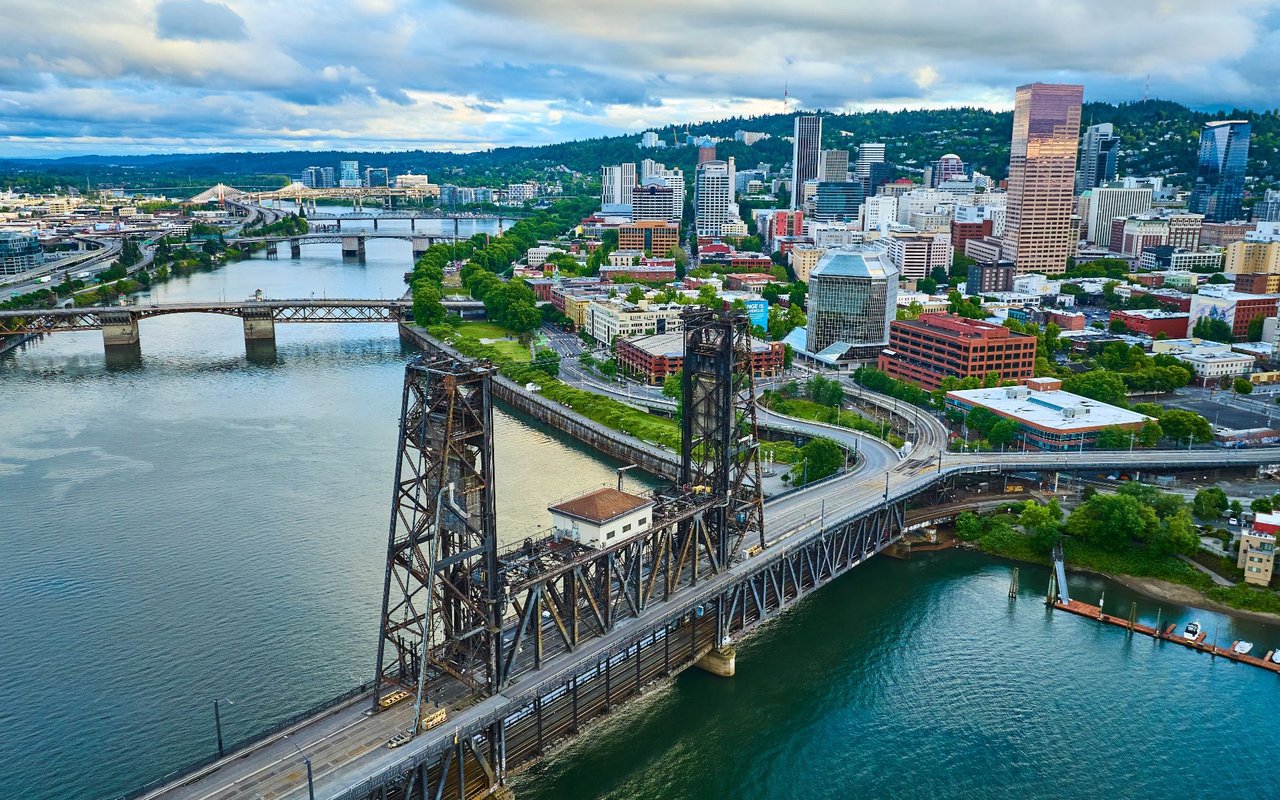
Discover the charm and character of Portland, OR—one neighborhood at a time. From the tree-lined streets of the West Hills to the vibrant energy of the Pearl District, each area offers its own distinct lifestyle, architecture, and appeal. Explore our Portland neighborhood guide to find the community that feels like home.
We believe informed clients make confident decisions, which is why we love sharing our knowledge beyond the transaction. Our blog goes beyond market trends to offer behind-the-scenes insight into homeownership, neighborhood favorites, home maintenance, and how we guide our clients every step of the way. Whether you’re buying, selling, or investing, you’ll find practical tips, local perspective, and data designed to help you feel prepared.