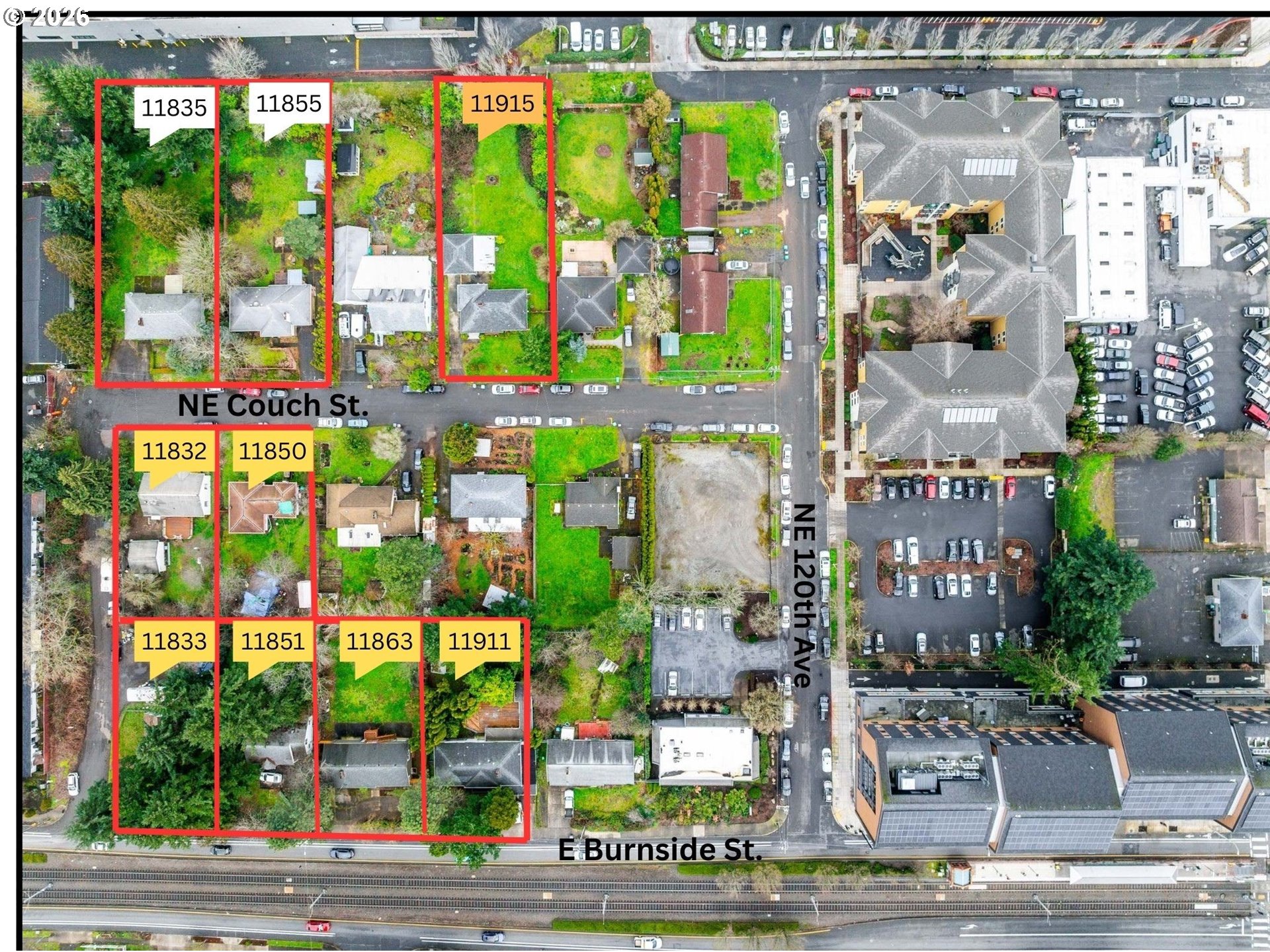
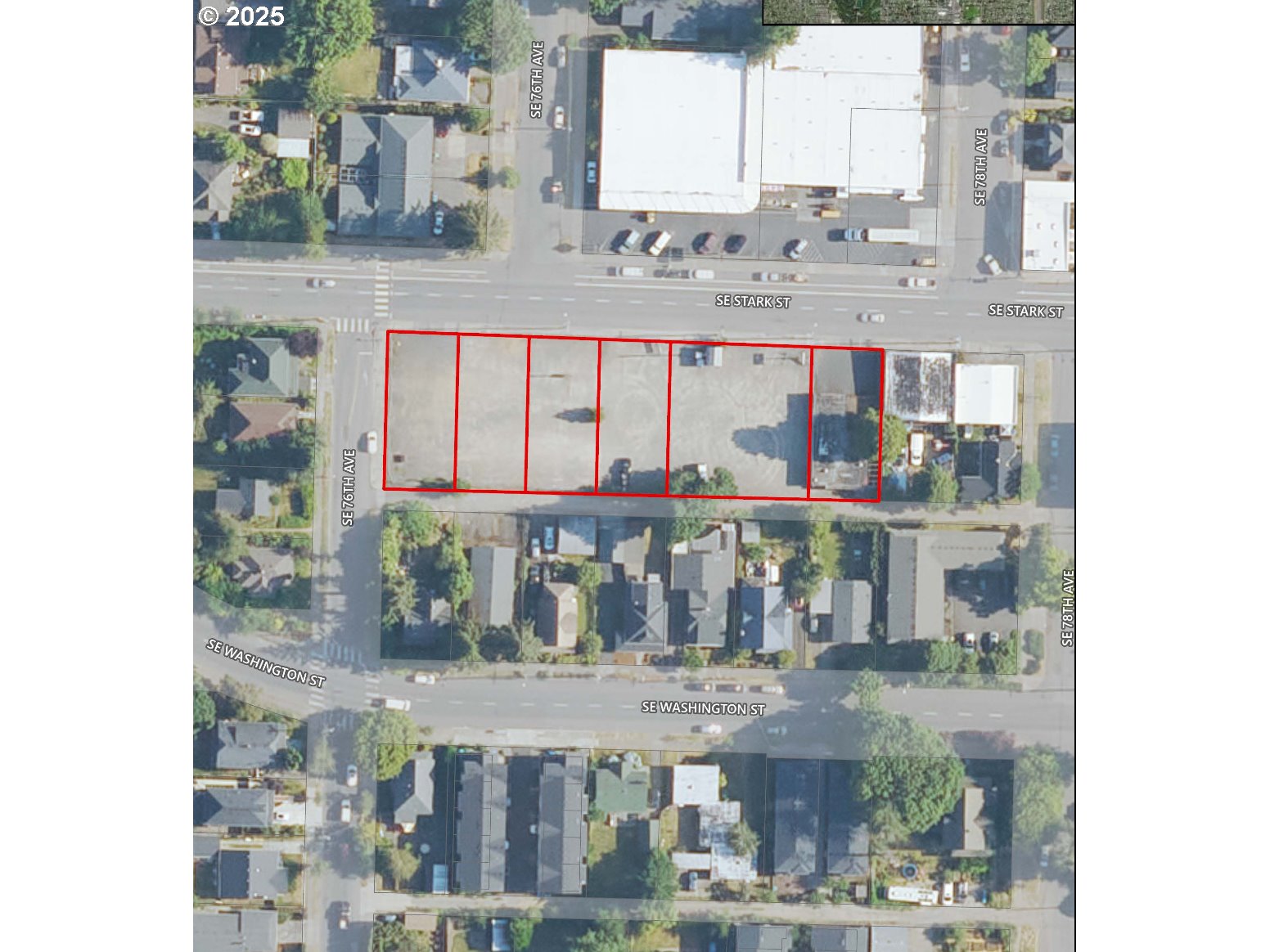
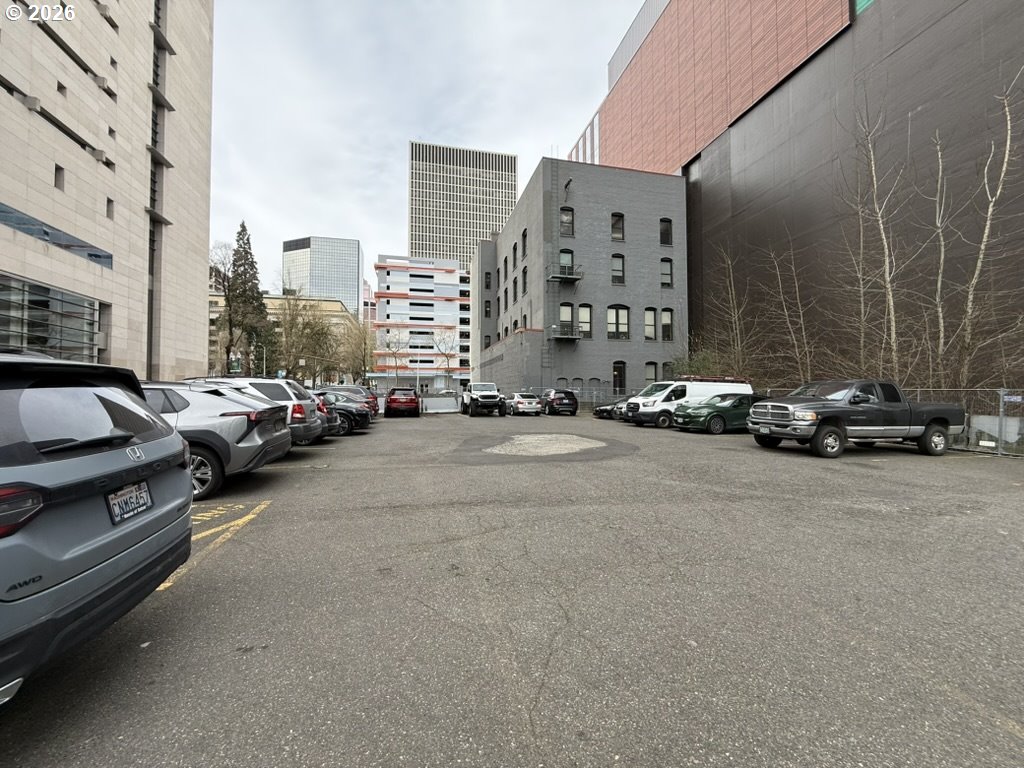
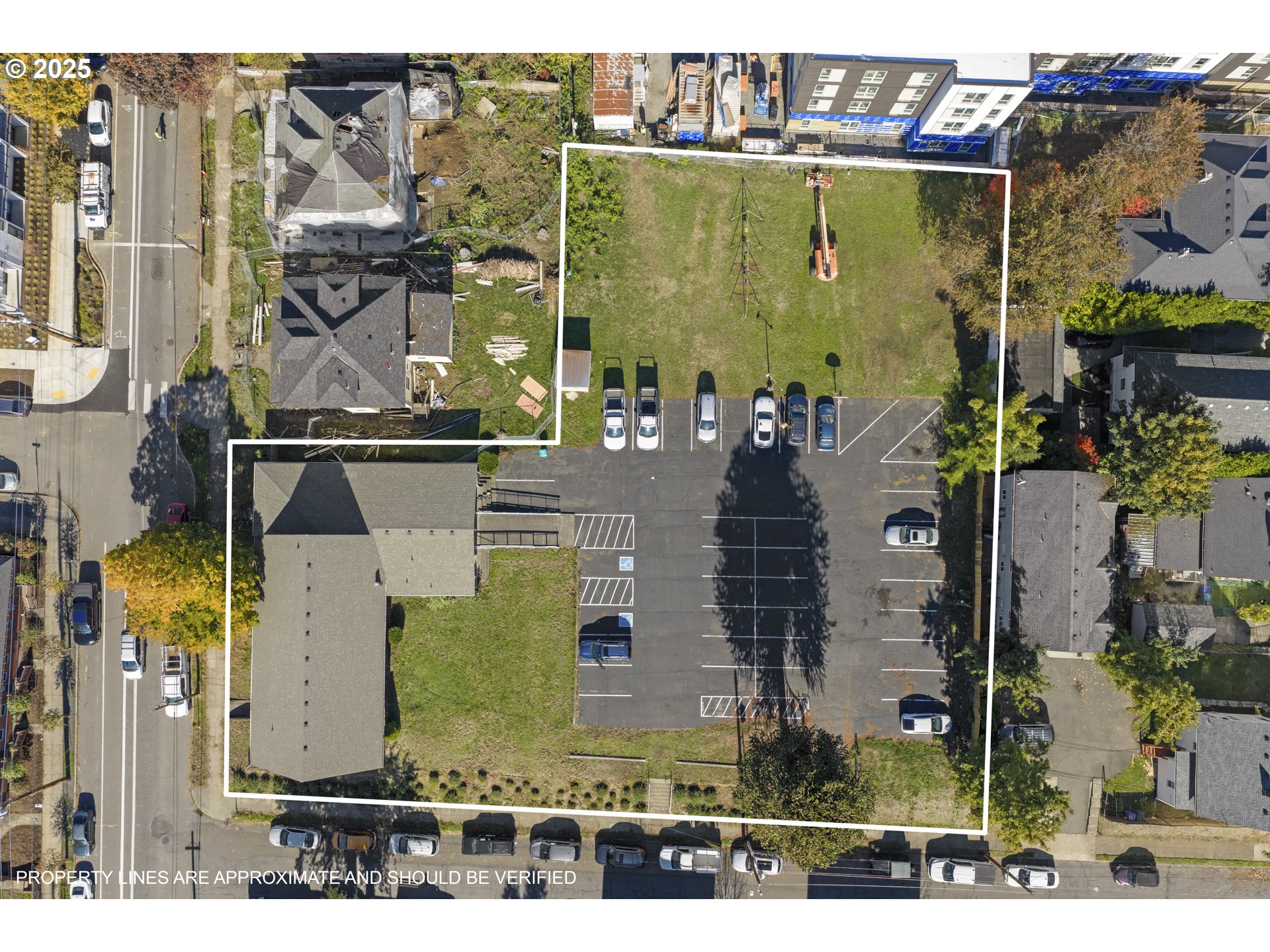
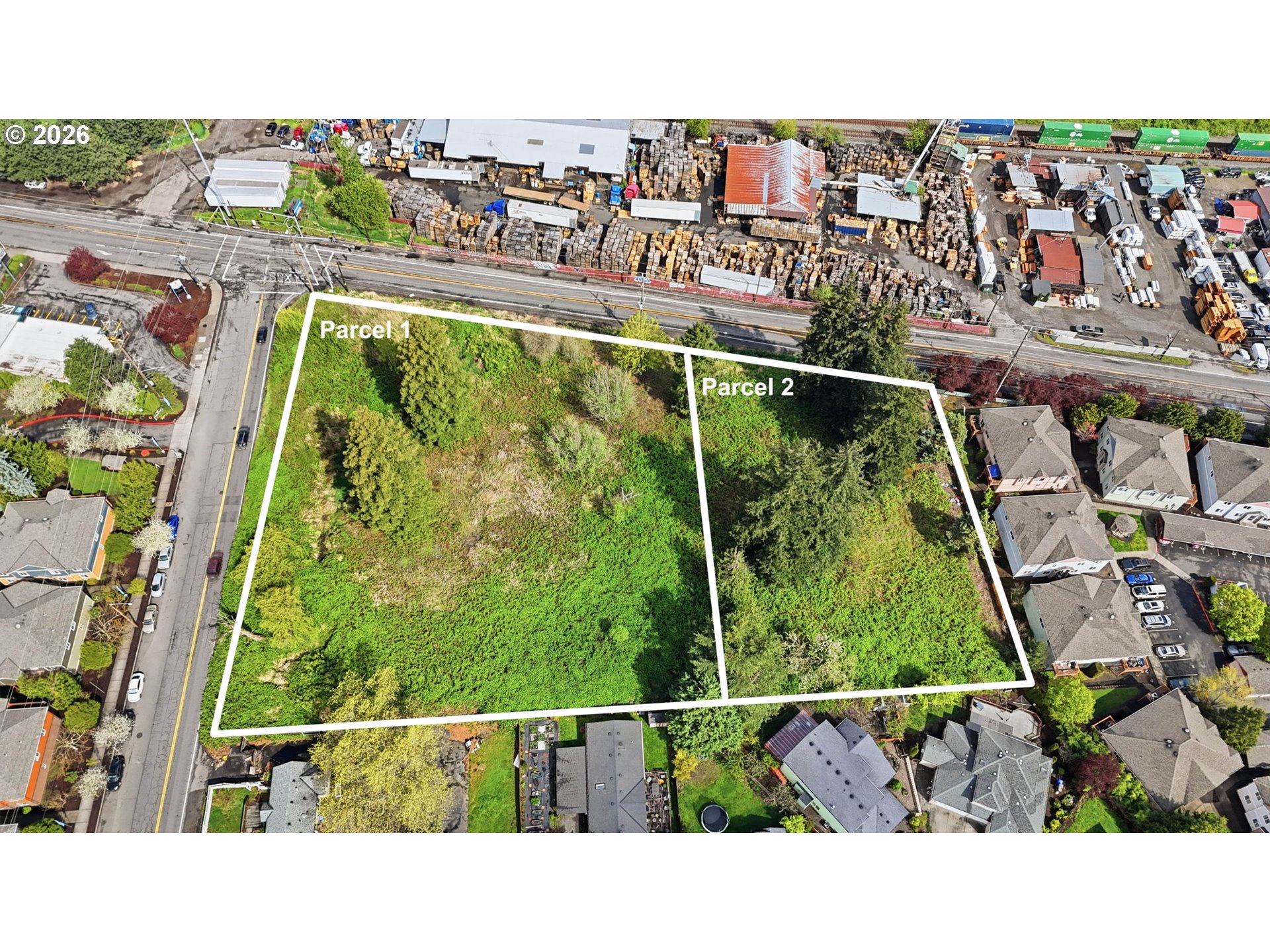
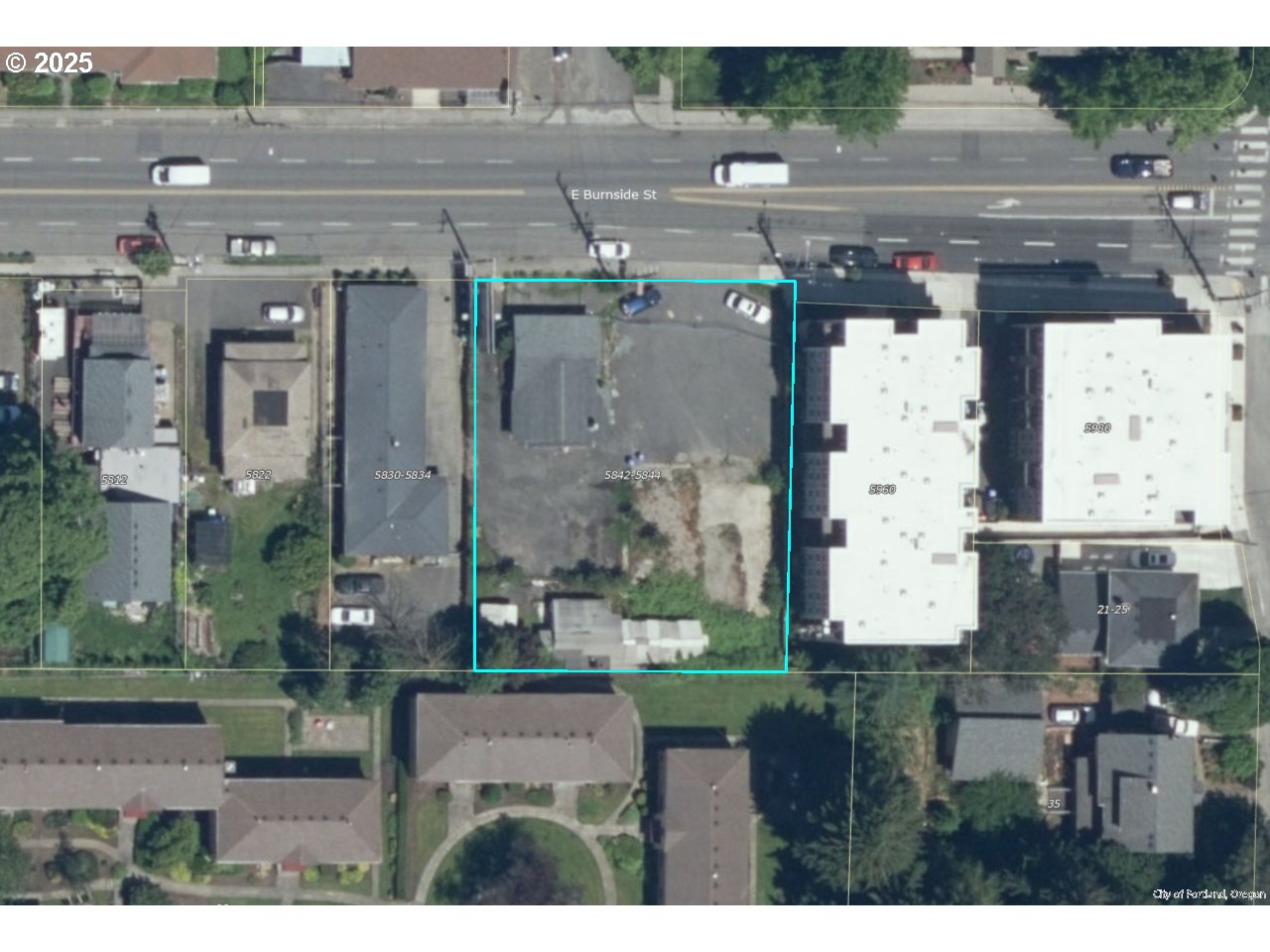
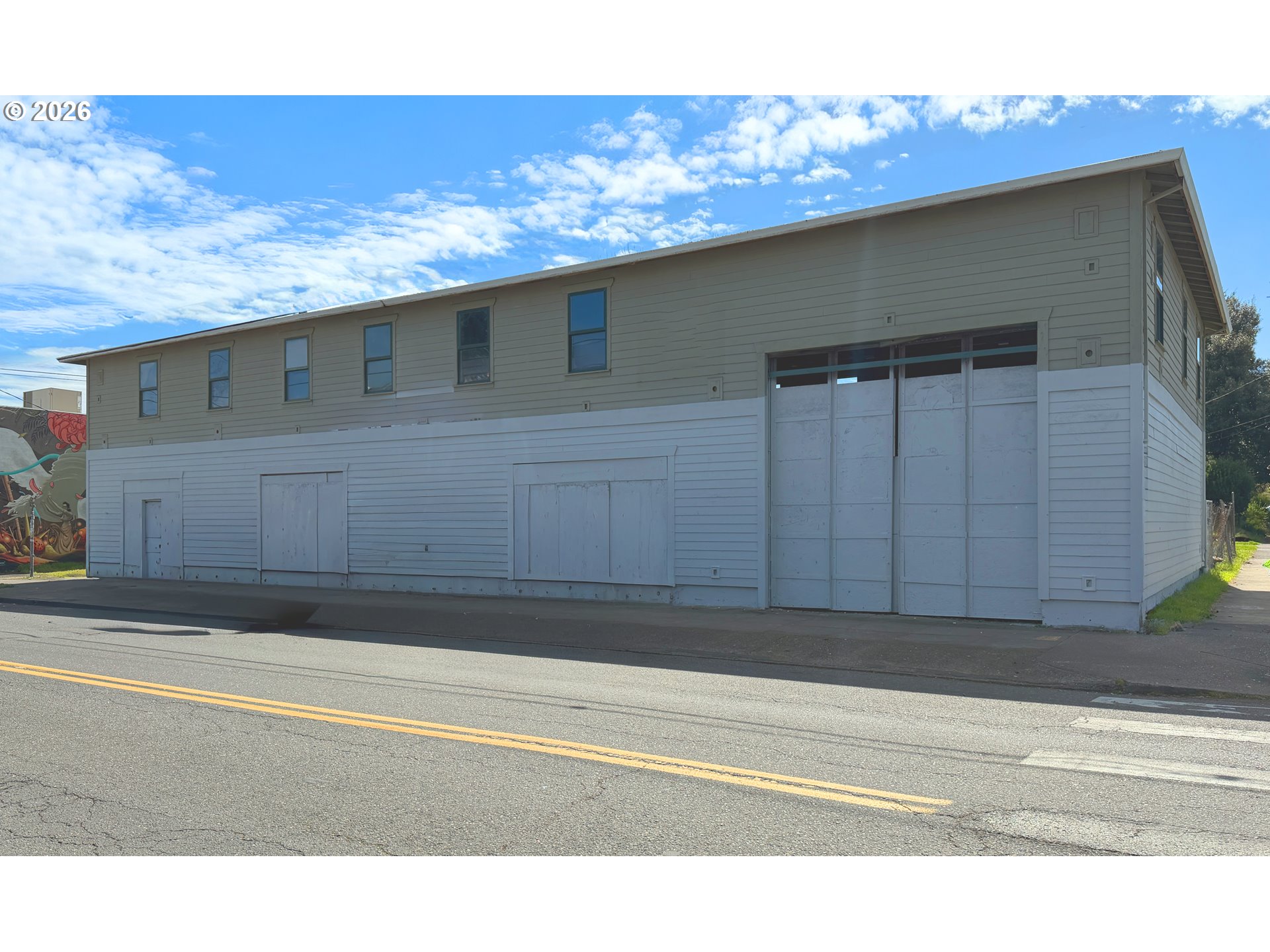
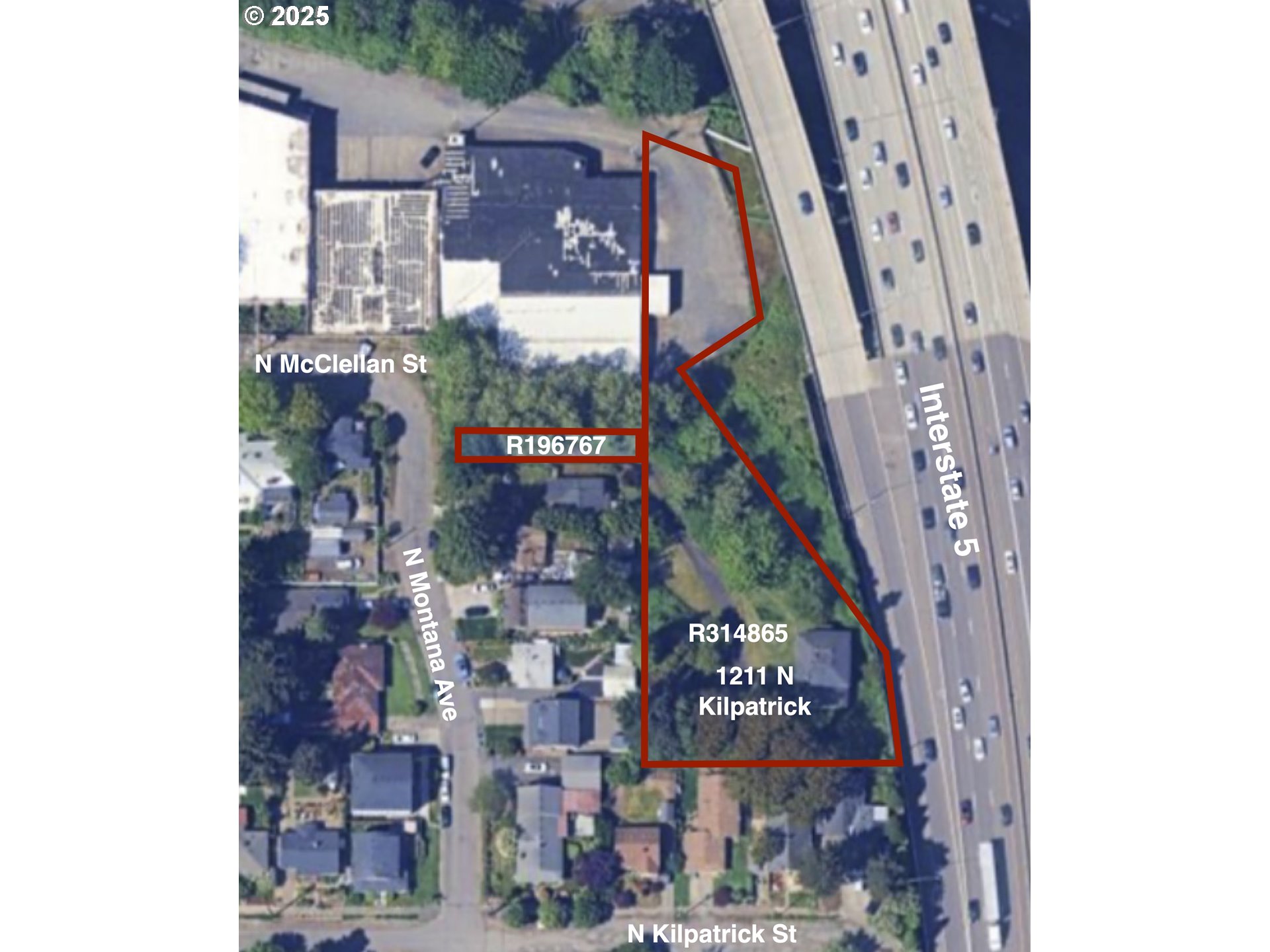
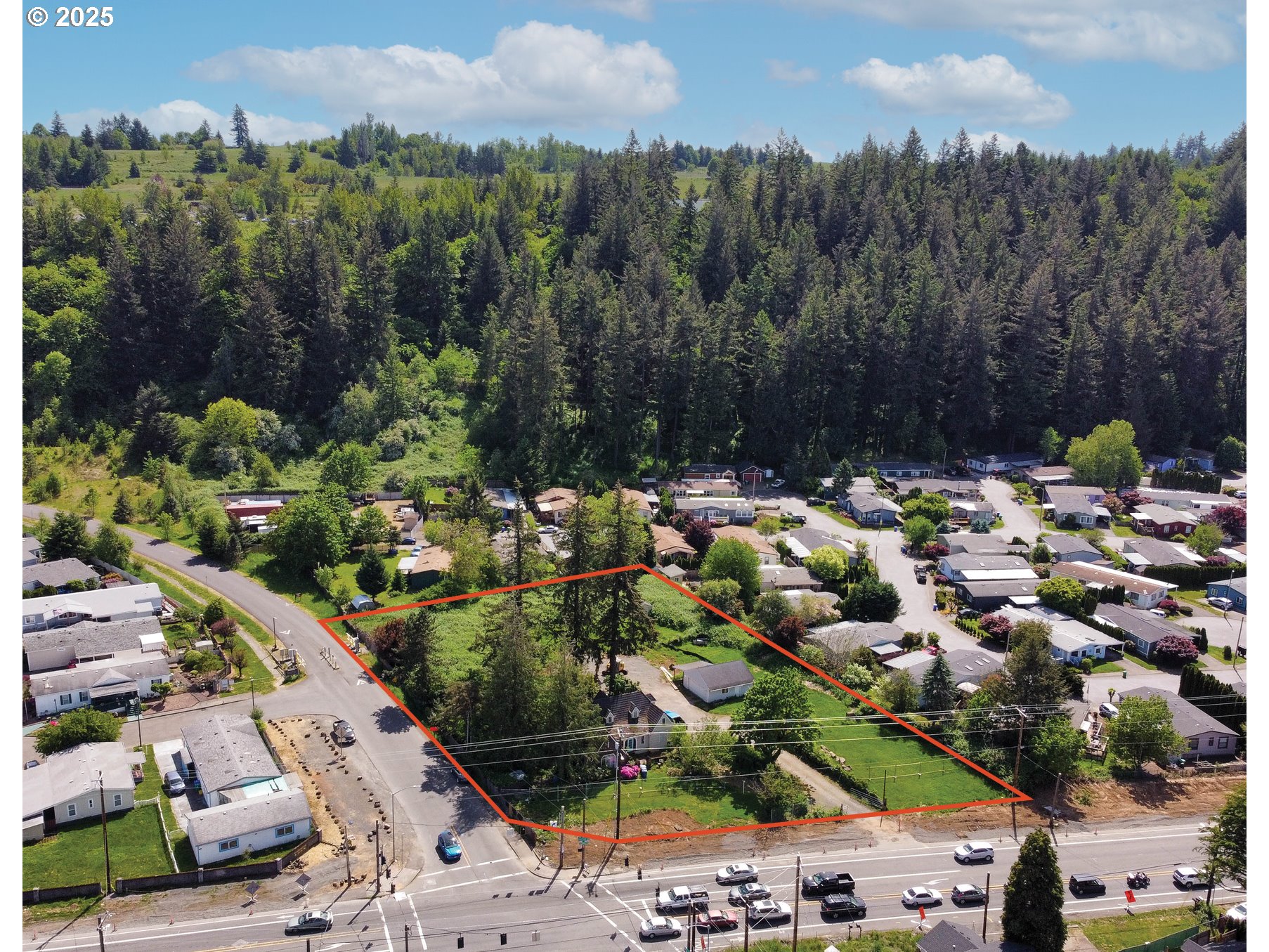
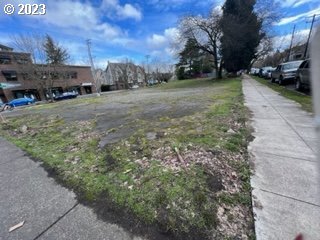
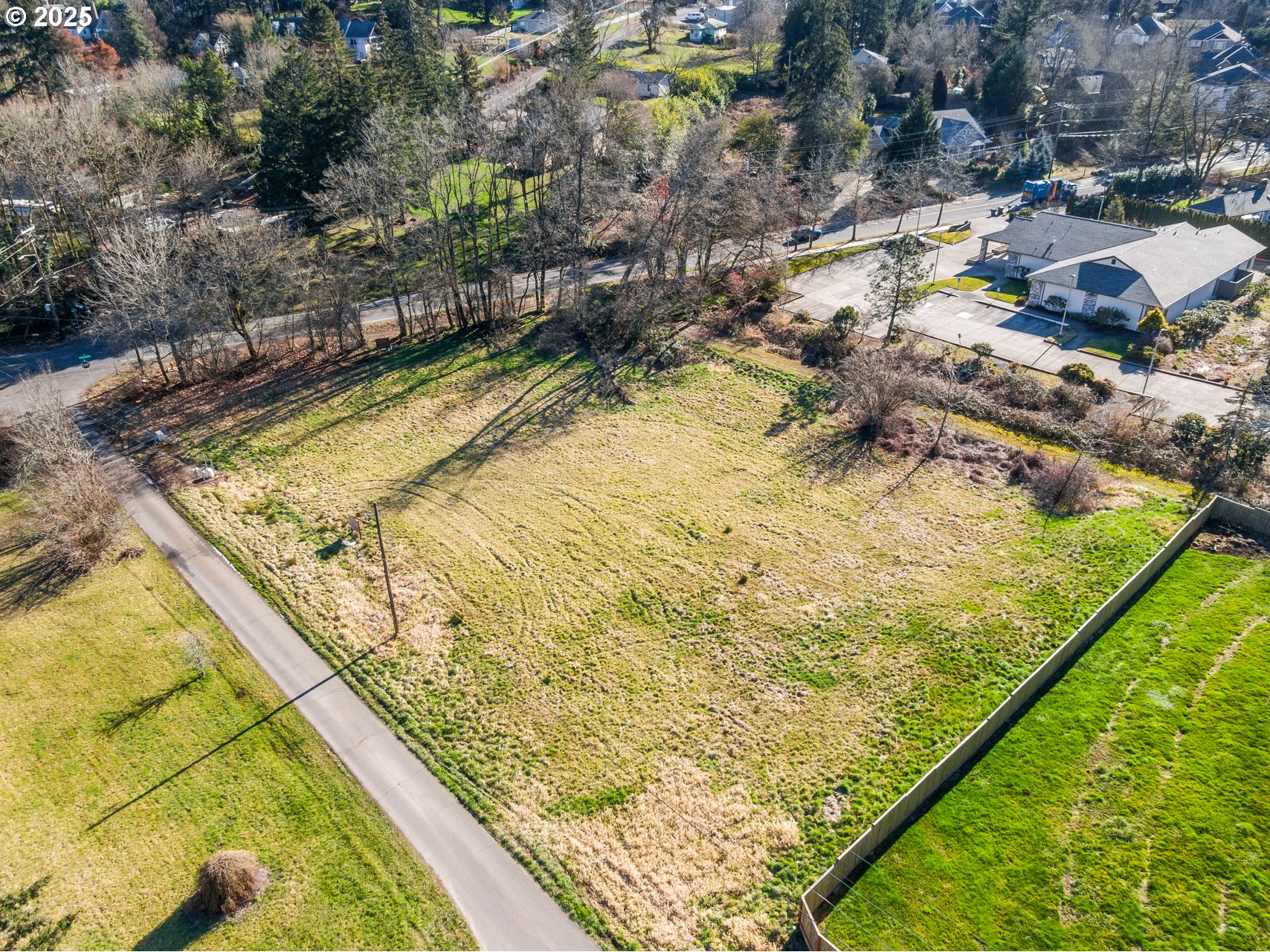
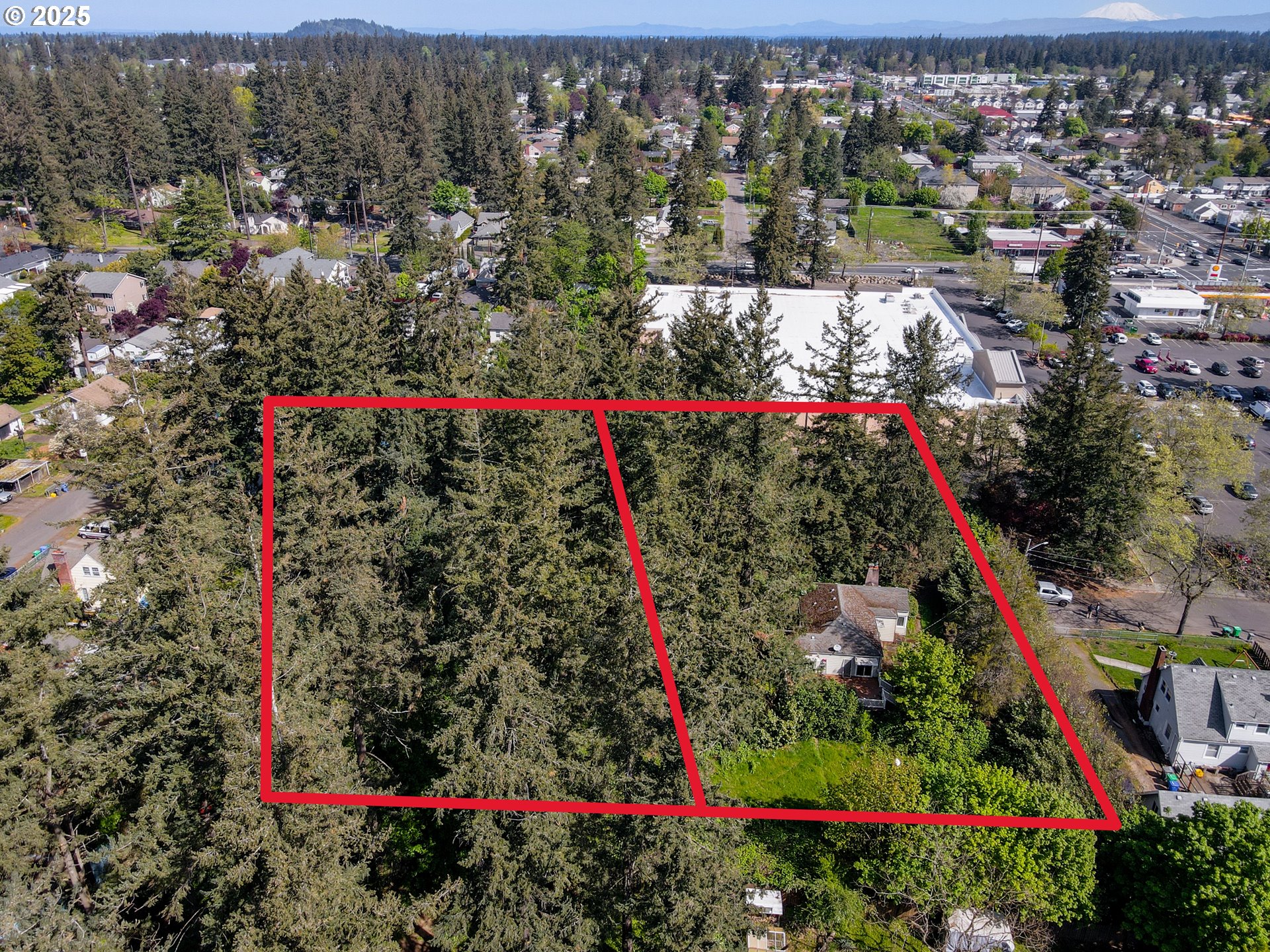
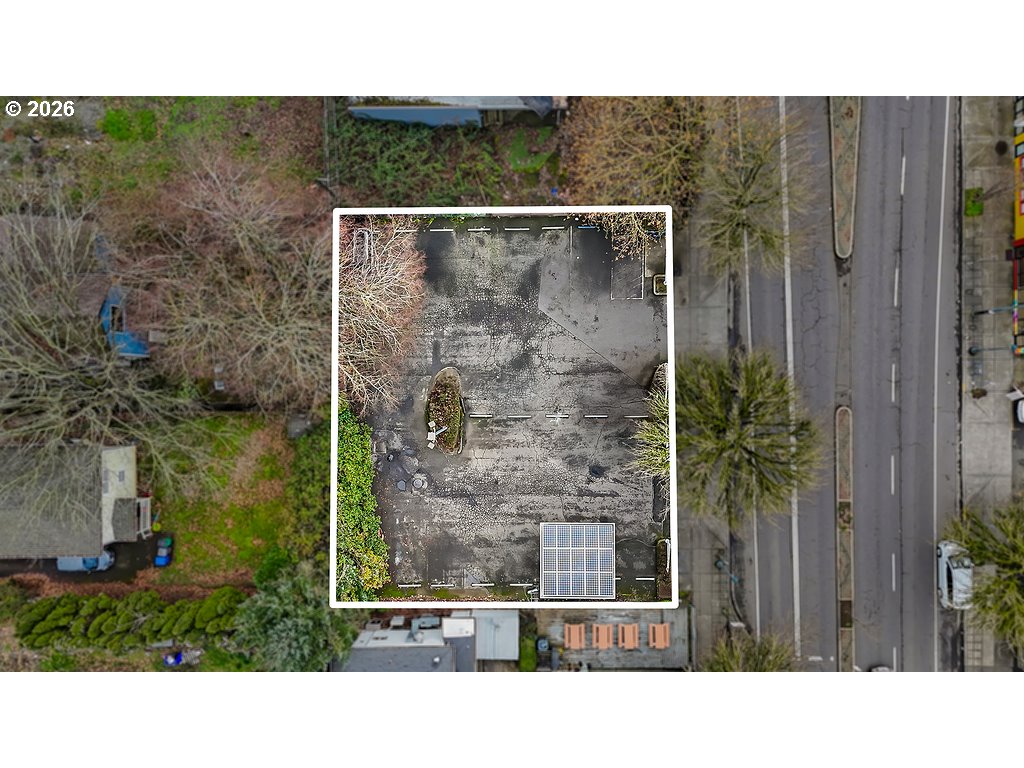
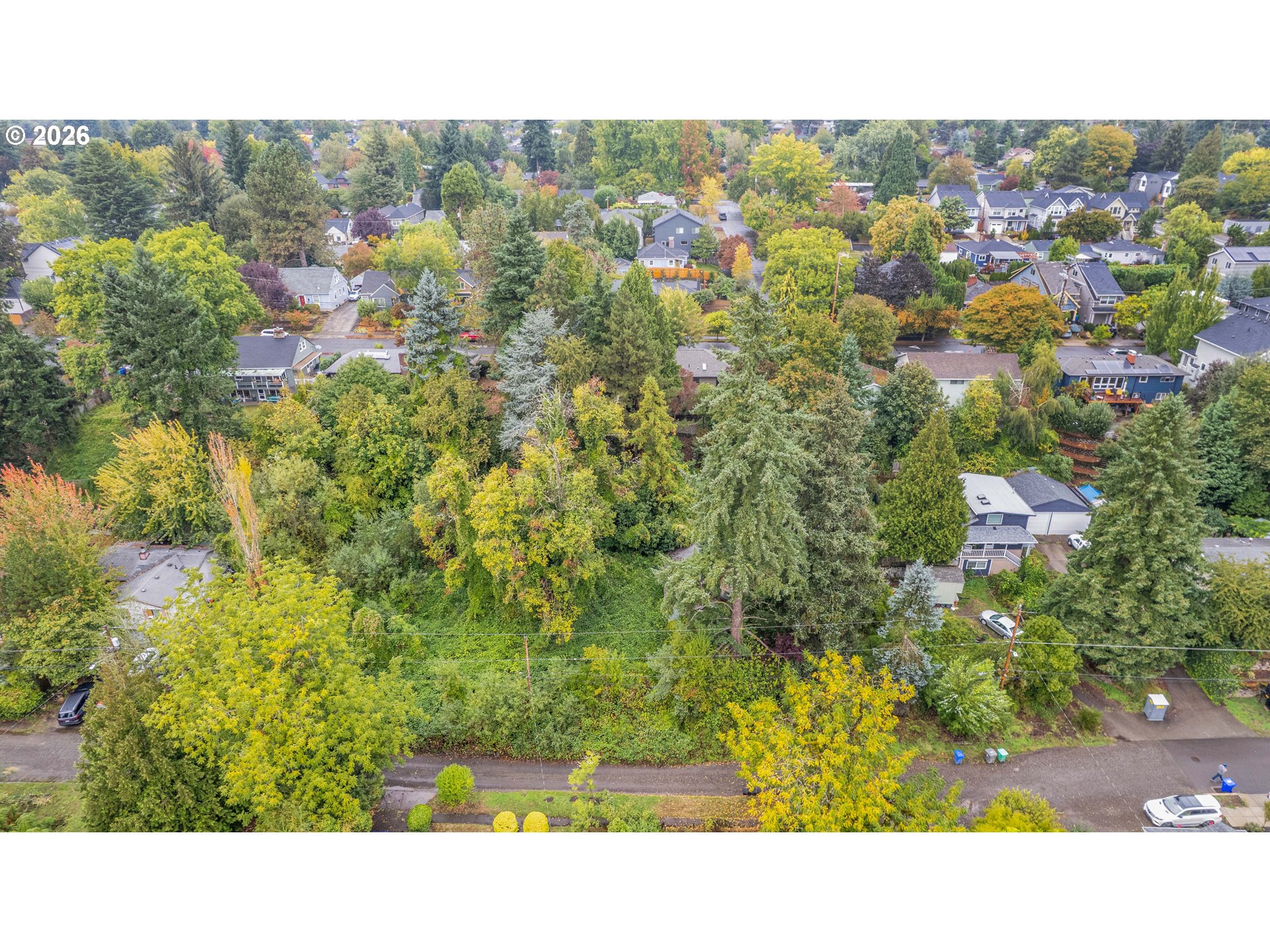
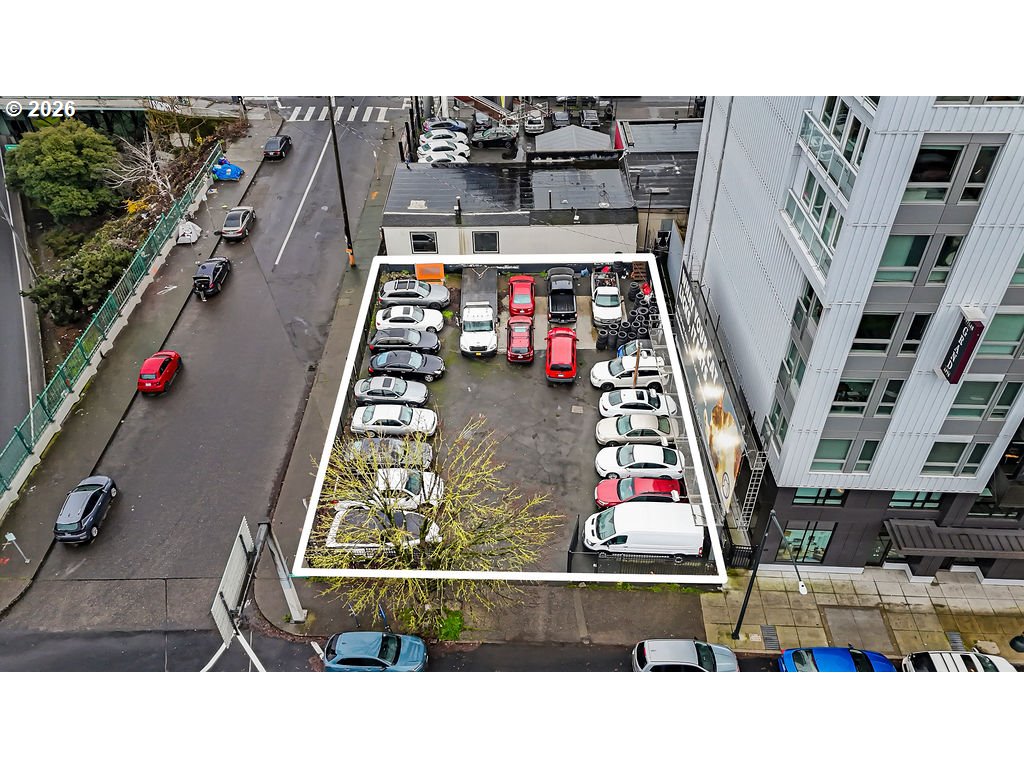
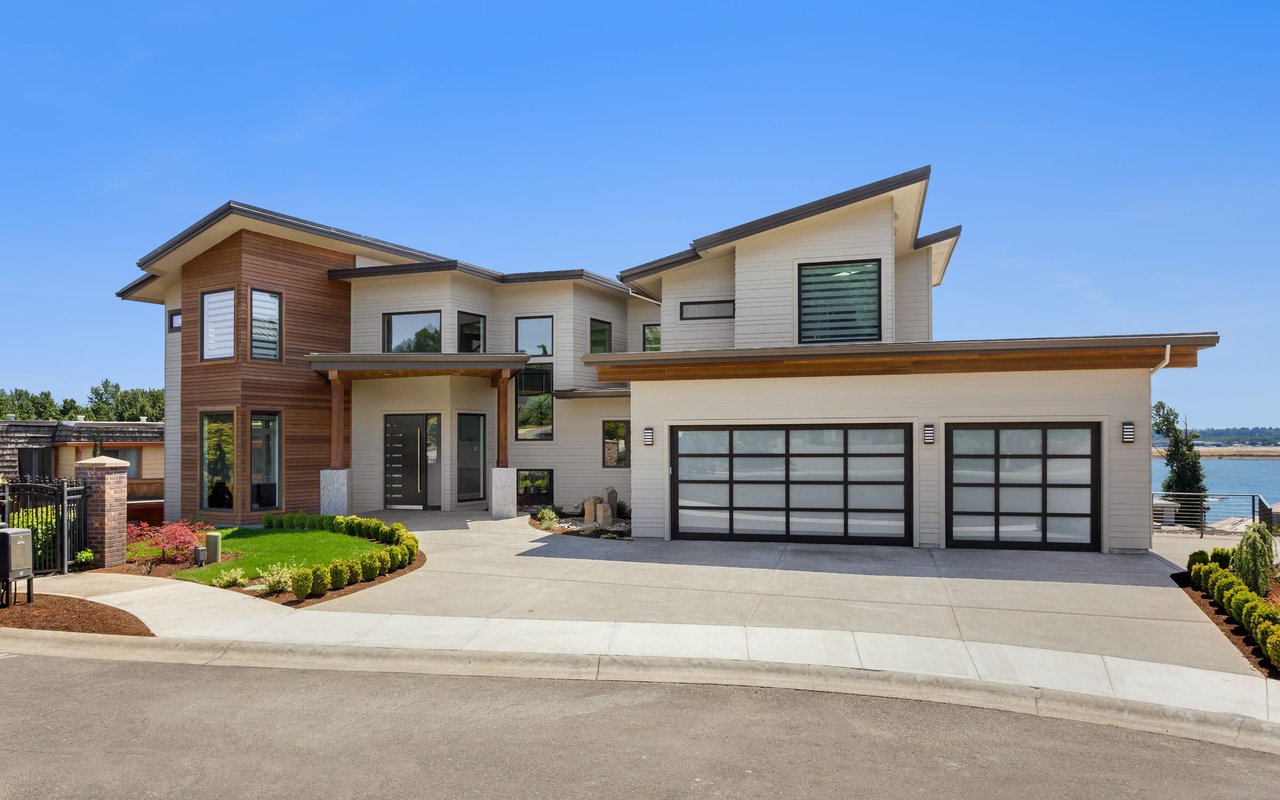
Buy land in Portland to build exactly what you envision or hold a smart long-term investment in one of the Pacific Northwest's fastest-growing metros.
Portland, OR Housing Market Trends
The single biggest factor driving the long-term value of land in Portland is Oregon’s pioneering Urban Growth Boundary (UGB). By state law, the Portland metropolitan region is enclosed by a strict boundary designed to preserve surrounding farms, forests, and green spaces from suburban sprawl. Unlike most U.S. cities—where a developer can simply buy farmland on the outer periphery to build new subdivisions—Portland cannot expand outward. This creates an exceptionally limited supply of raw, buildable residential land within city limits. Owning a lot inside Portland’s UGB means holding a finite, non-replicable asset in a major West Coast city, guaranteeing built-in scarcity that naturally insulates and supports land values over time in a way that unbounded real estate markets simply cannot replicate.
Portland is at the forefront of urban zoning reform, making a single parcel of land significantly more valuable and versatile than comparable lots in other parts of the country. Through Portland’s Residential Infill Project (RIP)—spurred by Oregon's House Bill 2001—almost every standard residential lot in the city is zoned to allow "missing middle" housing by right. This means a buyer or investor who purchases a single standard lot isn't restricted to building just one single-family house; depending on the zone, you can legally build duplexes, triplexes, fourplexes, or cottage clusters, complete with expedited "Middle Housing Land Divisions" that allow you to divide and sell each unit independently. This regulatory framework dramatically increases the potential return on investment (ROI) per square foot of land compared to most U.S. cities, where restrictive single-family zoning still severely limits what can be built on an individual lot.
Buying land in rural Oregon or outlying suburbs often comes with steep hidden costs, such as installing septic systems, drilling wells, navigating complex county road access, or paying massive utility extension fees. In contrast, acquiring infill land or an empty lot within Portland’s urban core gives you immediate access to established municipal grid infrastructure—including city water, sewer, power, and high-speed fiber internet—as well as paved streets, sidewalks, and public transit connections. Furthermore, because Portland’s city design prioritizes urban forestry and greenways, a lot in Portland often comes with mature canopy trees, proximity to world-class parks like Forest Park or Mount Tabor, and strict environmental protections that preserve the natural aesthetic of the neighborhood. You get the rare combination of a shovel-ready build site fully integrated into an urban infrastructure network, situated right alongside the iconic natural landscape of the Pacific Northwest.
Contact us today for expert local advice, private tours, and guidance tailored to your goals. Whether you're navigating your first home purchase or upgrading to your ideal Portland, OR property, we’ll help you move with confidence in one of Oregon’s most sought-after markets.
Not every vacant parcel of land within city limits is automatically eligible for a building permit. To confirm buildability, buyers must apply for a formal "Lot Confirmation" through Portland’s Bureau of Development Services (BDS). This administrative process reviews historic deeds and recorded plats to establish whether the plot qualifies as a legal "Lot of Record" created before specific historical land-use deadlines. Skipping this crucial due-diligence step risks purchasing a piece of land that cannot legally host a structure without costly and uncertain land-division approvals.
System Development Charges (SDCs) are mandatory one-time fees levied by the City of Portland to offset the impact of new construction on municipal infrastructure. These fees fund local parks, transportation networks, environmental services, and water delivery systems, often adding $20,000 to $40,000+ to a project budget. SDCs are calculated based on the square footage, planned use, and total number of dwelling units being added to the property. However, certain developments—such as income-restricted affordable housing or smaller Accessory Dwelling Units (ADUs)—may qualify for city fee exemptions or reductions.
Portland enforces strict urban canopy regulations under Title 11 of the City Code, which heavily impacts site design, grading, and building footprints. Any healthy tree measuring 12 inches or more in diameter at breast height (DBH) generally requires a city permit and approved site plan to alter or remove. If a tree must be removed to accommodate construction, developers are required to plant replacement trees on-site or pay fee-in-lieu mitigation costs, which can reach hundreds of dollars per inch of diameter. Additionally, designated "Heritage Trees" or large native legacy species face strict deed restrictions and nearly impossible removal hurdles.
Under Portland’s Residential Infill Project (RIP), most standard single-family residential zones (R2.5, R5, and R7) permit multi-family "middle housing" by right. This means buyers can typically build duplexes, triplexes, fourplexes, or cottage clusters on a single lot without applying for complex rezoning variances. The city also offers "Middle Housing Land Divisions," allowing developers to divide a multi-dwelling building into separate townhomes for individual fee-simple sale. However, projects must still adhere strictly to zone-specific maximum floor area ratios (FAR), height limits, and lot coverage caps.
Many vacant lots in Portland—particularly in the West Hills, along river corridors, or near natural waterways—are subject to strict environmental overlay zones and geological hazard rules. Overlay designations, such as Environmental Protection ('p') or Environmental Conservation ('c'), strictly limit site clearing, tree removal, and grading to protect natural habitats. Lots situated on steep slopes also trigger mandatory geotechnical engineering reviews to mitigate potential landslide and erosion risks. These environmental overlays often require special land-use permits, extending review timelines and significantly raising foundation and engineering costs.
Even if a lot is located in an established, built-out Portland neighborhood, bringing municipal utilities directly to the site can be unexpectedly complex. Buyers must verify whether water, sewer, power, and gas mains run directly in front of the property or if costly main extensions across adjacent properties are required. Furthermore, tapping into city sewer lines and trenching into paved public streets requires specialized permits, contractor bonding, and expensive asphalt restoration fees. Conducting a comprehensive utility verification during the inspection period prevents buyers from facing tens of thousands of dollars in unforeseen site-preparation costs.
Whether you're planning to build your dream home or looking for a smart long-term investment, The Portera Group is here to help. Reach out with any questions or to start your search—we'll guide you through every step of finding the right piece of land in Portland.
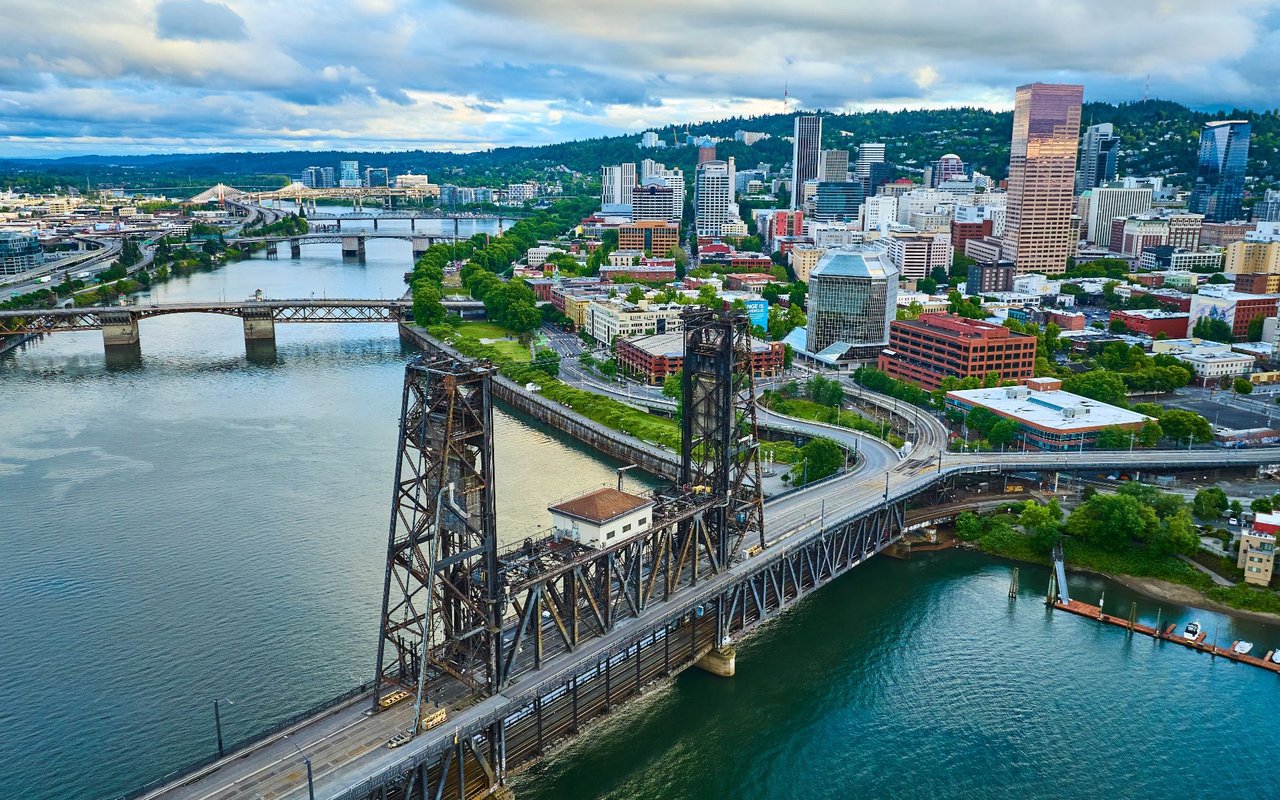
Discover the charm and character of Portland, OR—one neighborhood at a time. From the tree-lined streets of the West Hills to the vibrant energy of the Pearl District, each area offers its own distinct lifestyle, architecture, and appeal. Explore our Portland neighborhood guide to find the community that feels like home.
We believe informed clients make confident decisions, which is why we love sharing our knowledge beyond the transaction. Our blog goes beyond market trends to offer behind-the-scenes insight into homeownership, neighborhood favorites, home maintenance, and how we guide our clients every step of the way. Whether you’re buying, selling, or investing, you’ll find practical tips, local perspective, and data designed to help you feel prepared.