

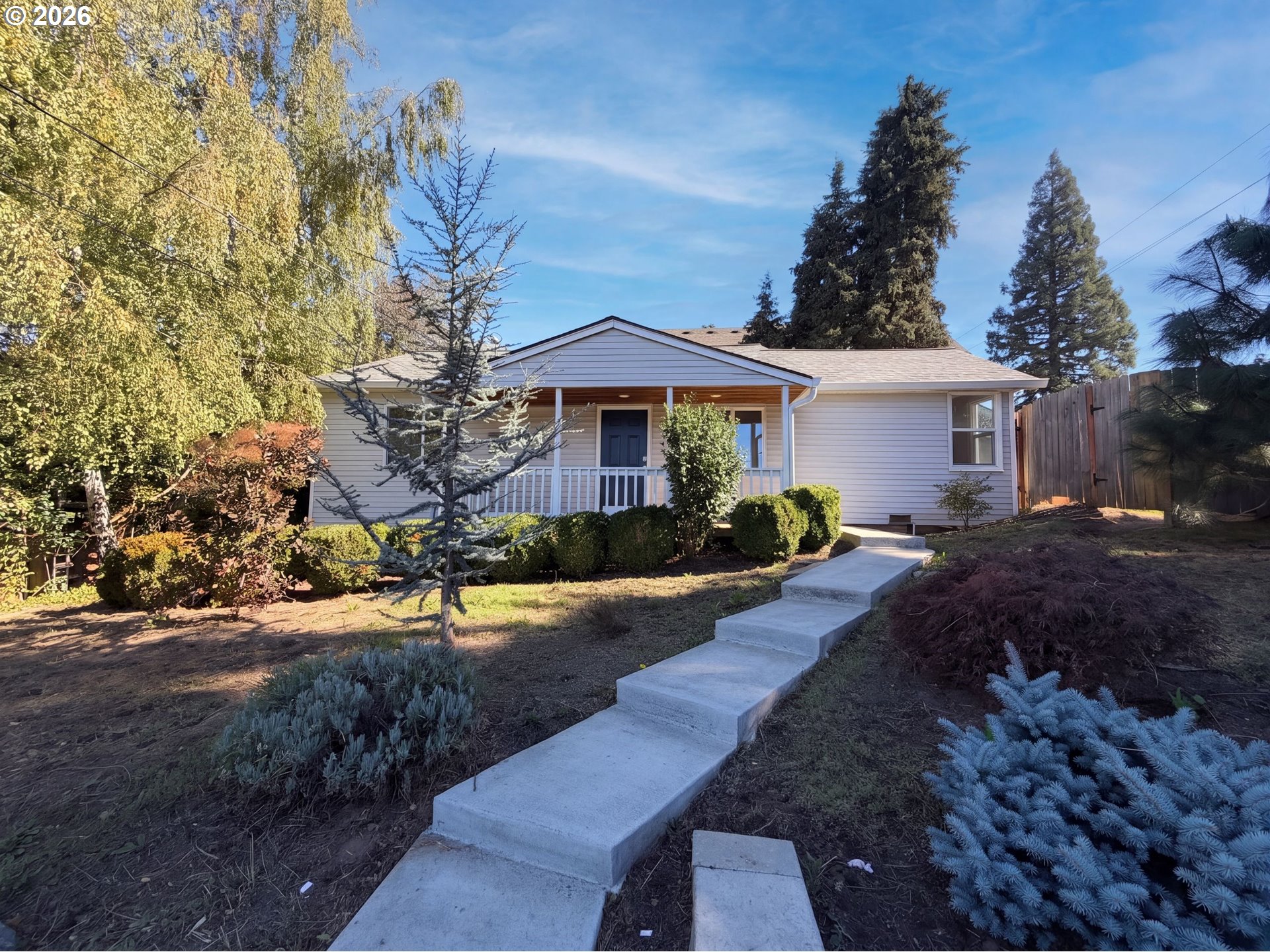


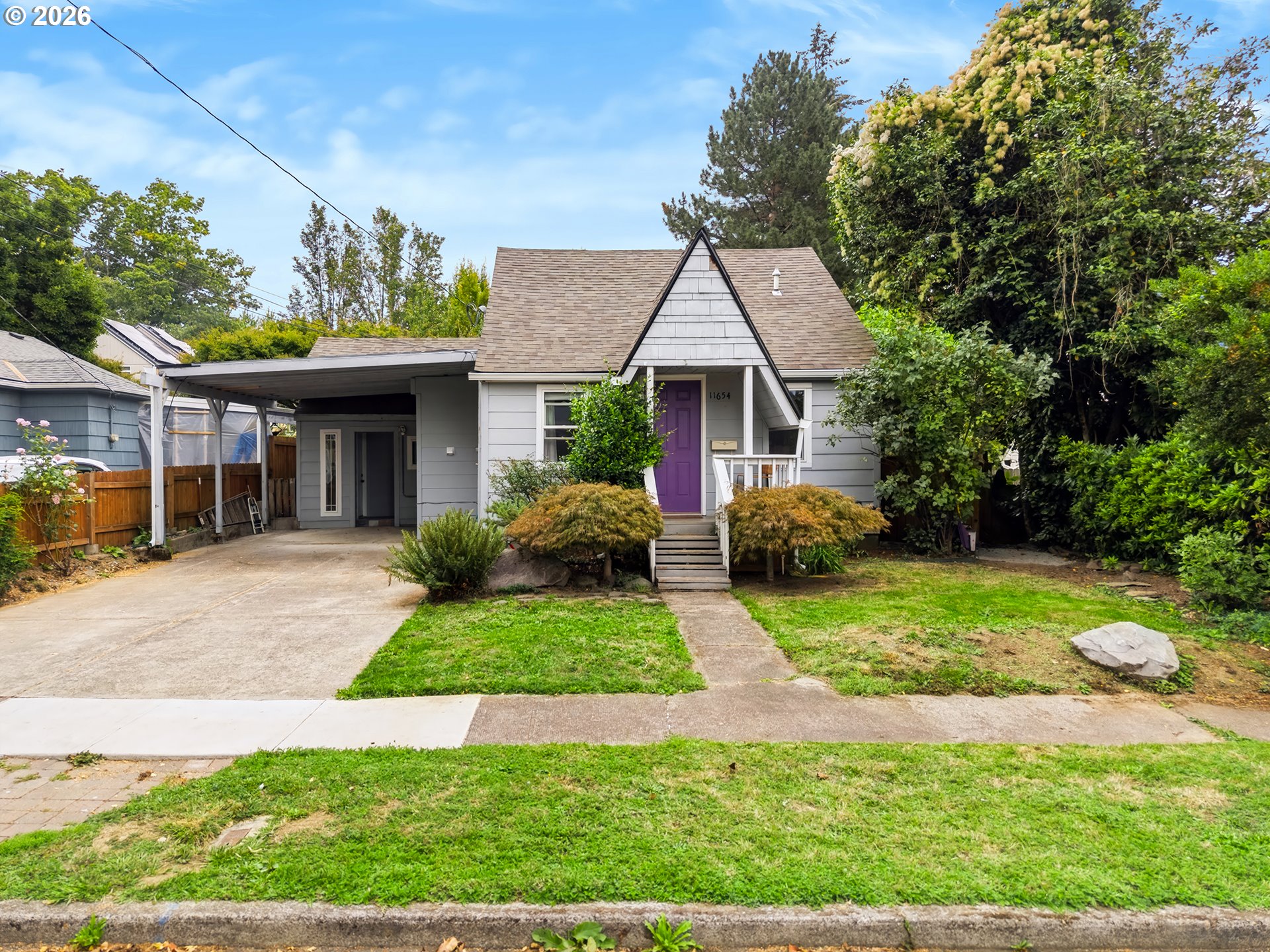


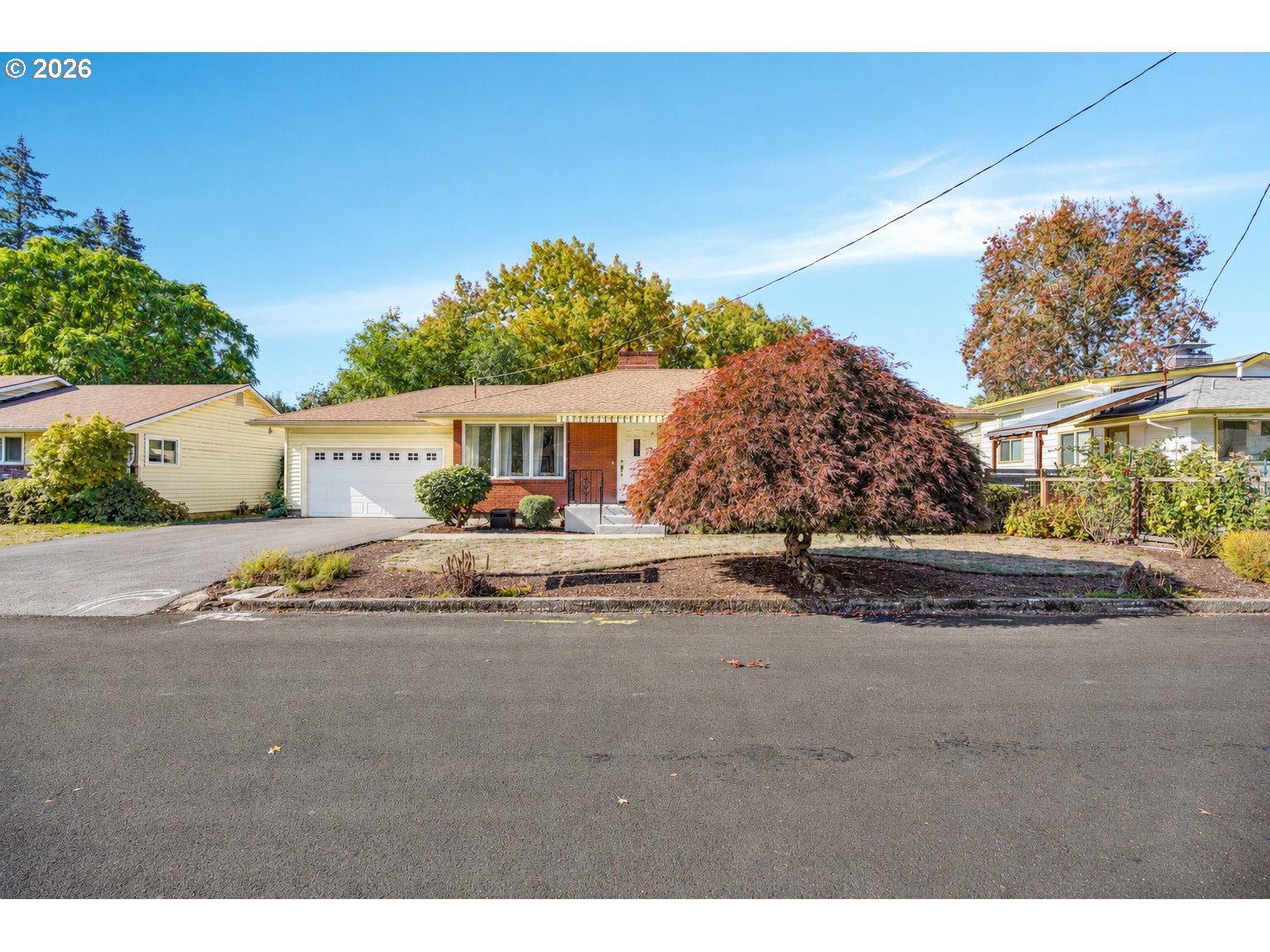








What's your Milwaukie home worth?
Loading valuation...
21,256 people live in Milwaukie, where the median age is 39.9 and the average individual income is $47,031. Data provided by the U.S. Census Bureau.
Total Population
Median Age
Population Density Population Density This is the number of people per square mile in a neighborhood.
Average individual Income
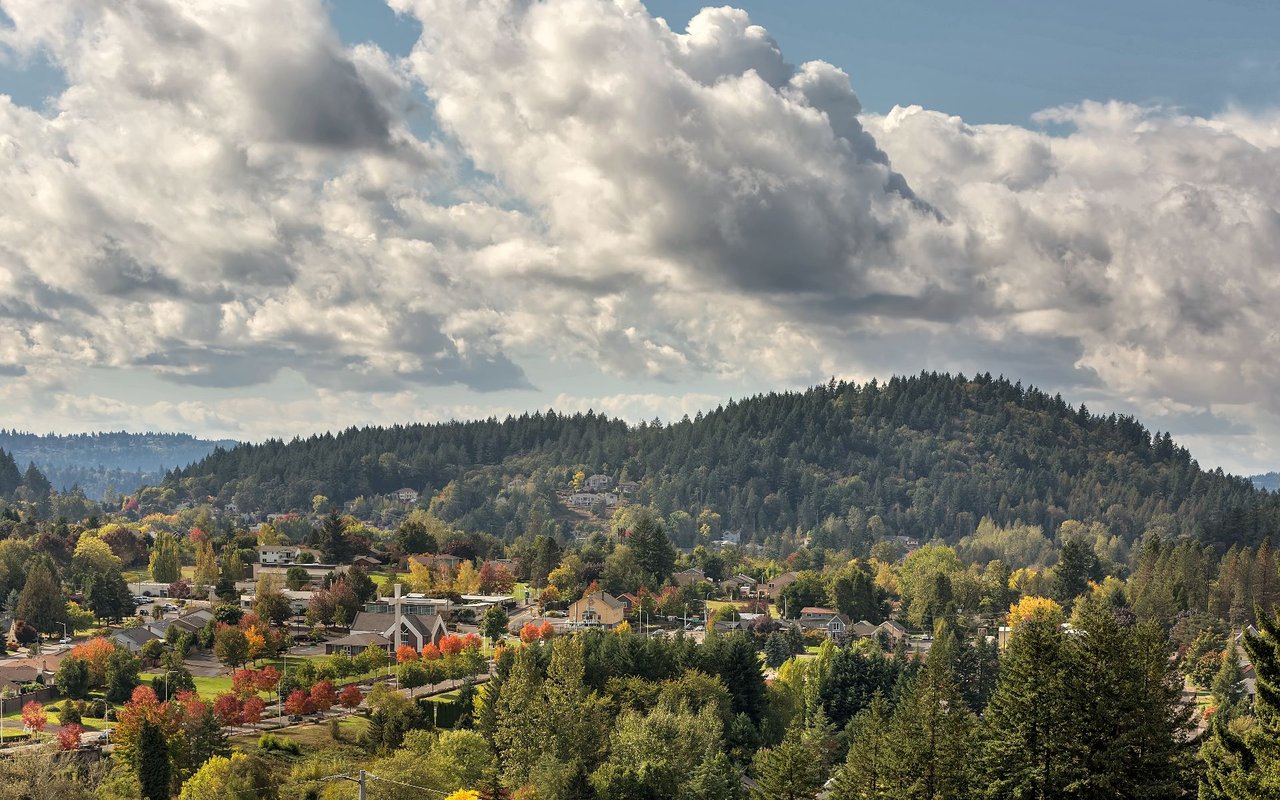
Milwaukie is the rare Portland-adjacent city that never tried to become a bedroom suburb. It was a working river town before Portland found its footing, and that history still shapes how the place feels: a compact downtown with a genuine main street, neighborhoods of century-old bungalows shaded by mature trees, and a shoreline on the Willamette that residents actually use. It sits in Clackamas County, roughly six miles south of downtown Portland, and it holds a population of around 21,000 — small enough that the farmers market functions as a weekly social event, large enough to support a real restaurant and brewery scene.
What draws buyers here is a specific combination that's genuinely hard to find in the metro: light rail service directly into downtown Portland, single-family homes on real lots, and pricing that still runs below Portland proper. Milwaukie gives you an urban commute without an urban price tag or an urban lot line. For buyers priced out of Sellwood or Eastmoreland but unwilling to trade walkability for a cul-de-sac twenty miles out, Milwaukie is usually the answer — and it's a city we find ourselves showing more and more often as the Portland market tightens.
The tradeoff is worth naming honestly. Milwaukie's housing stock is older on average than newer suburbs like Happy Valley, which means inspections matter more here. McLoughlin Boulevard carries real traffic volume and divides parts of the city. And the riverfront pockets that make Milwaukie so appealing come with flood-zone considerations that a casual buyer can miss. None of these are dealbreakers — they're just reasons to walk the neighborhoods with someone who knows them.
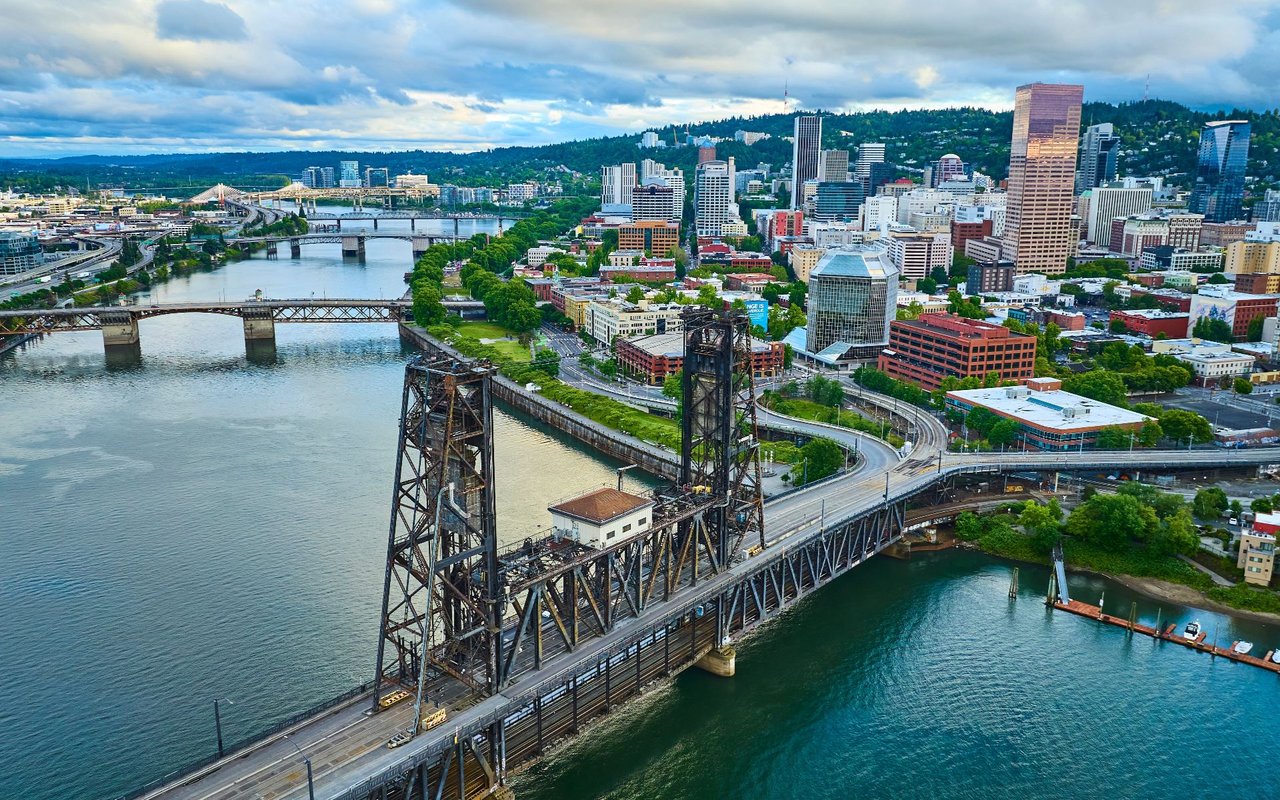
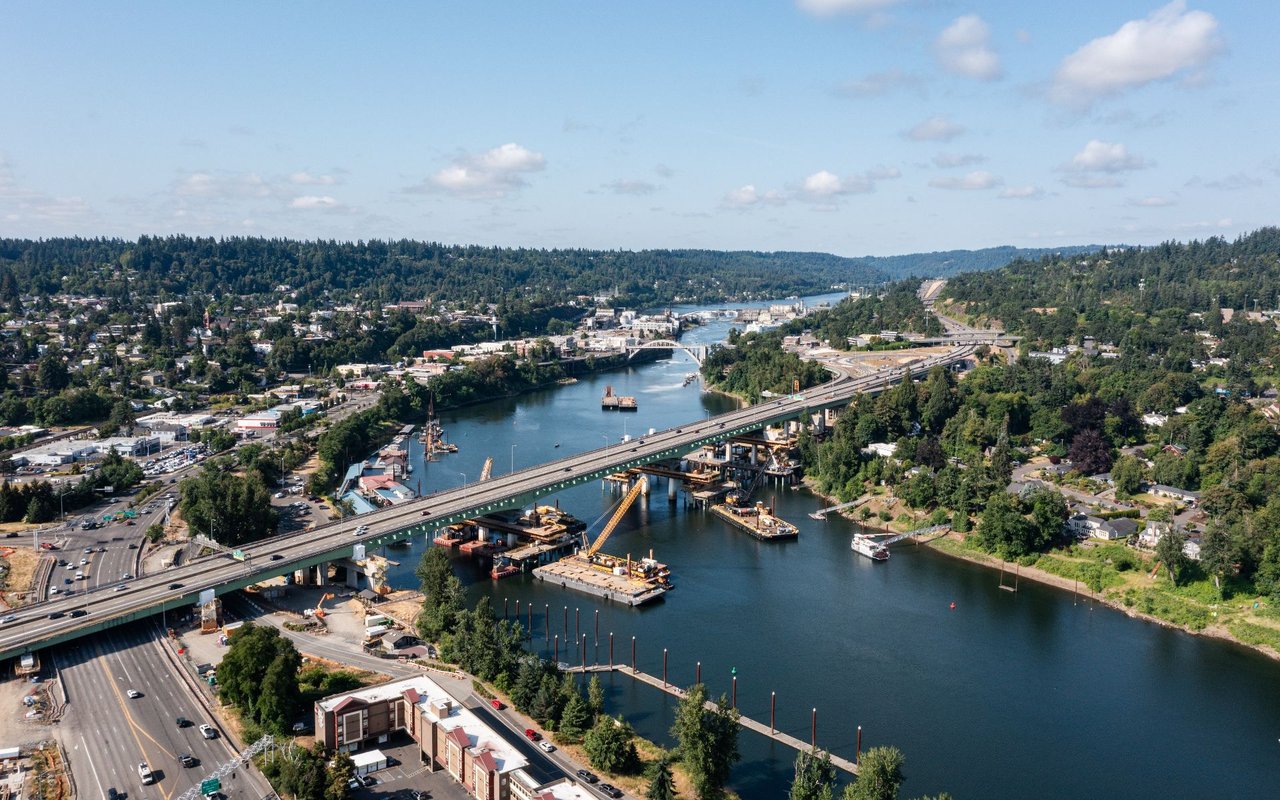
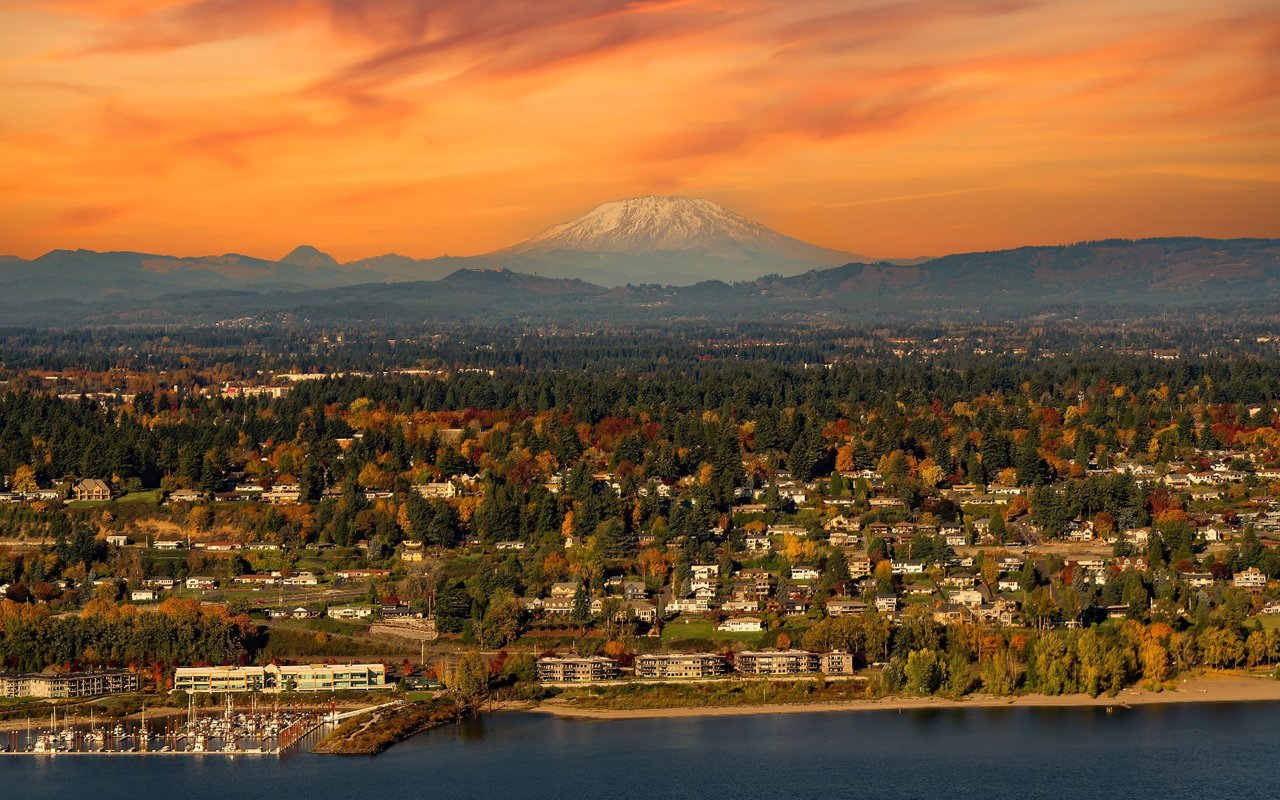
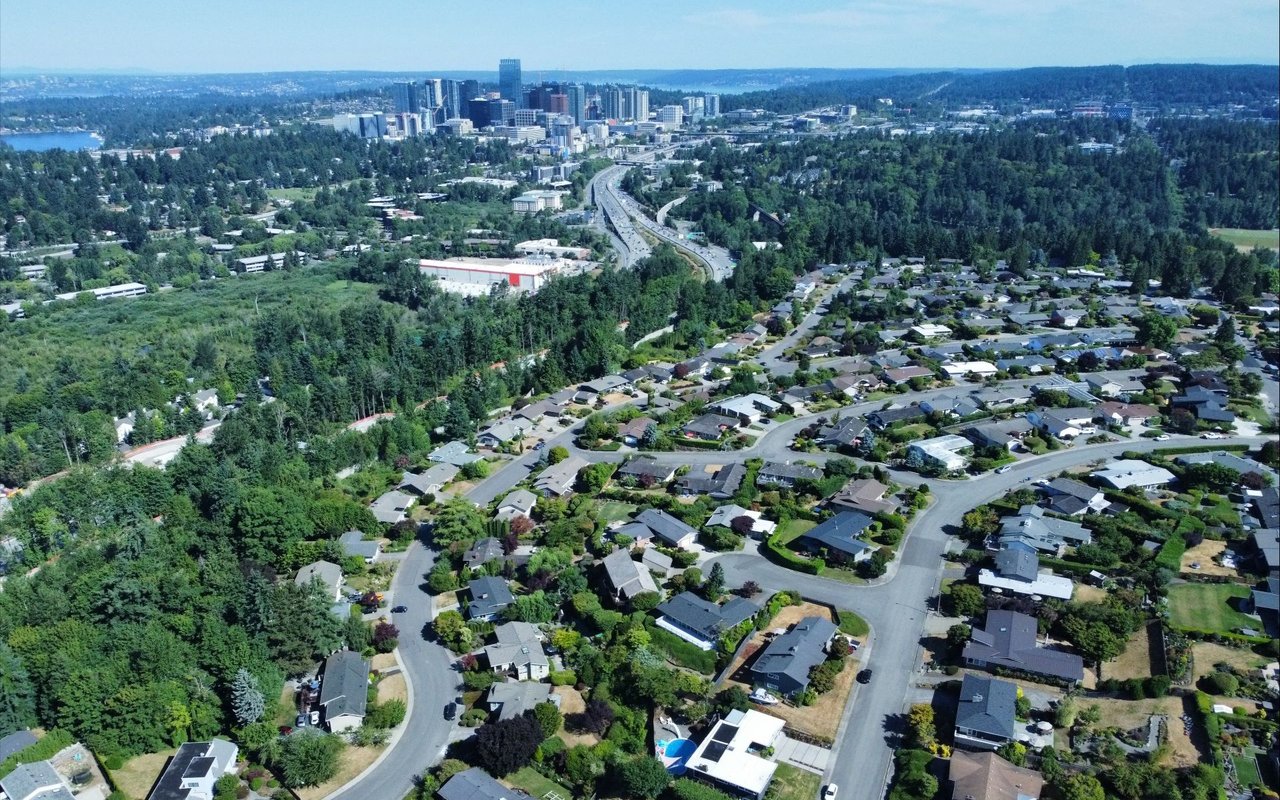
Milwaukie occupies the east bank of the Willamette River at the northern edge of Clackamas County. Southeast Portland sits immediately to the north — the border runs along Johnson Creek in the Ardenwald area, close enough that some streets change jurisdictions mid-block. Oak Grove and Gladstone lie to the south, and Happy Valley and Clackamas sit to the east.
That position is the whole story of Milwaukie's appeal. Downtown Portland is about six miles north, a drive of roughly 15 minutes outside of peak hours via OR-99E (McLoughlin Boulevard). Highway 224 connects east to I-205, which puts Portland International Airport and Vancouver, Washington within reasonable reach. Clackamas Town Center is a short drive east, and the Oregon coast is about 90 minutes west.
For buyers relocating from out of state, the practical takeaway is this: Milwaukie is close-in without feeling like the city. You are in Clackamas County, not Multnomah, which affects your property tax picture and your school district. And you are on the east side of the river, which means access to Portland's eastside neighborhoods is easy and access to the westside tech corridor is a longer haul.
Milwaukie attracts buyers looking for relative affordability near Portland alongside a small-town, suburban feel — and the numbers support that positioning.
Median listing prices generally run in the $450,000 to $550,000 range depending on neighborhood, with price per square foot averaging around $290. Hector Campbell, Lake Road, and Ardenwald each sit at different points inside that band, and the spread between them is meaningful. A daylight ranch on a generous lot in Hector Campbell and a 1920s cottage near the river in Island Station can carry similar price tags while offering entirely different value propositions.
Home prices in Milwaukie track slightly below Portland averages. In practice that means more house, more lot, or both, for the same money — while keeping the same quick access to the city. That gap is the single strongest reason buyers cross the county line.
Demand here is driven by a short list of durable factors: the MAX Orange Line, a walkable downtown that has genuinely improved over the past decade, riverfront park access, and a local culture anchored by recognizable names — Dark Horse Comics is headquartered downtown and Bob's Red Mill operates just east of the city center. These aren't marketing points; they're employers and destinations that keep the area's identity distinct from its neighbors.
A note on strategy from our side of the table: Milwaukie's inventory is varied enough that comparable sales require care. Two homes a half-mile apart can sit in different neighborhoods, different school attendance areas, and different flood designations. Pricing and offer strategy here rewards local knowledge more than a broad metro average ever will.
Milwaukie's housing stock reflects more than a century of layered development — early river town, postwar suburb, and now a transit-oriented Portland alternative. Understanding which era a home comes from tells you most of what you need to know about its condition, its systems, and its likely appreciation.
Craftsman and bungalow (1900s–1930s). Concentrated in the older pockets near the Willamette. Expect low-pitched gabled roofs, exposed beams, deep covered front porches, and built-in woodwork designed for Pacific Northwest living. These homes carry the most character and the most maintenance history — knob-and-tube wiring, original plumbing, and foundation questions are all worth checking.
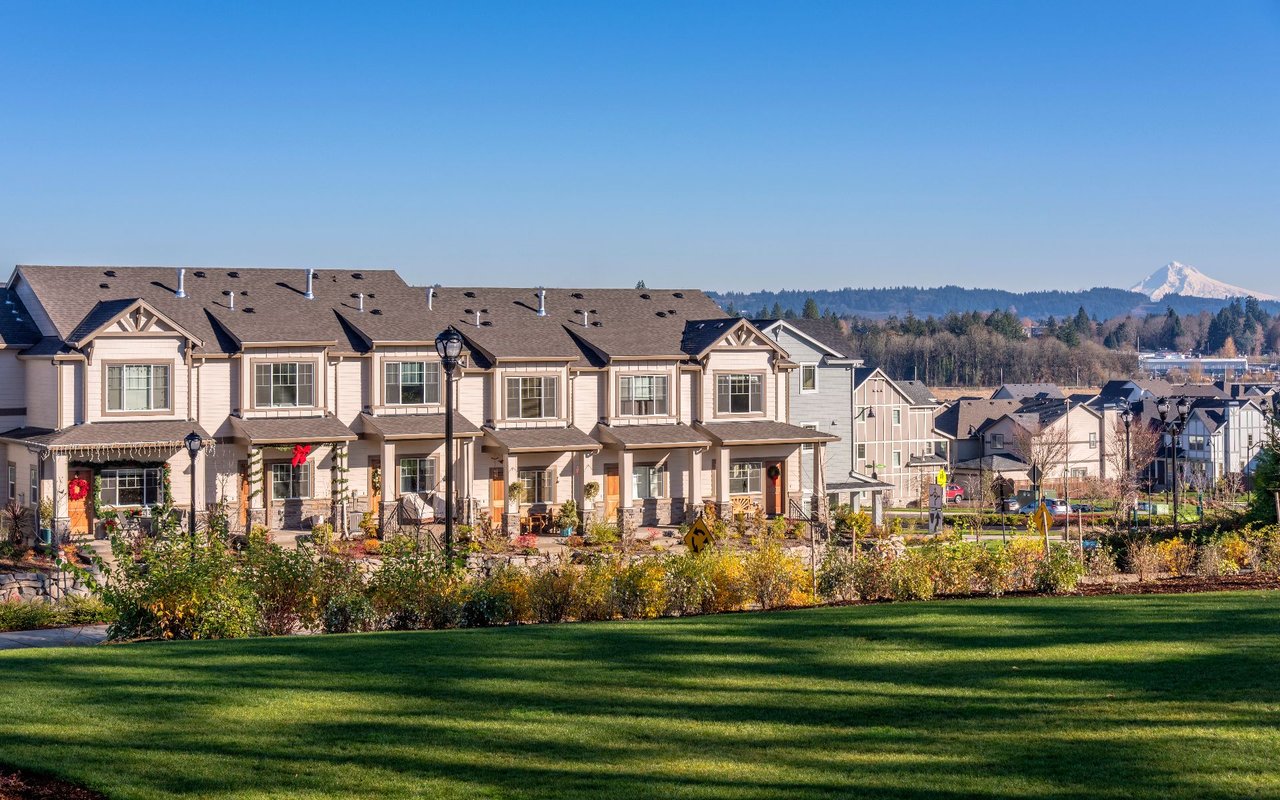
Mid-century ranch and split-level (1950s–1970s). The dominant style across eastern and southern Milwaukie. Sprawling single-story layouts, daylight ranches built into sloped lots, attached garages, and deep backyards. This is where buyers often find the best square-foot value in the city, and these homes generally have simpler, more predictable systems than the pre-war stock.
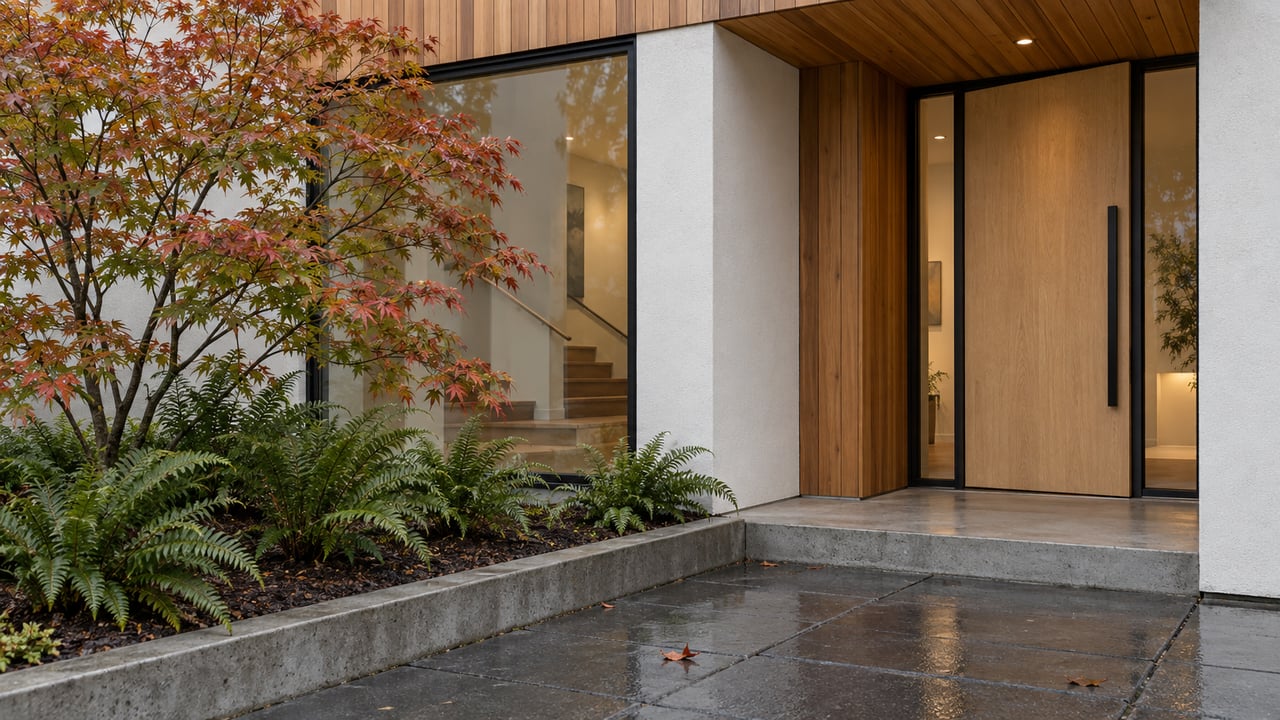
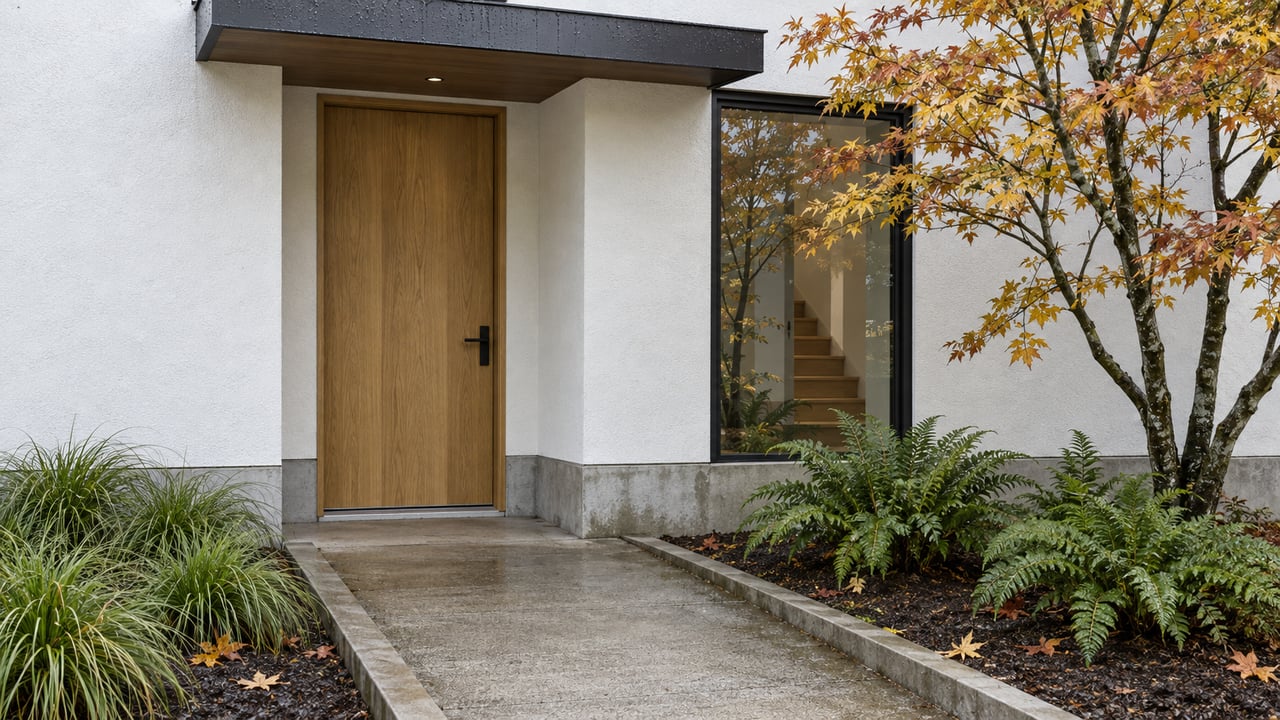
Northwest contemporary and modern farmhouse. Newer custom builds and infill developments emphasize floor-to-ceiling glass, mixed wood and stone siding, and open floor plans that make the most of limited winter light.
Middle housing and infill. Oregon's land-use reforms have opened historically single-family lots near transit to cottage clusters, duplexes, and accessory dwelling units. For investors and multigenerational buyers, this is one of the more interesting developments in the metro — and in Milwaukie it's concentrated exactly where demand is highest, near the Orange Line.
Milwaukie is organized into distinct neighborhood association areas, and the differences between them are real. Here's how they compare:
Neighborhood | Character & Housing | What Defines It |
|---|---|---|
Historic Milwaukie (Downtown) | Walkable urban-suburban core; historic Craftsman, bungalows, modern condo and apartment infill | MAX Orange Line terminus, Milwaukie Bay Park, breweries, weekly farmers market |
Ardenwald-Johnson Creek | Wooded, artsy, bike-friendly; classic bungalows and mid-century ranches | Straddles the Portland border along Johnson Creek; direct Springwater Corridor access |
Island Station | Quiet riverfront pocket; 1920s cottages and custom homes | Scenic and secluded with river views and park access — verify flood status on low-lying lots |
Lewelling | Established residential streets; well-maintained mid-century ranches and split-levels | Family-oriented, anchored by Lewelling Park and neighborhood schools |
Lake Road | Versatile suburban corridor; ranches, townhomes, larger single-family lots | Convenient to shopping, North Clackamas Park, and regional transit |
Hector Campbell | Elevated and spacious; mid-century daylight ranches on generous lots | The best land-per-dollar in the city relative to the downtown core |
Linwood | Practical, transit-connected; functional mid-century housing | Eastern edge; fastest routes to Highway 212 and I-205 for commuters |
If you're weighing these against each other, the short version: choose Historic Milwaukie or Ardenwald for walkability and character, Hector Campbell or Lake Road for space and value, Island Station for the river, and Linwood for commute efficiency.
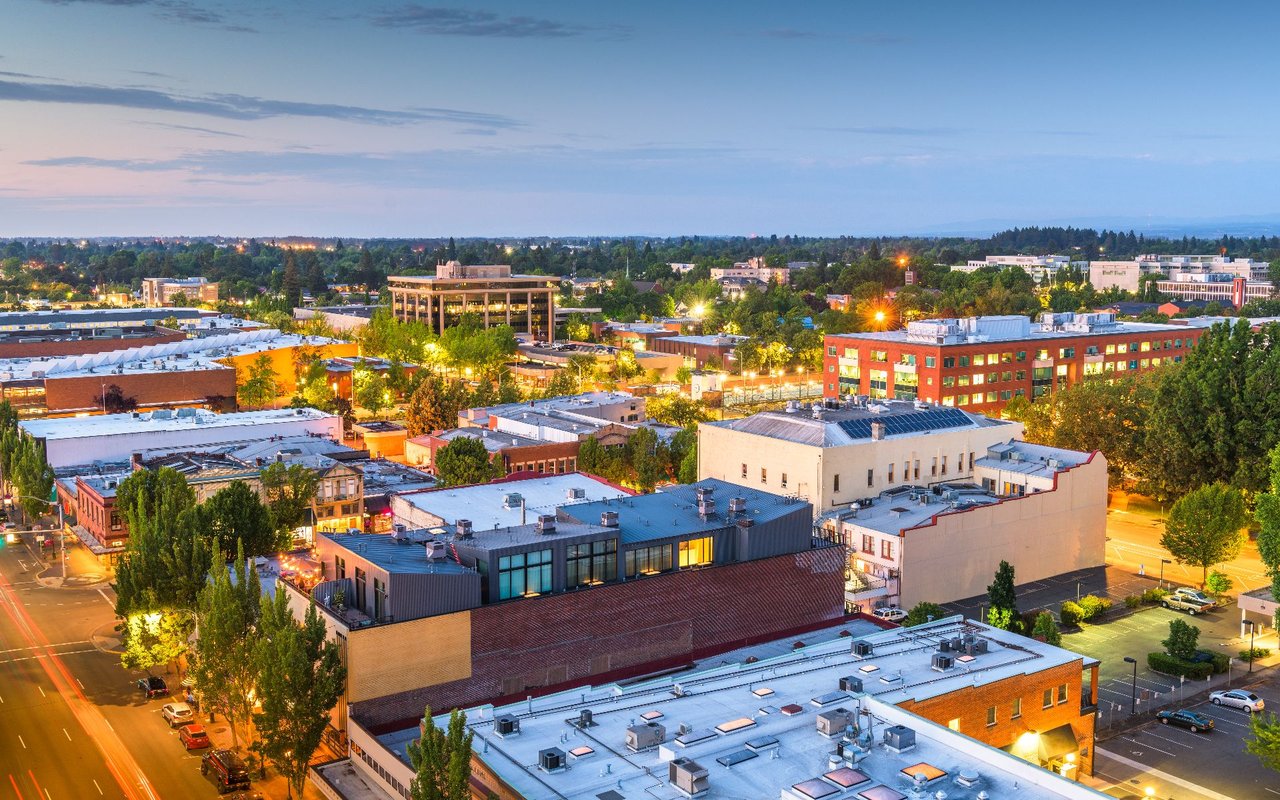
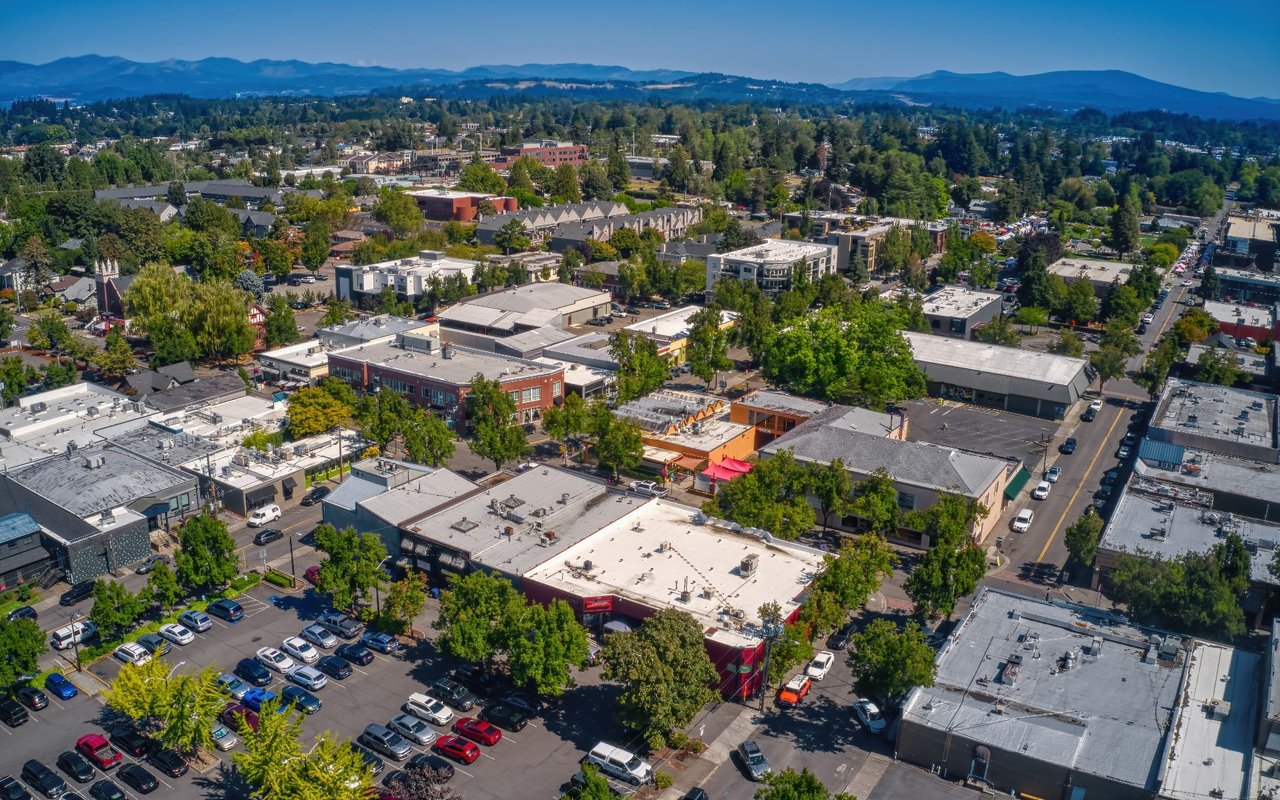
Downtown Milwaukie has changed substantially over the past decade, and the change has been additive rather than erasing. Centered on Main Street and bordered by McLoughlin Boulevard, the district pairs a compact historic main street with direct access to the Willamette shoreline — a combination Portland's own eastside can't quite match.
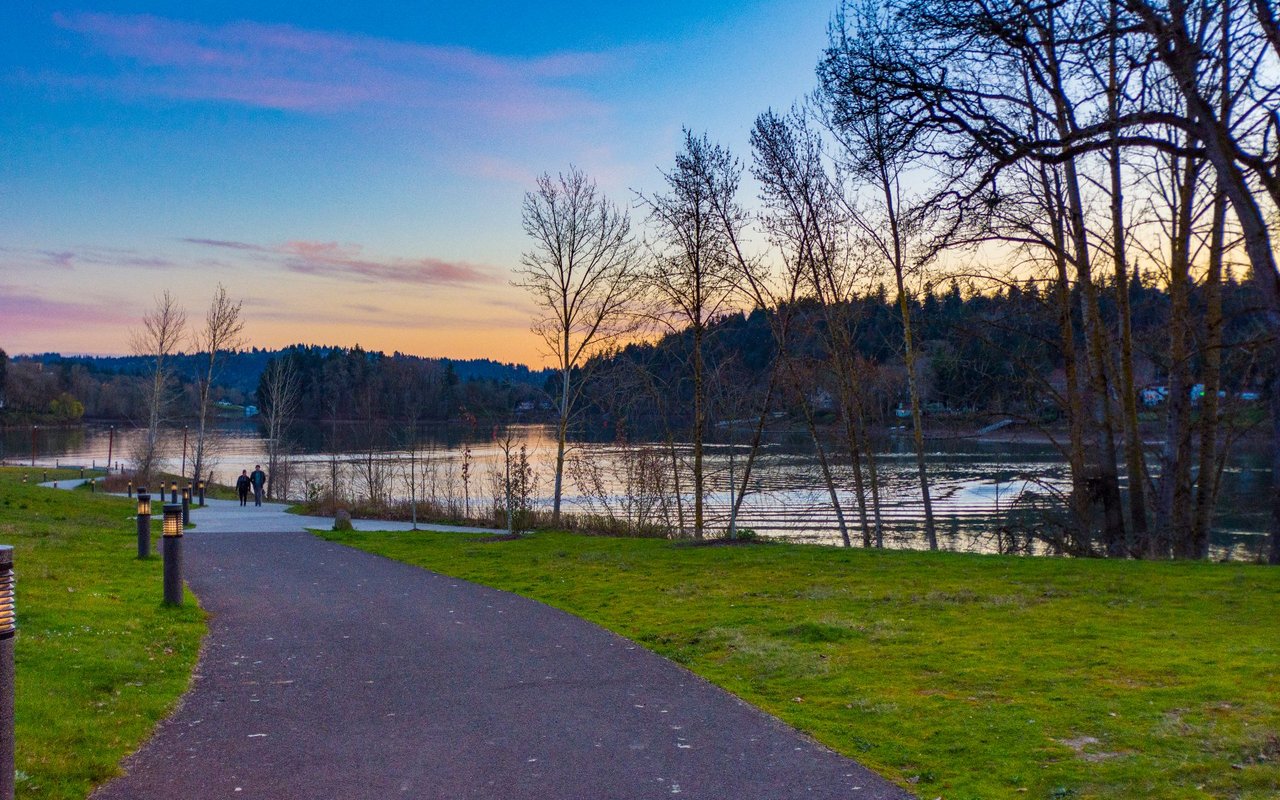
Milwaukie Bay Park is the centerpiece. Grassy lawns, walking paths, boat and kayak launch access, and open river views make it the city's default gathering place, and it hosts community events, outdoor concerts, and seasonal festivals through the warmer months.
The Milwaukie Farmers Market runs Sundays from May through October at South Main and Harrison Streets, bringing produce, food vendors, and live music into the heart of downtown. It's one of Oregon's longest-running outdoor markets and functions as the weekly anchor of civic life here.
The transit center at the southern end of the MAX Orange Line sits right in the core, which is why downtown-adjacent housing commands the premium it does.
The retail character downtown leans independent — coffee shops, craft breweries, taprooms, antique dealers, and local restaurants rather than national chains. For buyers coming from a big-box suburb, that difference registers immediately.
Milwaukie's geography is defined by water and greenway, and outdoor recreation here is woven into residential neighborhoods rather than set apart from them.
The Springwater Corridor Trail runs through northern Milwaukie — 21 paved miles along a former rail line connecting north to downtown Portland and east to Gresham. For cyclists, it is a genuine car-free commuting route, not a weekend amenity.
North Clackamas Park is the major regional park, 47 acres with sports fields, a dog park, walking paths along Kellogg Creek, covered picnic shelters, and natural play areas.
Elk Rock Island, reached through Spring Park in the Island Station neighborhood, is the local secret worth knowing. A seasonal land bridge leads to a 13.6-acre natural area formed by ancient volcanic rock sitting in the Willamette River — one of the more unusual pieces of geography in the metro area.
Tideman Johnson Natural Area offers soft-surface trails and birdwatching along Johnson Creek, steps from Ardenwald.
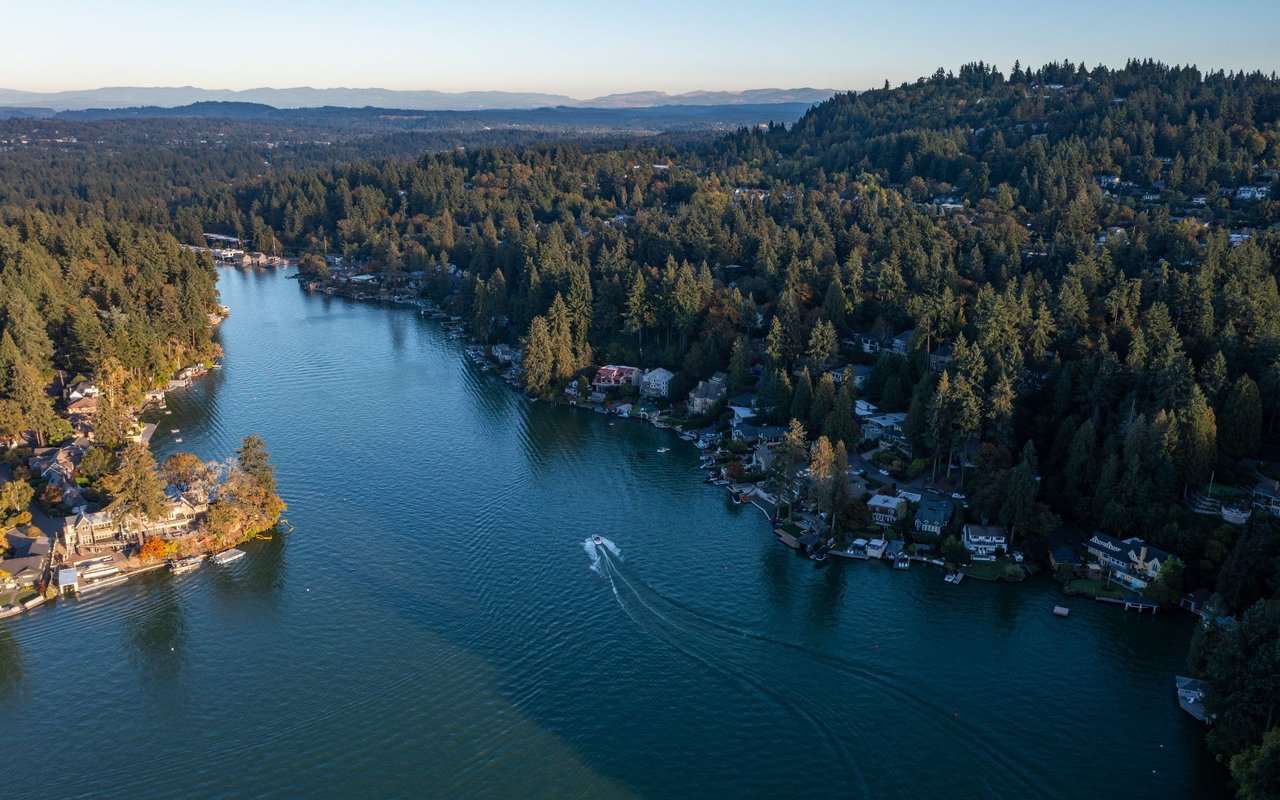
The river itself supports paddleboarding, kayaking, non-motorized boating, and summer beach recreation, with public access at Milwaukie Bay Park and Riverfront Park.
Milwaukie is among the most transit-connected suburban communities in the Portland metro, and for many buyers this is the deciding factor.
The MAX Orange Line connects downtown Milwaukie to Portland State University and downtown Portland in roughly 20 to 25 minutes, crossing the Willamette via the Tilikum Crossing bridge. Trains generally run every 15 minutes. The key stations are Milwaukie/Main St downtown and SE Park Ave, a major park-and-ride at the southern terminus. Trains carry bike racks, and major stations offer secure bike lockers.
Driving into Portland via OR-99E averages about 15 minutes outside peak hours. Heading east, Highway 224 links to I-205 for access to Vancouver and PDX.
Bus service through TriMet — including Lines 33 and 75 — connects Milwaukie neighborhoods to broader Clackamas County and east Portland.
Bike commuting is genuinely viable here thanks to the Springwater Corridor, which is a rarity among Portland's southern suburbs.
Practical advice: if transit access is a priority, proximity to a station affects both your daily life and your resale pool. We'd rather have that conversation before you tour than after you've fallen for a house.
Public education is administered primarily by the North Clackamas School District (NCSD), serving a mix of suburban communities across the area.
Neighborhood elementary options include Ardenwald, Linwood, Lewelling, and Whitcomb, along with El Puente Elementary, a dual-language Spanish immersion program that draws families from across the district. At the middle school level, Wilbur Rowe Middle School serves central Milwaukie, with Alder Creek Middle School covering parts of eastern Clackamas County.
For high school, Milwaukie High School is the historic neighborhood option, established in 1907. Rex Putnam High School serves southern Milwaukie and portions of unincorporated Clackamas County. The Milwaukie Academy of the Arts, located on the Milwaukie High campus, is a magnet program focused on fine, performing, and communication arts — a meaningful draw for families with arts-oriented students.
Alternative and private options include Clackamas Web Academy, New Urban High School (project-based alternative), and the Portland Waldorf School (K–12), located in Milwaukie itself, along with nearby parochial schools.
Attendance boundaries in Milwaukie do not follow neighborhood association lines neatly. If schools factor into your decision, confirm the assignment for the specific address rather than the general area — we check this on every property for families who ask.
Milwaukie's food and retail scene punches above its size, largely because the downtown revitalization attracted operators who wanted a main street rather than a strip mall.
pFriem Family Brewers occupies the restored 1938 Historic City Hall — the city's former fire station — serving award-winning Belgian-style and Pacific Northwest beers with locally sourced food. It's the anchor tenant of the new downtown in every sense.
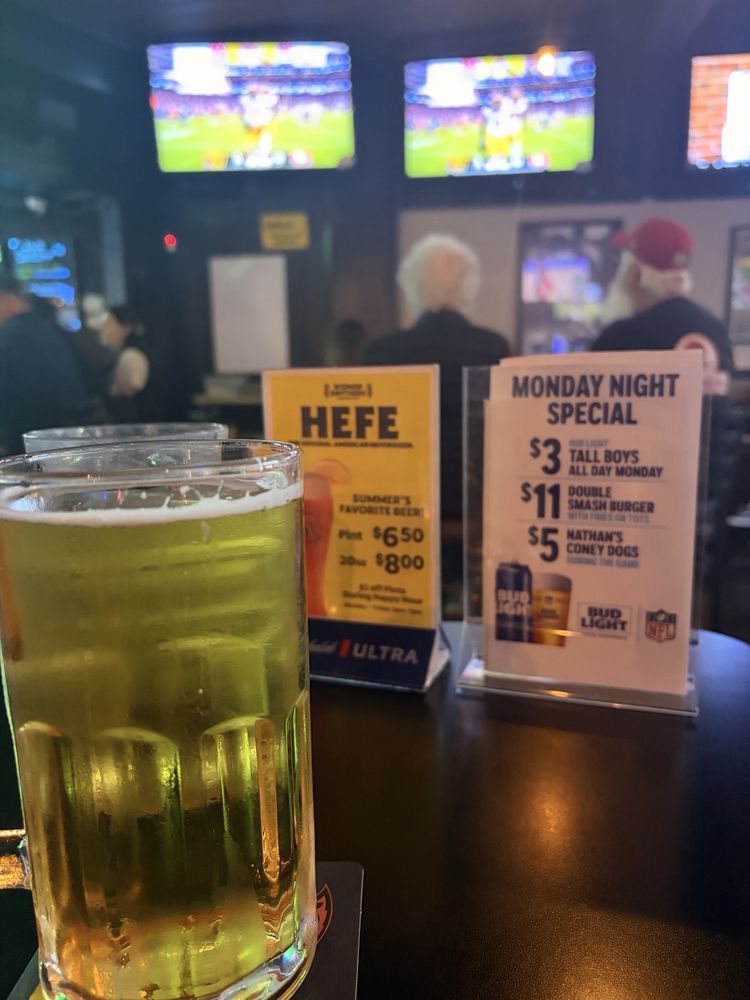
1847 Food Park & Taphouse, anchored by Migration Brewing, runs 32 draft lines across a multi-story space with heated outdoor fire pits and a rooftop deck overlooking downtown and the river. Decibel Sound & Drink pairs craft cocktails with vinyl, and Duffy's Pub holds down the classic neighborhood-bar role.
The Milwaukie Station Food Cart Pod sits right downtown with a rotating global lineup — Hawaiian barbecue, tamales, gourmet burgers, Thai street food. For coffee and baked goods, Keeper Coffee shares the City Hall building, Enchante Chocolatier handles artisan sweets, and Hello Cafe covers daily espresso. Gramma's Corner Kitchen and Libbie's Restaurant anchor the everyday breakfast-and-comfort-food end.
On the retail side, Dark Horse Comics maintains a store at its downtown headquarters, stocking graphic novels, collectibles, and pop culture memorabilia. Bob's Red Mill Whole Grain Store, just east of central Milwaukie, is a destination in its own right with a mill store, bakery, café, and specialty baking supplies. Main Street fills in around them with antique shops, vintage record stores, plant nurseries, and craft boutiques.
Milwaukie's community life is volunteer-driven and unusually consistent, which is a reasonable proxy for how connected residents actually are to the place.
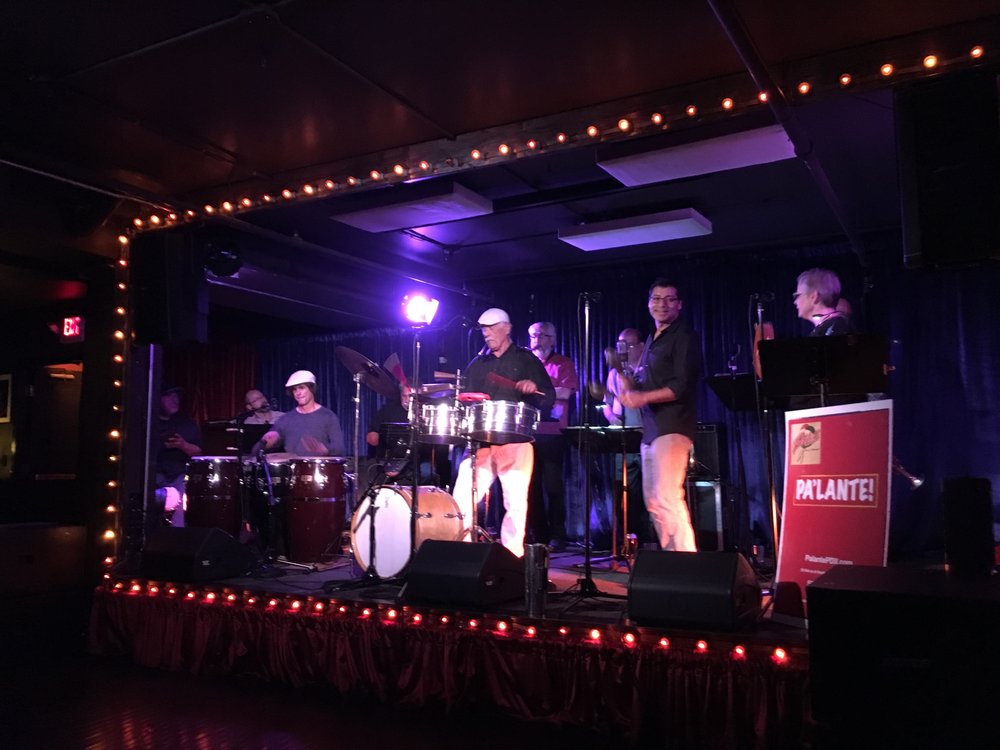
The Milwaukie Farmers Market runs every Sunday from May through October. Milwaukie Porchfest turns residential front porches into summer stages for local musicians — a genuinely charming event that tells you a lot about the city's temperament. First Fridays bring monthly downtown block parties through the warmer months, with food vendors, local artists, and extended business hours.
Winter has its own traditions. Residents gather at Milwaukie Bay Park around bonfires to watch the illuminated Christmas Ship Parade pass on the Willamette. The Umbrella Parade and Tree Lighting invites residents to decorate umbrellas for a procession through downtown before the municipal tree lighting — an event that would be hard to invent and only exists because people here keep showing up for it.
The city also hosts an annual Pride Celebration and Milwaukie Fest, both held in downtown public spaces.
We're Amy Walsh-Droukas and Ben Droukas, a husband-and-wife team of Principal Brokers working throughout the Portland Metro area, including Milwaukie and greater Clackamas County. Amy has been advising buyers and sellers since 2015 and currently serves as President-Elect of the Portland Metropolitan Association of REALTORS®; Ben has been in real estate since 2004, with a background spanning investment property, new construction, and homebuilding. When you work with us, you get two experienced brokers on your transaction — not a handoff to an assistant.
Milwaukie rewards that kind of attention. The housing stock spans a century, the neighborhood lines don't match the school lines, and the difference between a smart buy and an expensive lesson often comes down to details you can't see from the listing photos. Our job is to give you the information and advice we'd want if it were our own money on the line — including, sometimes, telling you not to buy the house.
If you're considering Milwaukie, whether you're relocating to the Pacific Northwest, moving out from Portland proper, or looking at investment property near the Orange Line, we'd welcome the conversation. Reach out to The Place Portland Team to talk through neighborhoods, pricing, and what's realistic for your timeline. We're also proud to be designated Homes for Heroes® agents, returning a portion of our commission at closing to the service members, first responders, healthcare workers, teachers, and veterans who make our communities stronger.
There's plenty to do around Milwaukie, including shopping, dining, nightlife, parks, and more. Data provided by Walk Score and Yelp.
Explore popular things to do in the area, including Nancys Meats, Krispy Krunchy Chicken, and Eric's Market.
| Name | Category | Distance | Reviews |
Ratings by
Yelp
|
|---|---|---|---|---|
| Dining | 0.5 miles | 0 reviews | 0/5 stars | |
| Dining | 0.8 miles | 0 reviews | 0/5 stars | |
| Dining | 0.8 miles | 5 reviews | 3.8/5 stars | |
| Dining · $$ | 0.96 miles | 104 reviews | 4.5/5 stars | |
| Dining · $$ | 0.99 miles | 215 reviews | 4.9/5 stars | |
| Active | 0.29 miles | 1 review | 5/5 stars | |
| Active | 0.96 miles | 2 reviews | 5/5 stars | |
| Nightlife | 1.03 miles | 78 reviews | 3.8/5 stars | |
| Nightlife | 1.07 miles | 0 reviews | 0/5 stars | |
| Beauty | 0.19 miles | 4 reviews | 3.3/5 stars | |
| Beauty | 0.25 miles | 0 reviews | 0/5 stars | |
| Beauty | 0.38 miles | 0 reviews | 0/5 stars | |
| Beauty | 0.82 miles | 4 reviews | 5/5 stars | |
| Beauty | 0.89 miles | 11 reviews | 4.7/5 stars | |
| Beauty | 1.45 miles | 0 reviews | 0/5 stars | |
|
|
||||
|
|
||||
|
|
||||
|
|
||||
|
|
||||
|
|
Milwaukie has 9,488 households, with an average household size of 2.2. Data provided by the U.S. Census Bureau. Here’s what the people living in Milwaukie do for work — and how long it takes them to get there. Data provided by the U.S. Census Bureau. 21,256 people call Milwaukie home. The population density is 4,267 and the largest age group is Data provided by the U.S. Census Bureau.
Total Population
Population Density Population Density This is the number of people per square mile in a neighborhood.
Median Age
Men vs Women
Population by Age Group
0-9 Years
10-17 Years
18-24 Years
25-64 Years
65-74 Years
75+ Years
Education Level
Total Households
Average Household Size
Average individual Income
Households with Children
With Children:
Without Children:
Marital Status
Blue vs White Collar Workers
Blue Collar:
White Collar:
This online estimate provides a quick overview. A personalized evaluation from a licensed agent will give you the most accurate picture of your home’s market value.
We need more information to provide an accurate estimate for this address. Local expert will reach out shortly or you can schedule a consultation now.
Property Address
Address
Read our latest blog articles on white-gloved client service, ingenious marketing strategies, scrupulous business practices and record-breaking sales deals.