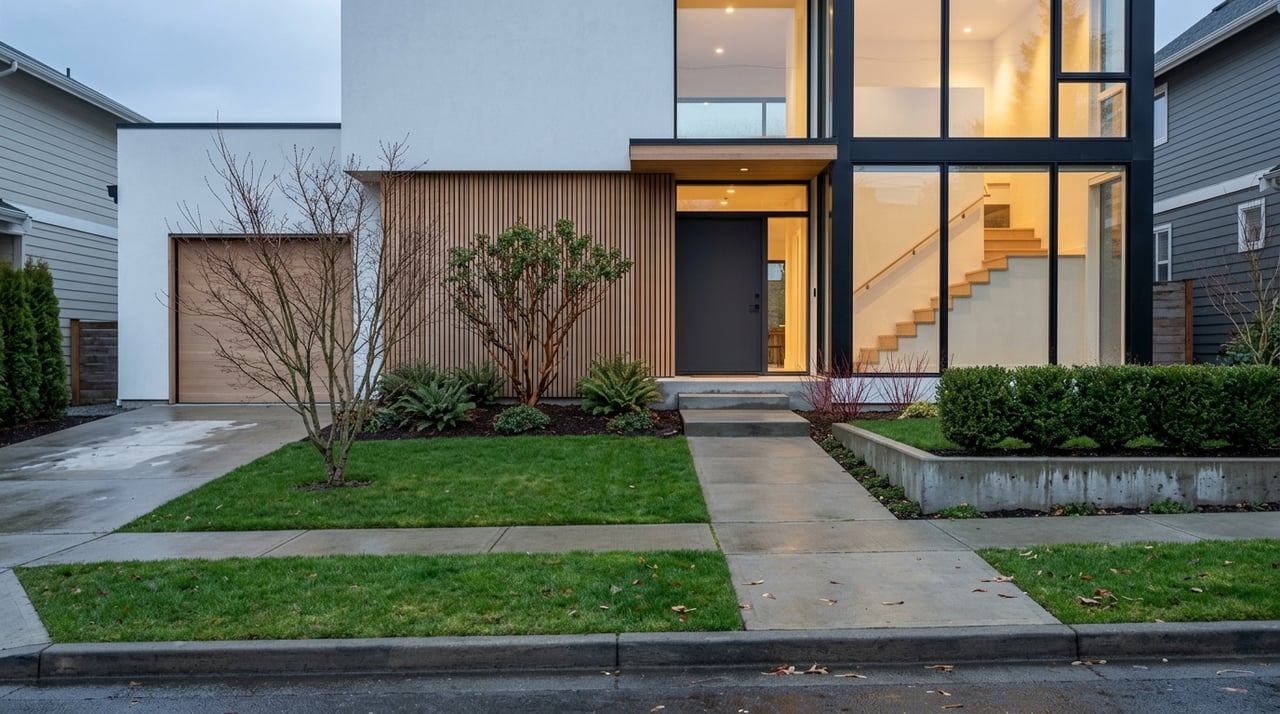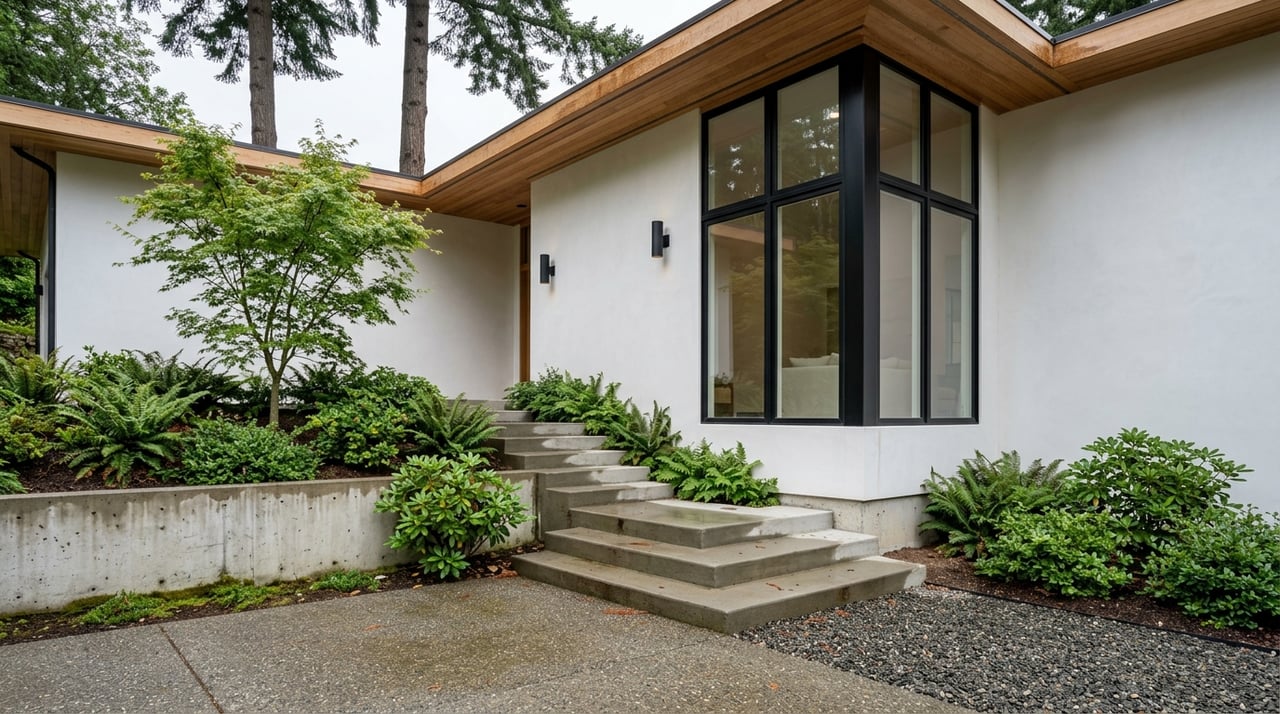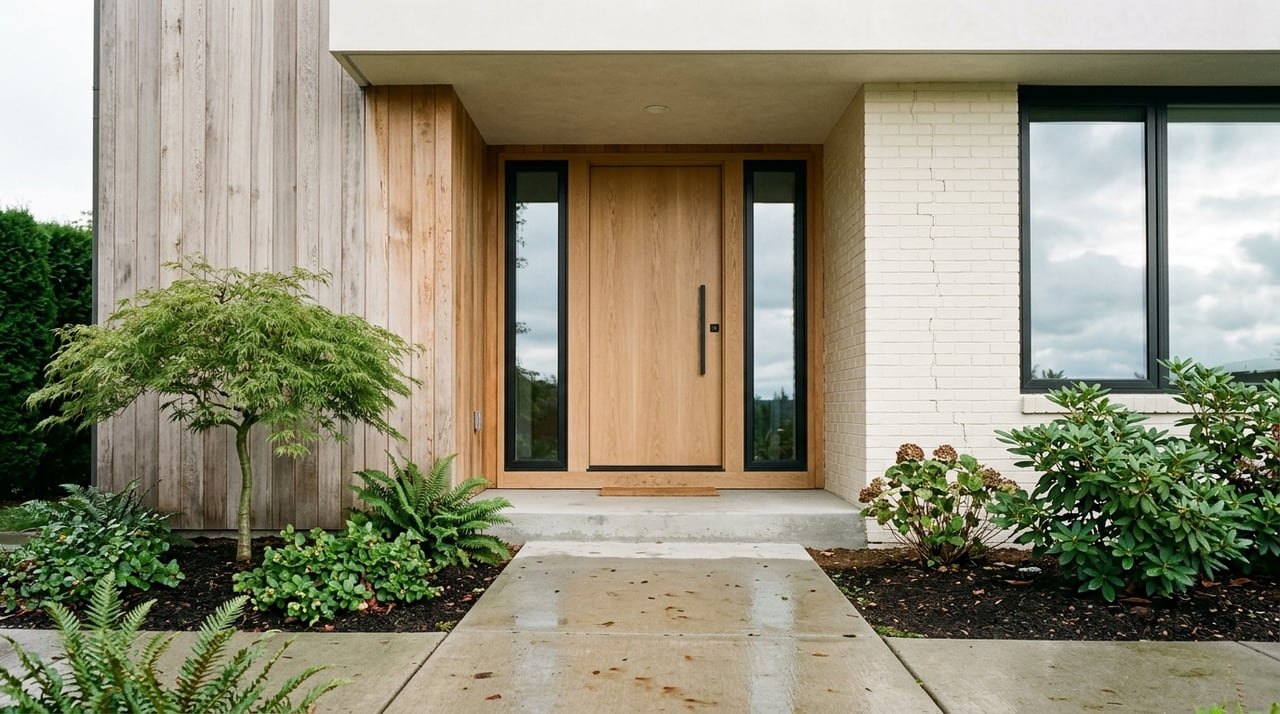
Trying to decide between a newer home and an older one in Hillsboro? You are not alone. This is one of the most common questions buyers ask because the right choice often depends less on age and more on how you want to live, what upkeep you can handle, and how you want your monthly costs to feel over time. In this guide, you will learn how Hillsboro’s housing mix shapes your options, what newer and older homes often offer, and how to make a smart decision based on your real priorities. Let’s dive in.
Hillsboro offers both options
Hillsboro is not a one-style housing market. The city estimated 43,040 housing units in 2022, with a mix of single-detached homes, attached homes, and larger multifamily buildings. That variety gives you real choices if you are deciding between a newer planned community and an older established area.
A lot of Hillsboro homes were built in the 1990s and 2000s, while a smaller share of owner-occupied and renter-occupied homes were built in the last decade. The city also notes that housing age is often the best available stand-in for condition when there is no full property-by-property survey. In plain terms, age matters, but it never tells the whole story.
For budget context, the Census estimates Hillsboro’s median owner-occupied home value at $521,100. Median monthly owner costs with a mortgage are estimated at $2,227, and median gross rent is $1,978. Those are citywide baselines, so your actual price range will still depend on the home, lot, condition, and location within Hillsboro.
What newer homes often offer
In Hillsboro, newer homes are often found in more intentionally planned areas. These communities tend to combine housing with trails, parks, mixed-use spaces, and transportation access. If you want a home that feels more move-in ready and part of a coordinated neighborhood plan, this can be appealing.
Orenco Station is one clear example. The city describes it as a pedestrian-friendly mixed-use district planned in the 1990s, with townhomes, detached homes, apartments, commercial areas, and MAX access. The neighborhood layout reflects a more modern planning style, where daily convenience and a connected street feel are part of the design.
South Hillsboro is another major example of newer development. The city says this 1,400-acre planning area is designed for about 8,000 homes and includes more than 285 acres of parks and open space, around 15 miles of trails, and two mixed-use centers. It is also designed so residents live within a quarter mile of a park, trail, or recreation facility.
Common benefits of newer homes
Newer homes often appeal to buyers who want:
- More current floor plans
- Newer systems and materials
- A more predictable maintenance outlook
- Access to parks, trails, and planned community features
- A neighborhood layout designed around walking, biking, or transit
That said, newer does not always mean simpler in every way.
HOA tradeoffs matter
Many newer Hillsboro communities use homeowners associations or master associations to manage shared spaces and neighborhood standards. In Orenco Station, for example, the owners association describes a planned unit development with detached homes, condos, townhomes, and rowhomes, along with a master association and sub-associations.
In some newer communities, HOA dues may cover items like common-area landscaping, roads, trails, parks, or even front yard maintenance. Reed’s Crossing notes that these details can vary by subdivision, which is an important reminder to verify exactly what dues cover before you buy. A lower-maintenance lifestyle can be a real benefit, but it comes with rules, fees, and shared decision-making.
What older homes often offer
Older Hillsboro neighborhoods usually attract buyers who want a more established setting, a traditional street grid, or a home with more variation in style and lot shape. These areas can feel less uniform because homes may have been built over a wider span of time and updated differently from one property to the next.
The city describes downtown as the historic heart of Hillsboro, with surrounding established areas including Garden Tracts, Heart of Hillsboro, Birchwood, and Main Street. Many streets in these historic neighborhoods have sidewalks and street trees, though the city also notes that some areas still have sidewalk gaps. That block-by-block variation is worth noticing when you tour.
Older neighborhoods can also place you closer to long-standing civic and cultural amenities. The city says downtown Hillsboro supports housing, employment, entertainment, arts, and culture, and is home to places like the Walters Cultural Arts Center and Bag&Baggage, along with weekly summer farmers markets.
Common benefits of older homes
Older homes often appeal to buyers who want:
- A more established neighborhood feel
- More variation in architecture and lot layout
- A central location or traditional street pattern
- Potential updates that improve value over time
- Proximity to downtown amenities and older civic areas
Still, older homes come with their own questions.
Condition can vary more
The city’s housing analysis notes that older homes may show more variation in condition than newer construction. Some have been carefully renovated over time, while others may still have aging roofs, windows, systems, or site issues. Lower-value ownership homes may also reflect older or smaller homes, or homes on smaller or irregular lots.
It is also helpful to think beyond the house itself. The city says some downtown streets are more than 100 years old, and roads are rebuilt when maintenance can no longer keep up. That means older neighborhoods may involve aging public infrastructure in addition to older housing stock.
Compare maintenance the right way
One of the biggest mistakes buyers make is asking only, "Is new better than old?" A better question is, "How much maintenance do I want to manage myself?"
In Hillsboro, the real comparison is often shared maintenance versus owner-managed maintenance. Newer planned communities more often shift part of the upkeep into HOA or master association systems. Older homes more often leave the full list of responsibilities with you, and those responsibilities can vary more from property to property.
If you are comparing two homes, ask yourself:
- Do you want front yard or common-area upkeep handled through dues?
- Are you comfortable budgeting for repairs as they come up?
- Would you rather have a more managed neighborhood environment?
- Do you mind rules about exterior appearance or shared spaces?
Your answers may point you toward one side of the market pretty quickly.
Energy efficiency deserves a closer look
It is easy to assume newer homes are always more energy efficient, but the smartest approach is to compare actual data. Oregon’s current residential energy code became mandatory on April 1, 2024, and covers things like insulation, windows, lighting, and equipment. That means many newer homes may start closer to current standards.
But older homes should not be dismissed automatically. Hillsboro requires sellers of covered homes to obtain and disclose a Home Energy Score and Report before listing. That report looks at the home’s structure, heating and cooling systems, insulation, air leaks, windows and doors, and lighting, then assigns a score from 1 to 10, estimates annual energy costs, and lists priority improvements.
What to compare on energy use
When you are deciding between a newer and older Hillsboro home, compare:
- The Home Energy Score
- Documented upgrades
- Window and insulation updates
- Heating and cooling system age
- Any available utility-cost information
This gives you a more accurate picture than age alone.
Walkability depends on the area
If daily convenience matters to you, pay attention to how each part of Hillsboro is designed. Orenco Station is specifically described by the city as pedestrian-friendly and transit-oriented. South Hillsboro is designed around walking, biking, and transit, with parks and trails integrated into the community plan.
Downtown Hillsboro also supports walking, biking, transit, and vehicle access, but older neighborhoods can vary more from one block to the next. Some streets have sidewalks and mature street trees, while others may have gaps or older infrastructure. The best approach is to visit at different times of day and test the routes you would actually use.
How to choose in Hillsboro
If you feel stuck between newer and older homes, simplify the decision. The clearest framework is to rank your priorities in this order: commute and transit, yard and layout, maintenance tolerance, HOA tolerance, energy costs, and neighborhood character.
Here is how that can play out in real life:
Choose a newer home if you want
- A more planned neighborhood environment
- Better alignment with current energy standards
- Shared maintenance systems through an HOA
- Access to parks, trails, or mixed-use centers built into the area
- A home that may need fewer immediate updates
Choose an older home if you want
- A central or established location
- More variation in home style and lot shape
- A traditional street grid or historic setting
- The chance to buy a home that has already been updated over time
- More flexibility outside of a heavily managed community structure
A smart final step before you decide
Once you narrow your options, compare homes in person with the same checklist each time. Look at layout, lot use, street feel, maintenance demands, energy information, and how the area supports your weekly routine. That keeps the decision grounded in your real life instead of general assumptions about age.
In Hillsboro, newer and older homes can both be great choices. The best one is the home that matches your budget, your comfort with upkeep, and the way you want to live day to day.
If you want help comparing specific neighborhoods or weighing tradeoffs between newer and older homes in Hillsboro, schedule a strategy session with The Portera Group.
FAQs
Should you buy a newer or older home in Hillsboro?
- The better choice depends on your priorities, especially commute, layout, maintenance tolerance, HOA comfort, energy costs, and neighborhood character.
Are newer homes in Hillsboro more energy efficient?
- Newer homes may align more closely with current Oregon energy standards, but older homes can still compare well if they have strong Home Energy Scores and documented upgrades.
Do older Hillsboro neighborhoods have good walkability?
- Some do, especially near downtown and other established areas, but walkability can vary by block because some older areas have sidewalk gaps or older infrastructure.
Do newer Hillsboro communities usually have HOAs?
- Many newer planned communities do use HOAs or master associations, and the dues and maintenance coverage can vary by neighborhood and subdivision.
What should you compare besides home age in Hillsboro?
- Focus on maintenance responsibilities, Home Energy Score, documented updates, lot and layout, transportation access, and the overall feel of the surrounding area.