Looking for a suburb that feels connected, convenient, and still close to nature? Happy Valley stands out for exactly that reason. If you are comparing Portland-area communities, this city offers a blend of everyday practicality and scenic outdoor access that can make daily life feel a little easier and a little more enjoyable. Let’s dive in.
Why Happy Valley Feels So Livable
Happy Valley sits in Clackamas County, southeast of Portland, and the city is less than 15 miles from downtown Portland. It is also about 12 miles from Portland International Airport and near I-205 and Highway 26. That location helps explain why many buyers see it as a commuter-friendly suburb rather than a far-out destination.
The city had an estimated population of 28,969 in 2024, and 78.9% of homes are owner-occupied. Median household income is $122,151, median owner-occupied home value is $725,300, and average commute time is 27.4 minutes. Those numbers point to a market shaped by long-term homeownership, suburban living, and regional access.
Happy Valley also feels intentional in how it has grown. City planning materials show a focus on preserving steep slopes, open space, and residential character, while guiding commercial and higher-density uses toward major roads and transit corridors. In everyday terms, that means many parts of the city feel structured, residential, and organized.
Parks Are Part of Daily Life
In Happy Valley, parks are not just nice extras. They are a real part of how people spend time outdoors, get around, and enjoy the area. The city’s parks levy helps maintain more than 100 acres of neighborhood parks, trails, and natural areas, and the 2021 parks master plan inventory listed 20.6 miles of existing public-access trails.
That amount of outdoor access matters when you are thinking about day-to-day living. It means a walk, a play break, or a quick scenic outing can be part of your normal routine instead of a special trip across town. For many buyers, that is a meaningful quality-of-life factor.
Happy Valley Park for Everyday Use
Happy Valley Park is the city’s clearest all-purpose gathering place. The city describes it as a 24-acre wetland park with a boardwalk, paved loop trail, splash pad, play areas, courts, fenced dog runs, and an All Abilities Park.
If you are picturing practical daily use, this is the kind of place that supports it. You can imagine morning walks, after-work outings, casual meetups, or a simple weekend stop without much planning. It functions more like an everyday extension of the neighborhood than a once-in-a-while destination.
Nature Parks for Quiet Time and Views
If you want a quieter outdoor setting, Happy Valley has several options nearby. Hidden Falls Nature Park includes a 0.84-mile paved multi-use trail, which can be a good fit for a shorter walk or an easy outdoor break.
Mount Talbert Nature Park offers a different experience, with roughly 220 acres and a four-mile trail network. For people who want a little more room to move, this adds a more natural, tucked-away feel while still staying close to home.
Scouters Mountain Nature Park is especially notable for its views. The park sits on a hilltop and offers Mount Hood views along with a broader valley outlook. If scenery is part of what draws you to a neighborhood, this is one of the places that helps define Happy Valley’s appeal.
Trails Built Into Routine
One of the more interesting details about Happy Valley is how the city presents local hiking and walking access. It publishes hike maps that begin at places like City Hall, the library, grocery stores, and park access points.
That may sound small, but it says a lot about how outdoor access is woven into daily life. In Happy Valley, trails are not treated as remote recreation only. They are positioned as part of ordinary routines, errands, and neighborhood movement.
Shopping and Errands Are Convenient
Outdoor access is only part of the story. Happy Valley also works well for the practical side of life, including shopping, dining, and basic errands. That balance is a big reason the area attracts buyers who want suburban space without giving up convenience.
Clackamas Town Center is the main regional retail anchor tied to daily life in and around Happy Valley. Its official site highlights a wide range of stores, restaurants, and an on-site 20-screen Century Theatres. For many residents, that means major shopping and entertainment options are nearby.
At the same time, the city is not built around one retail destination alone. Planning documents show that Happy Valley expects day-to-day shopping to happen in smaller neighborhood commercial nodes as well. Community commercial centers are intended to serve nearby residents, while mixed commercial districts are designed to meet neighborhood shopping and service needs in a more pedestrian-oriented format.
A Mix of Regional and Local Convenience
This combination gives Happy Valley a practical lifestyle rhythm. You have access to larger regional retail when you need it, but the city’s land-use structure also supports smaller, local service areas for daily errands.
For buyers, that can translate to less driving for basic needs and a more balanced suburban experience. It also helps explain why the area feels established in some places and still actively evolving in others.
Future Growth Around Main Street
Happy Valley’s future Main Street plan is another sign of where the city is headed. Along Scouters Mountain Road on the east side of 172nd Avenue, the city describes this area as a hub for growth, economic opportunity, and community connection.
The plan expects restaurants, retail shops, and professional services to benefit from this new mixed-use core. Current efforts already include 172nd Avenue improvements, land for future downtown development, Main Street planning, and a future regional park. For anyone thinking long term, that points to a city still building out its lifestyle amenities in a deliberate way.
Views and Open Space Shape the Experience
One thing that often stands out in Happy Valley is how the landscape affects the feel of the city. Planning documents emphasize preservation of steep slopes and open space, which helps maintain visual relief and a more natural edge around residential areas.
That approach can make the city feel less flat and less purely built-out than some suburban communities. The views from places like Scouters Mountain reinforce that identity. Even when you are close to shopping and commuter routes, there is still a strong sense that terrain and scenery matter here.
The city is also investing in future outdoor space. Happy Valley has purchased 40 acres for a future community park near Scouters Mountain Road and 172nd Avenue. Paired with downtown and Main Street planning nearby, that suggests future growth is being shaped around both community use and open-air amenities.
What Housing Feels Like in Happy Valley
Happy Valley’s housing story is still mostly suburban, but it is not one-size-fits-all. The market remains anchored by detached homes, especially in lower-density and hillside areas. That is a major part of the city’s identity.
At the same time, the city now allows a broader range of housing types in appropriate districts. These include townhomes, duplexes, triplexes, quadplexes, cottage clusters, and mixed-use residential forms. For buyers comparing options, that means Happy Valley offers more variety than a simple single-family-only suburb.
Many Neighborhoods Include HOAs
Another practical detail is that most residences in Happy Valley are in private developments governed by homeowners associations. Shared amenities, common-area maintenance, and neighborhood rules are a normal part of the ownership experience here.
That structure helps explain why many areas feel orderly and association-managed. If you are considering a move, it is a useful part of the lifestyle picture. HOA expectations may be a positive for some buyers and an important review point for others.
A Consistent Pacific Northwest Style
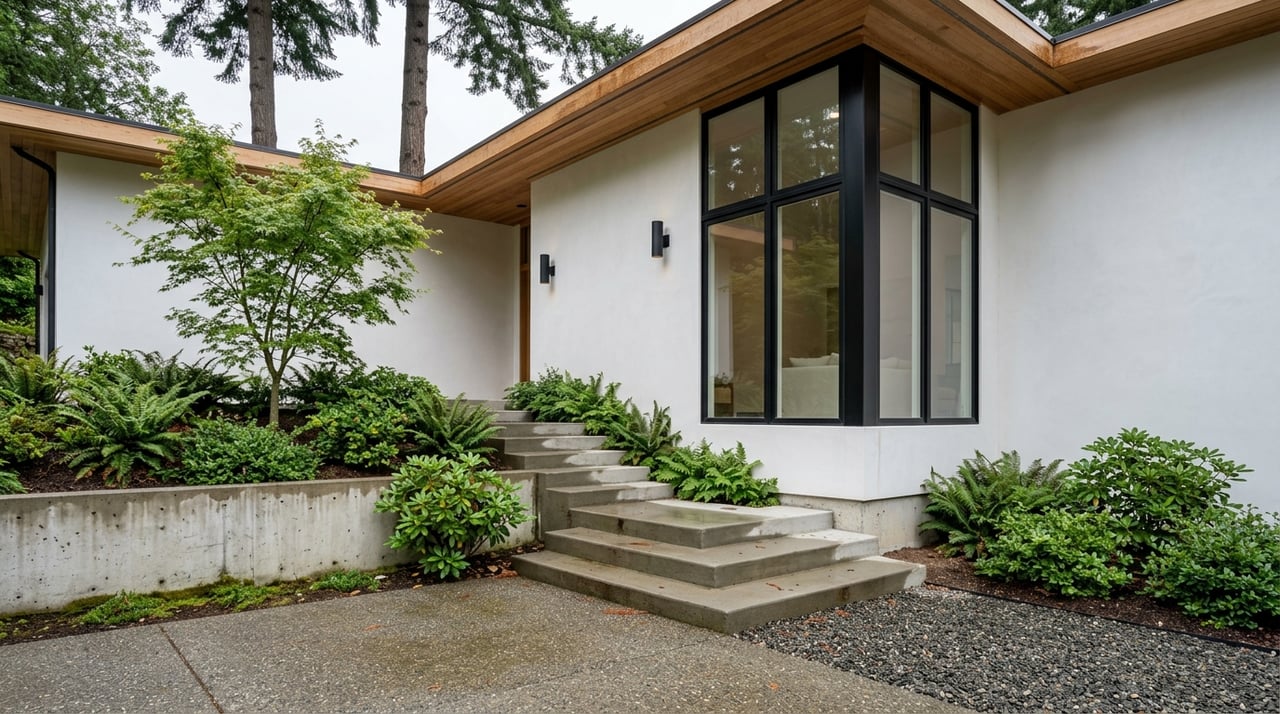
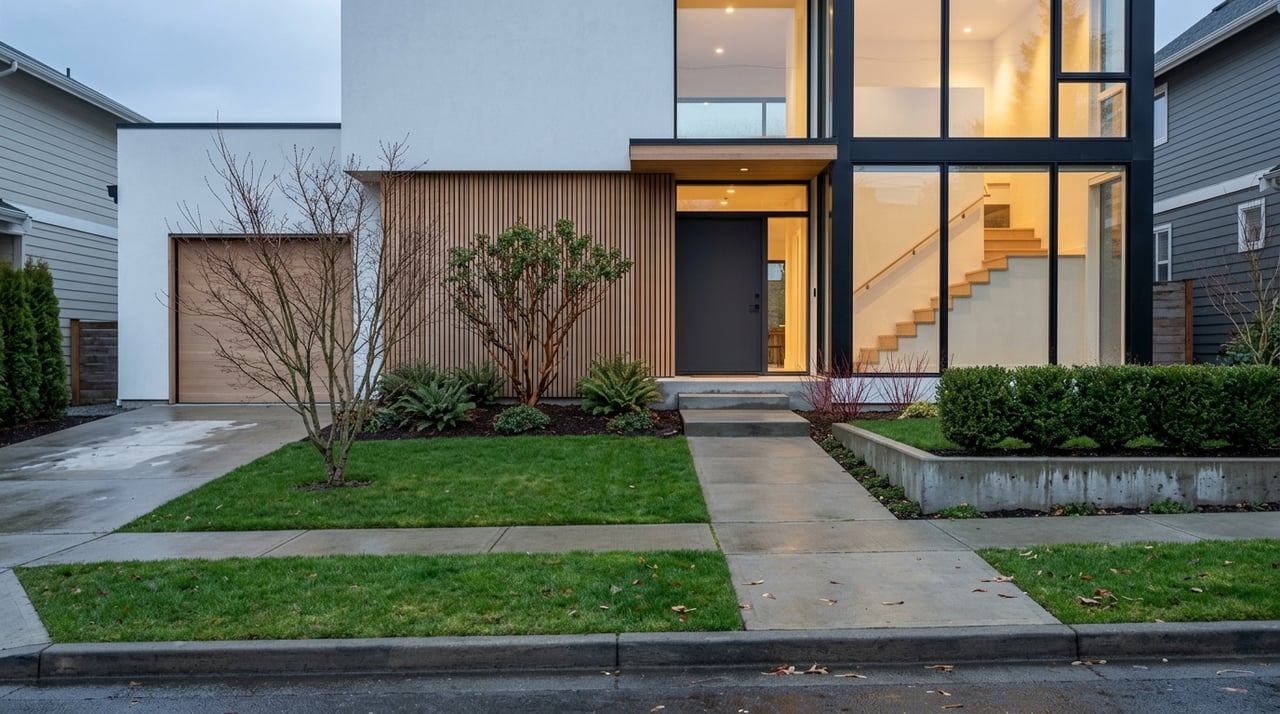
The city also tries to keep new development tied to a local design identity. Planning documents describe the “Happy Valley Style” as a modern Cascadia look inspired by Craftsman, Prairie, and Rustic styles, with standards intended to preserve residential character.
You may notice that this creates a more cohesive visual feel across newer areas. It does not mean every home looks the same, but it does support a sense of consistency in how neighborhoods develop.
Who Happy Valley May Appeal To
If you are relocating within the Portland area, Happy Valley may appeal to you if you want a suburban setting with strong outdoor access and practical retail convenience. It can also make sense if regional connectivity matters, since the city is close to major roadways, downtown Portland, and the airport.
For buyers who value structure, neighborhood planning, and a largely owner-occupied environment, Happy Valley checks many of those boxes. And if you are looking for a place where parks, trails, views, and newer housing options all play a role in everyday life, it is easy to see why this area stays on the shortlist.
The Everyday Takeaway
Happy Valley’s daily-life appeal comes down to a few clear strengths. You get parks and trails that are genuinely usable, shopping access that supports both quick errands and bigger outings, and a housing landscape that remains suburban while gradually broadening.
That does not make it the right fit for everyone, but it does give the city a strong identity. For many Portland-area buyers, Happy Valley offers a useful middle ground between convenience, scenery, and a more residential pace of life.
If you are thinking about buying or selling in Happy Valley, local context makes a big difference. The right block, development style, commute pattern, and park access can all shape how a home feels over time. If you want help narrowing down the right fit or planning your next move, The Portera Group can help you build a smart strategy.
FAQs
What is everyday life like in Happy Valley, Oregon?
- Everyday life in Happy Valley blends suburban housing, convenient shopping access, and strong outdoor amenities, with parks, trails, and neighborhood commercial areas playing a regular role in day-to-day routines.
What parks are popular in Happy Valley, Oregon?
- Happy Valley Park is a major everyday-use park with a splash pad, loop trail, dog runs, courts, and play areas, while Hidden Falls Nature Park, Mount Talbert Nature Park, and Scouters Mountain Nature Park offer additional trail and view options.
What shopping options are near Happy Valley, Oregon?
- Clackamas Town Center is the main regional retail anchor near Happy Valley, and the city also includes smaller neighborhood commercial areas intended to support everyday shopping and services.
What kind of homes are common in Happy Valley, Oregon?
- Detached homes remain the most common housing type in Happy Valley, especially in lower-density areas, but the city also allows townhomes, duplexes, triplexes, quadplexes, cottage clusters, and mixed-use residential forms in appropriate districts.
Do many Happy Valley neighborhoods have homeowners associations?
- Yes. The city states that most residences in Happy Valley are in private developments governed by homeowners associations, so shared maintenance, common amenities, and neighborhood rules are common parts of ownership.
Is Happy Valley, Oregon good for commuters?
- Happy Valley is positioned as a commuter-oriented suburb, with access near I-205 and Highway 26, less than 15 miles from downtown Portland, and about 12 miles from Portland International Airport.